In the early hours of 31 August 1997, Diana, Princess of Wales, died in a Paris hospital after a car crash in the Pont de l’Alma tunnel. She was 36 years old.
The news reached Balmoral in Scotland, where Prince Charles was staying with the Queen and his two sons, William, then 15, and Harry, who was 12. Charles had to tell the boys that their mother had died.
Charles and Diana had divorced a year earlier. But later that day, he decided to fly to Paris himself to bring her body back to Britain.
He was joined by Diana’s two older sisters, Lady Sarah McCorquodale and Lady Jane Fellowes. Lady Jane was married to Sir Robert Fellowes, the Queen’s private secretary at the time, a link that tied the two families closely together.
In Paris, Charles and the sisters went to the hospital where Diana had been taken. They reportedly spent some private time there before the journey home began.
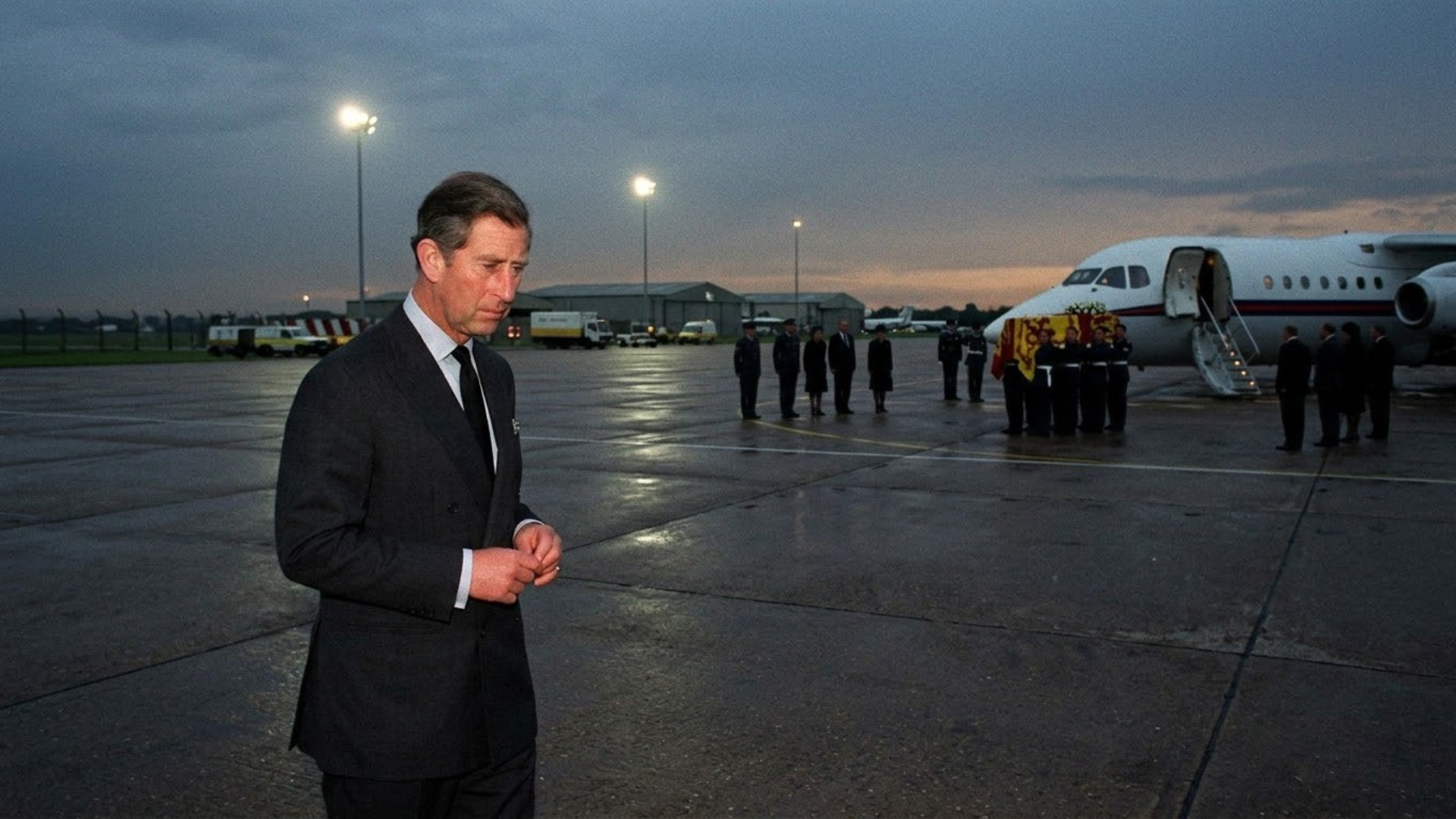
There were reports of disagreement behind the scenes about how Diana’s coffin should be covered. After the divorce, she had lost the title Her Royal Highness, and some officials were said to feel that a royal flag was not appropriate. Charles was reported to have insisted that she be treated with full honour.
In the end, Diana’s coffin was draped in the royal standard, the flag that represents the monarch. For many people, it was a powerful sign that, whatever had happened in her life, she was still part of the royal story.
That evening, the plane landed at RAF Northolt in west London. The Prime Minister, Tony Blair, was among those waiting. RAF bearers carried the coffin slowly from the aircraft while Charles and Diana’s sisters looked on. The images were broadcast live to a shocked nation.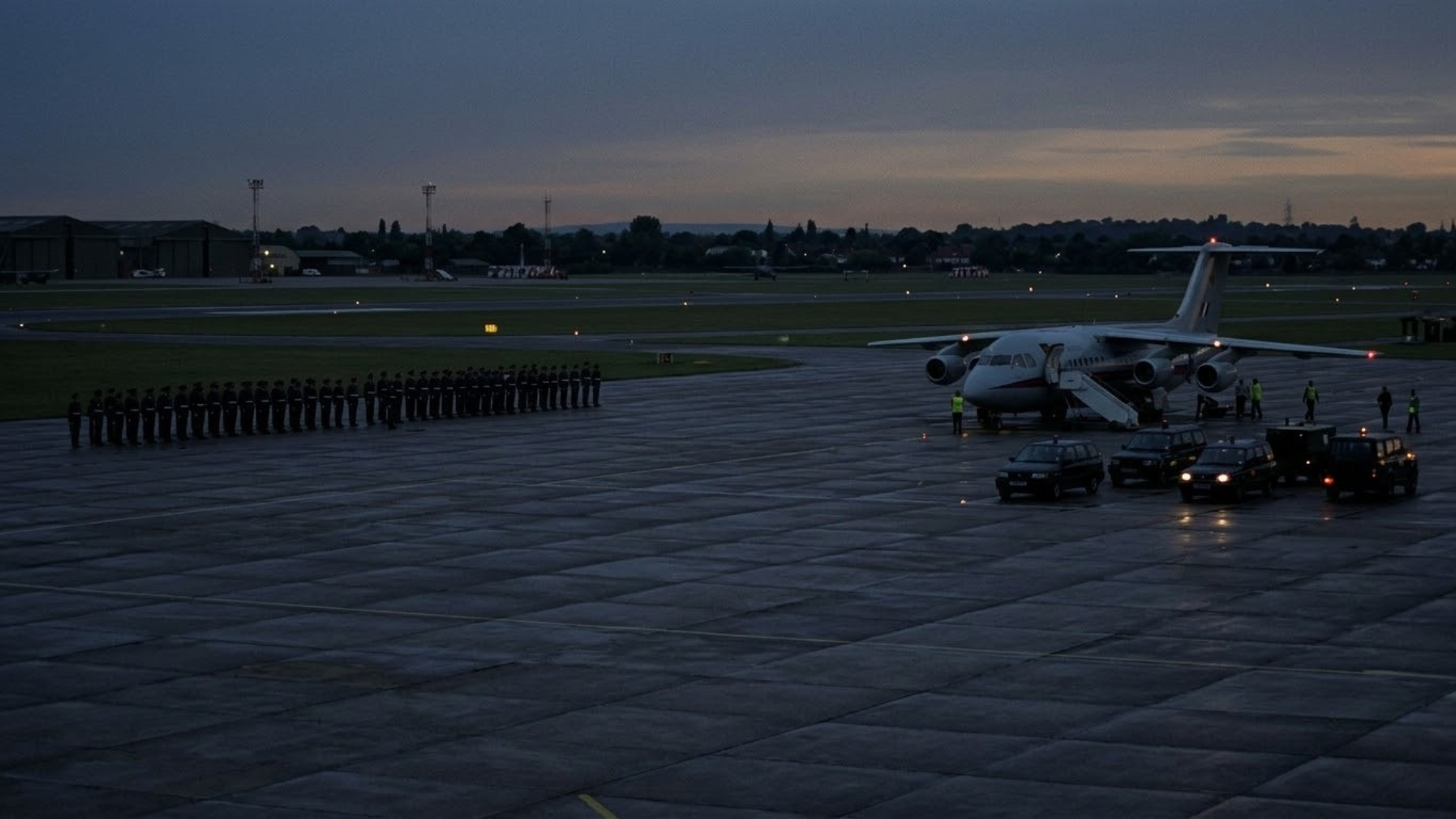
Diana’s coffin was later taken to the Chapel Royal at St James’s Palace, where it remained for several days. On the eve of the funeral, it was moved to Kensington Palace, her home.
Charles’s decision to go to Paris surprised some people, given the bitter end of the marriage. Many saw it as the act of a father thinking of his sons, and a man paying respect to the mother of his children.
It was the first step in a week that changed Britain, and it remains one of the most moving moments of those dark days.