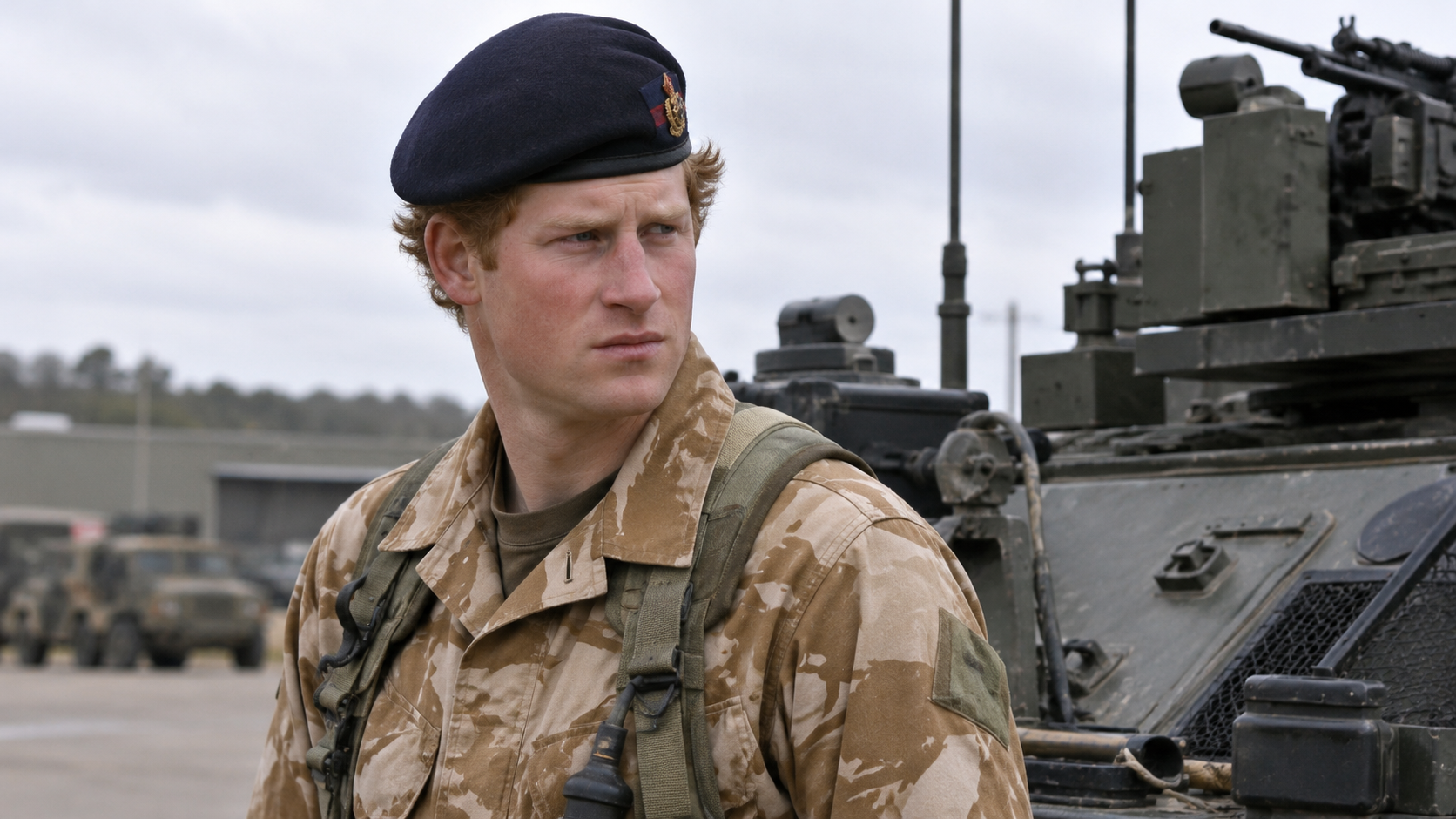
Prince Harry had always said he wanted to be a real soldier. After training at Sandhurst, he joined the Blues and Royals, part of the Household Cavalry, as a young officer in 2006.
He made it clear that he did not want special treatment. If his regiment went to war, he wanted to go with them. He reportedly said he would not want to stay at home while his men were on the front line.
In early 2007, the Ministry of Defence confirmed that Harry would deploy to Iraq with his regiment. He was due to lead a troop of soldiers in light armoured reconnaissance vehicles.
The announcement made headlines around the world. It was a long time since a member of the royal family so close to the throne had been sent to a war zone.
But almost at once, concerns began to grow. There were reports that insurgent groups knew he was coming and wanted to target him.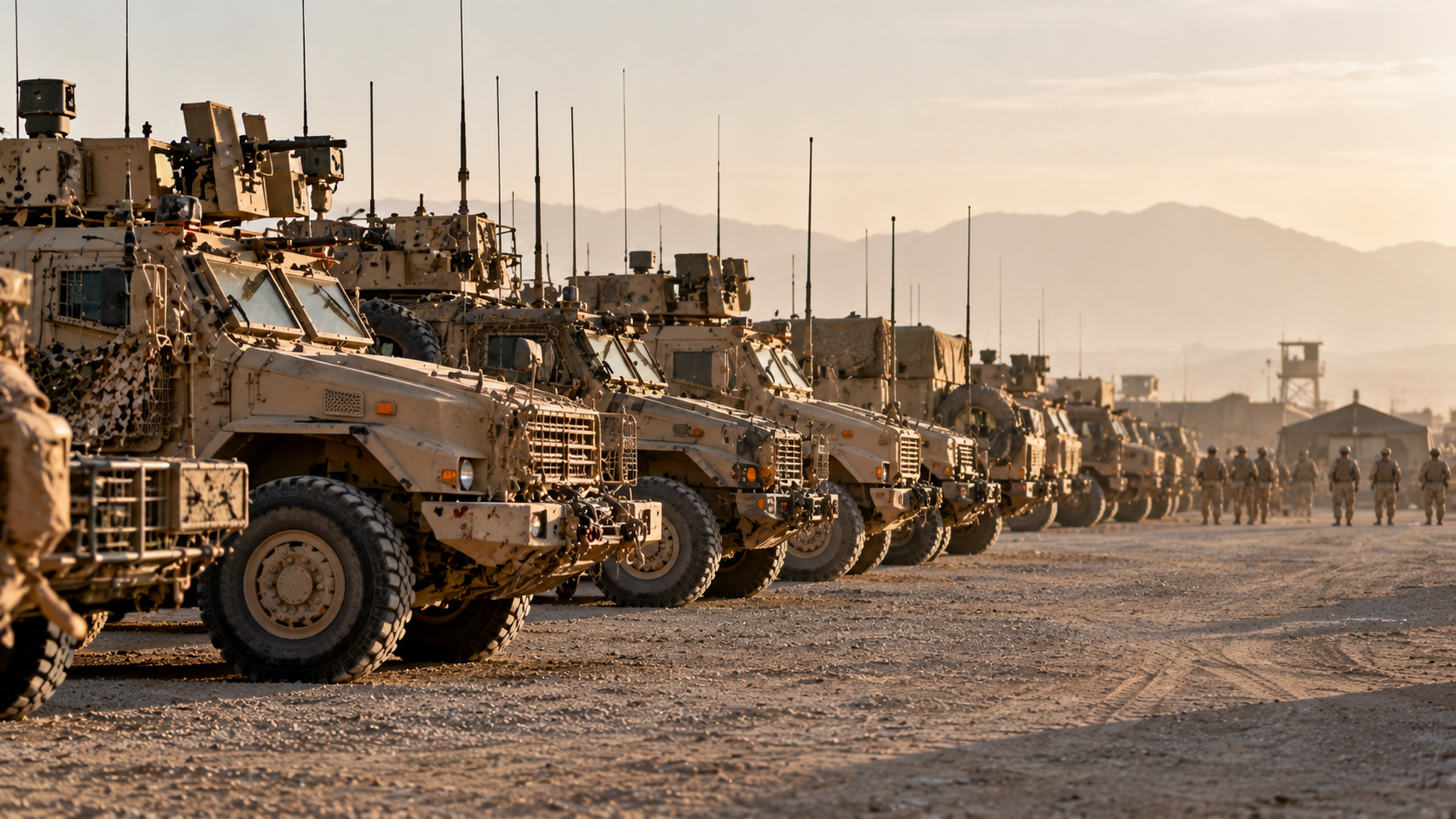
In May 2007, the head of the British Army, General Sir Richard Dannatt, announced his decision. Harry would not deploy to Iraq after all.
General Dannatt explained that there had been specific threats linked to Harry’s presence. He said the risk was not only to the prince but also to the soldiers serving around him, and that this made the deployment unacceptable.
For Harry, it was a crushing blow. A statement said he was very disappointed but accepted the decision. Behind the scenes, he was reportedly devastated and was said to have considered leaving the army altogether.
Many people sympathised with him. Others felt the outcome had been obvious from the start, because the world’s media had already made sure everyone knew where he was going.
In the end, Harry stayed in the army. Later that year, he was secretly sent to Afghanistan, which is a story of its own.
But in 2007, the young prince learned a hard lesson. However much he wanted to be treated like any other soldier, his name made him a target, and that was something no uniform could change.