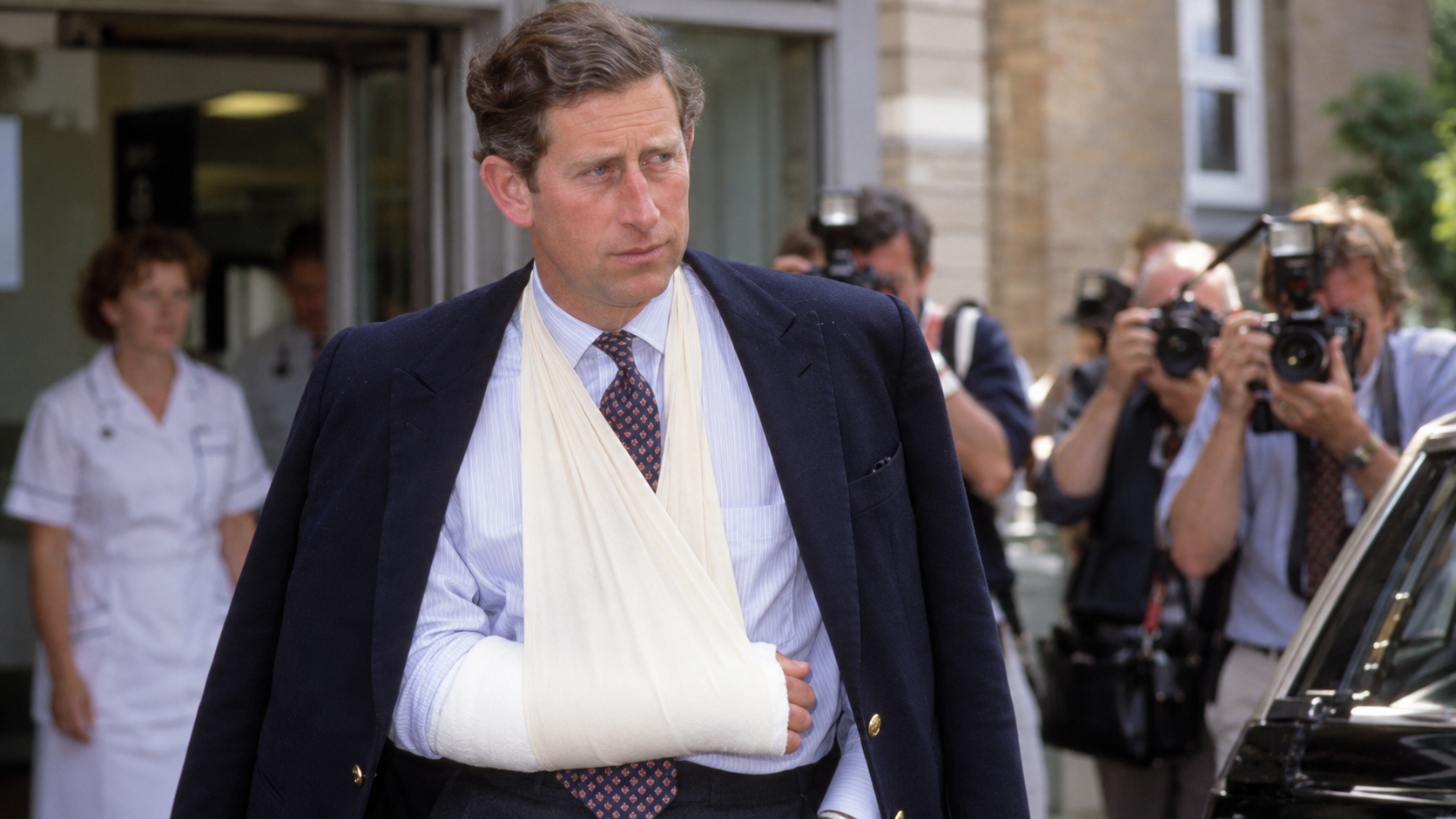
Polo was one of Prince Charles’s great passions. For years, he played the fast and dangerous sport whenever he could, often at Cirencester Park in Gloucestershire, close to his home at Highgrove.
In June 1990, during a match there, he fell heavily from his horse. He badly broke his right arm, and it was clear at once that this was a serious injury.
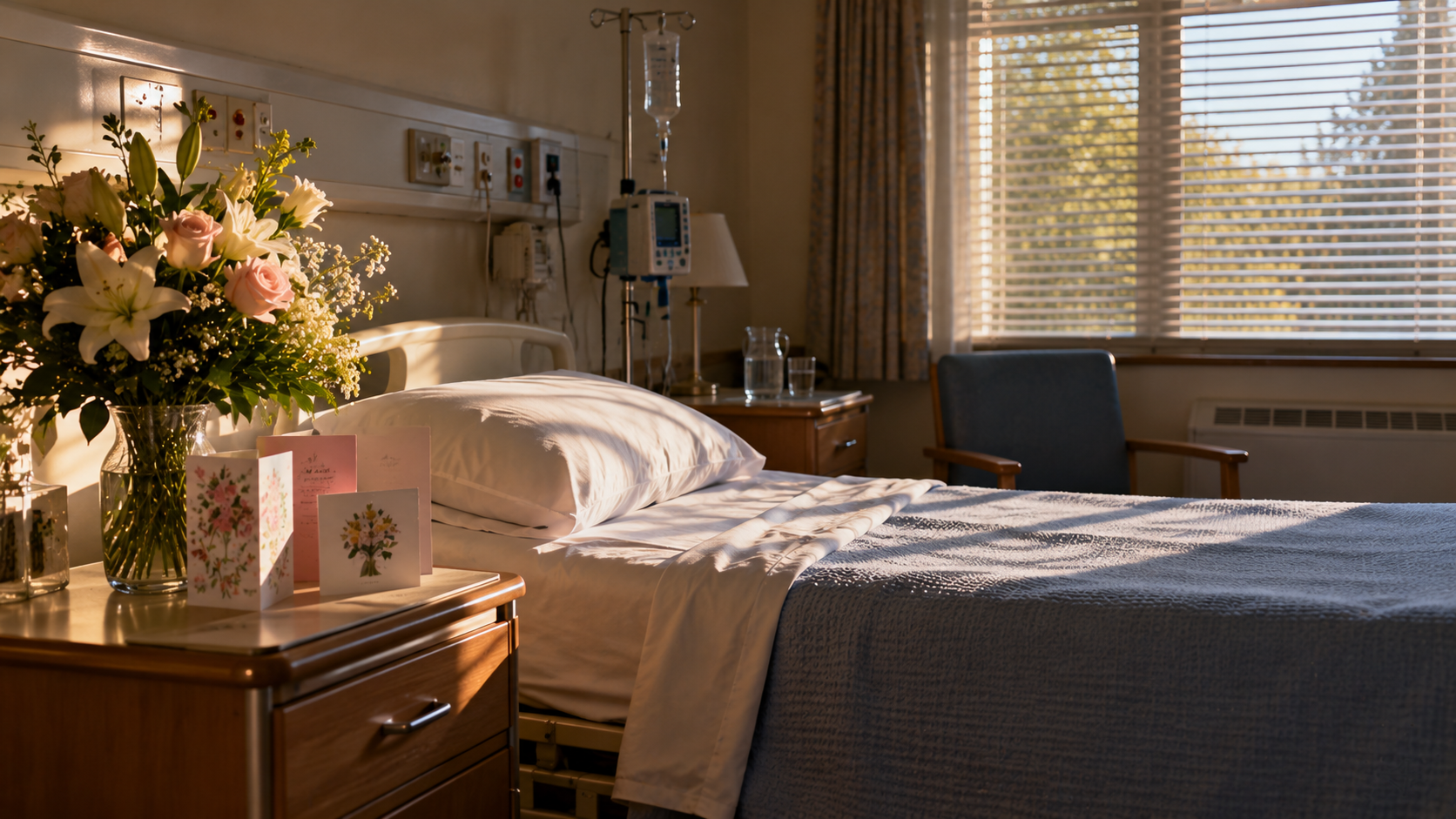
Charles was taken to hospital in Cirencester for an operation. The break did not heal as well as doctors hoped, and later that year he needed further surgery. His recovery took months and was often painful.
Photographers and reporters gathered outside the hospital. They were not only interested in the prince’s health. They also wanted to see who came to visit him.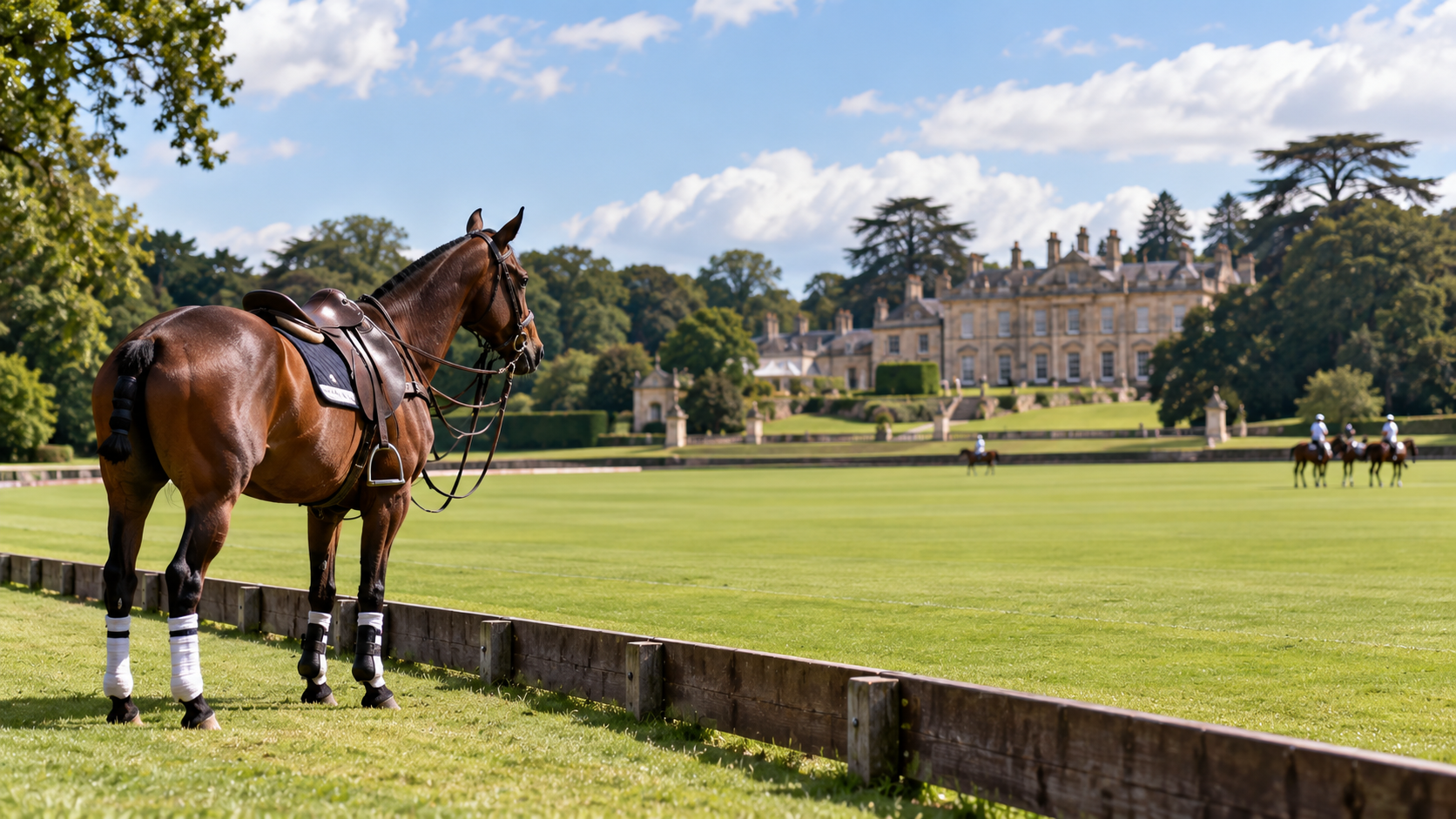
Diana did visit her husband. But some newspapers described her visits as brief and formal. The press noticed how little time she seemed to spend there and how distant the couple appeared.
Then came the reports that caused the biggest stir. According to newspaper stories at the time, and later accounts by royal biographers, Camilla Parker Bowles had also visited Charles while he was recovering.
These claims were never officially confirmed, and the details of who visited and when remain unclear. Neither Charles nor Camilla ever gave a public account of those weeks.
But the reports added to whispers that had been growing for years. Behind the smiling photographs, many suspected that the royal marriage was in serious trouble.
During his long recovery, Charles spent time at Highgrove and in Scotland. Some royal writers later said this period drew him closer to old friends, while he and Diana drifted further apart.
Looking back, the summer of 1990 is often seen as one of the early public clues. Two years later, the full truth about the marriage would begin to spill out in books and headlines.
At the time, it was simply a prince with a broken arm. But the hospital visits, and the reports about them, told a story that many people would only understand later.