Prince Philip, Duke of Edinburgh, died at Windsor Castle on 9 April 2021, two months before his 100th birthday. He and the Queen had been married for 73 years.
Britain was still living under Covid restrictions. The rules meant that funerals could have a maximum of 30 mourners, and people from different households had to keep apart. Philip’s funeral would follow the same rules as everyone else’s.
On 17 April 2021, the service took place at St George’s Chapel, Windsor. Philip’s coffin was carried on a specially adapted Land Rover he had helped design. Members of the royal family walked behind it.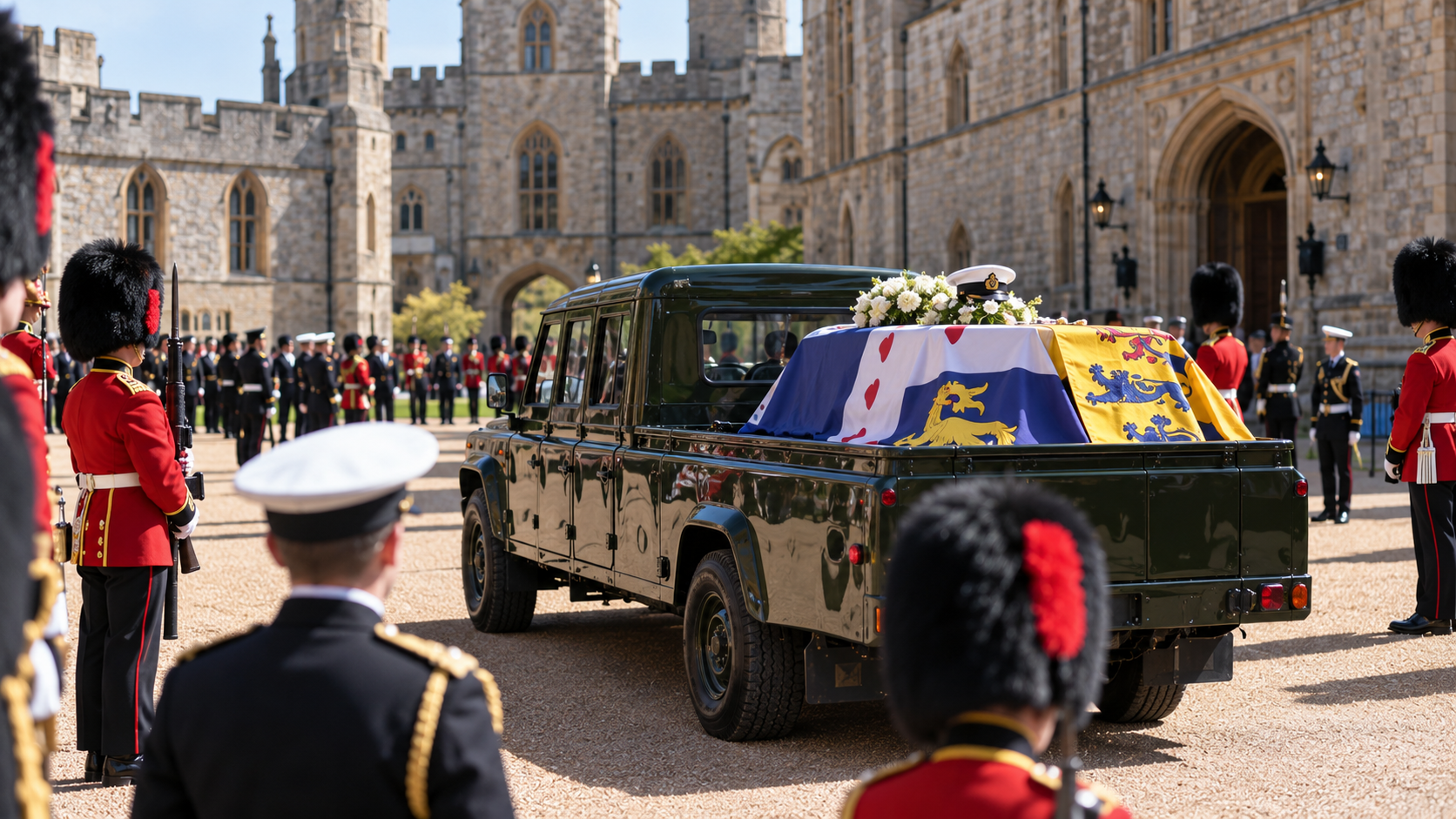
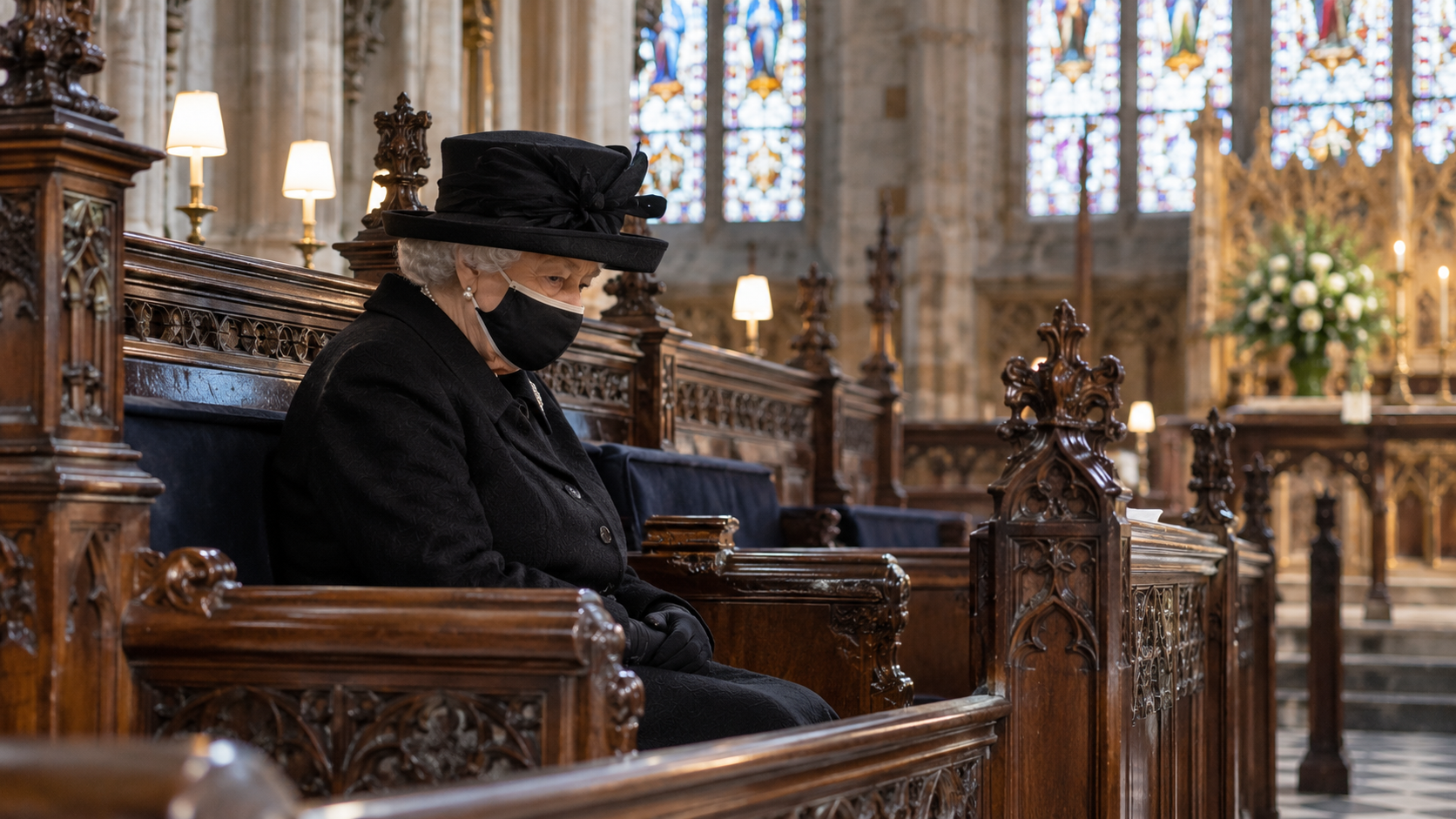
Inside the chapel, the Queen sat alone, dressed in black and wearing a black face mask. The photograph of her, small and isolated in the carved choir stalls, became one of the defining images of the pandemic. Many people saw it as a symbol of the sacrifices families across the country had made.
Nine months later, in January 2022, newspapers revealed that on the evening of 16 April 2021, the night before the funeral, two leaving parties for staff had been held at 10 Downing Street. Reports described drinking and music, with one staff member reportedly sent to a shop with a suitcase to buy wine.
The revelations caused enormous anger. They came as part of a wider scandal, known as Partygate, about gatherings in government buildings during lockdown.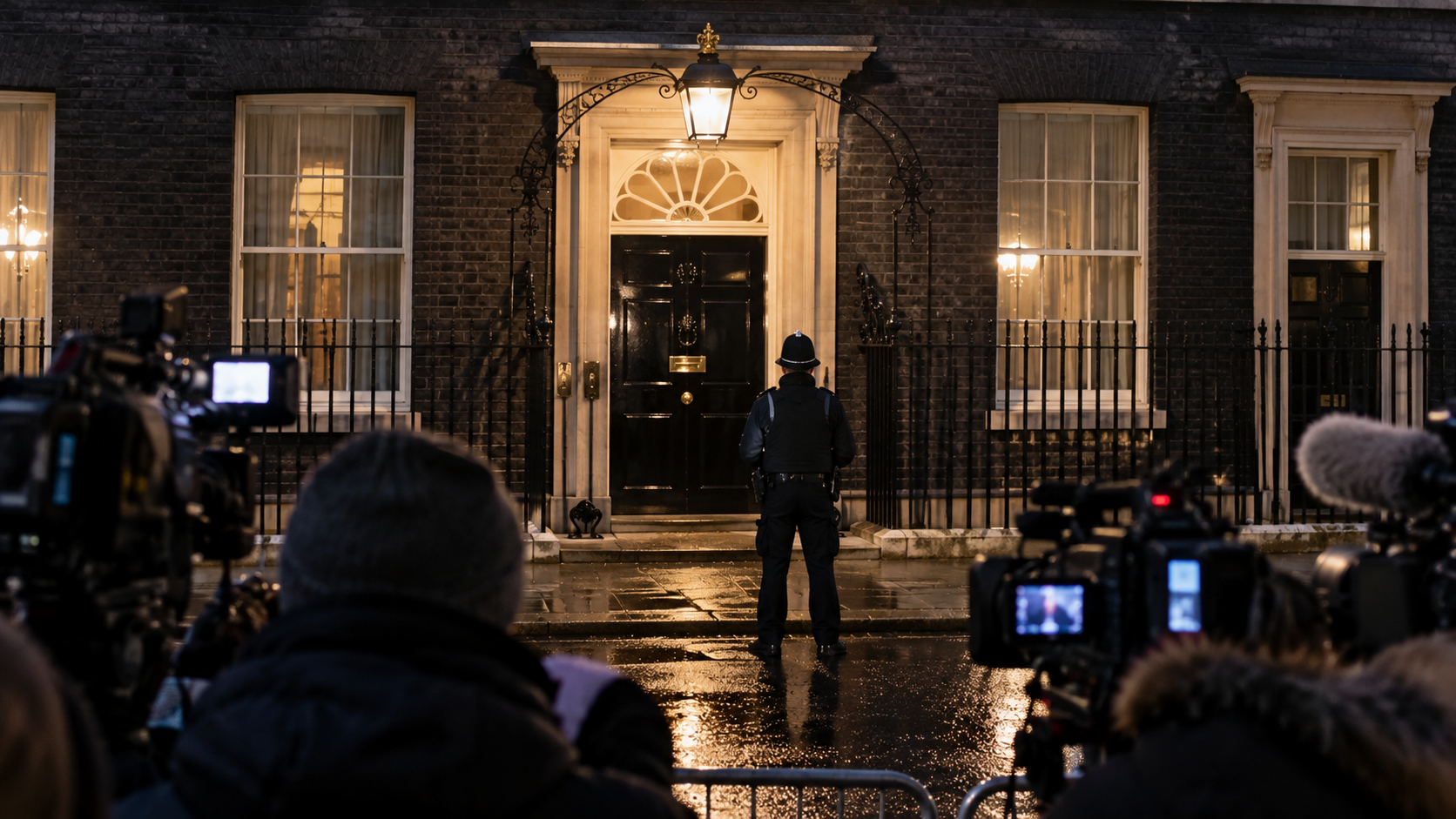
Downing Street apologised to Buckingham Palace, saying it was deeply regrettable that the gatherings had taken place at a time of national mourning. Prime Minister Boris Johnson, who had not attended those two parties, was under intense pressure over the wider scandal and resigned later in 2022.
For many people, the contrast was impossible to forget: a Queen who followed every rule and sat alone at her husband’s funeral, and a party in Downing Street the night before.