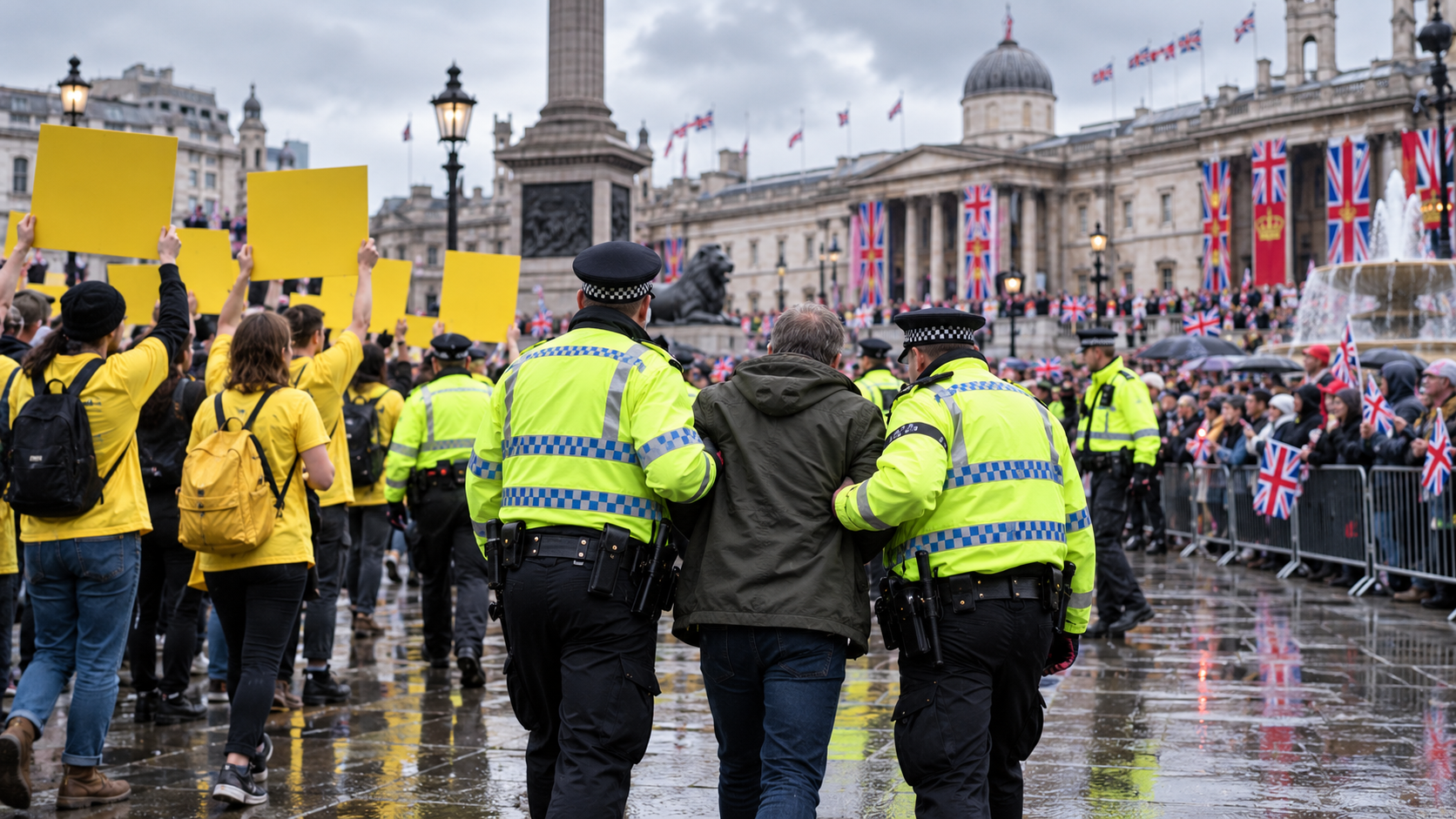
The coronation of King Charles III and Queen Camilla on 6 May 2023 was the first in Britain for seventy years. Hundreds of thousands of people lined the streets of London, and millions more watched on television.
Not everyone was celebrating. Republic, a group that campaigns for the monarchy to be replaced with an elected head of state, planned a peaceful protest near the procession route. Its members would wear yellow and hold signs reading Not My King.
The group said it had been in contact with the Metropolitan Police for months about its plans. But early on coronation morning, before the protest began, police arrested its chief executive, Graham Smith, and several others as they unloaded placards.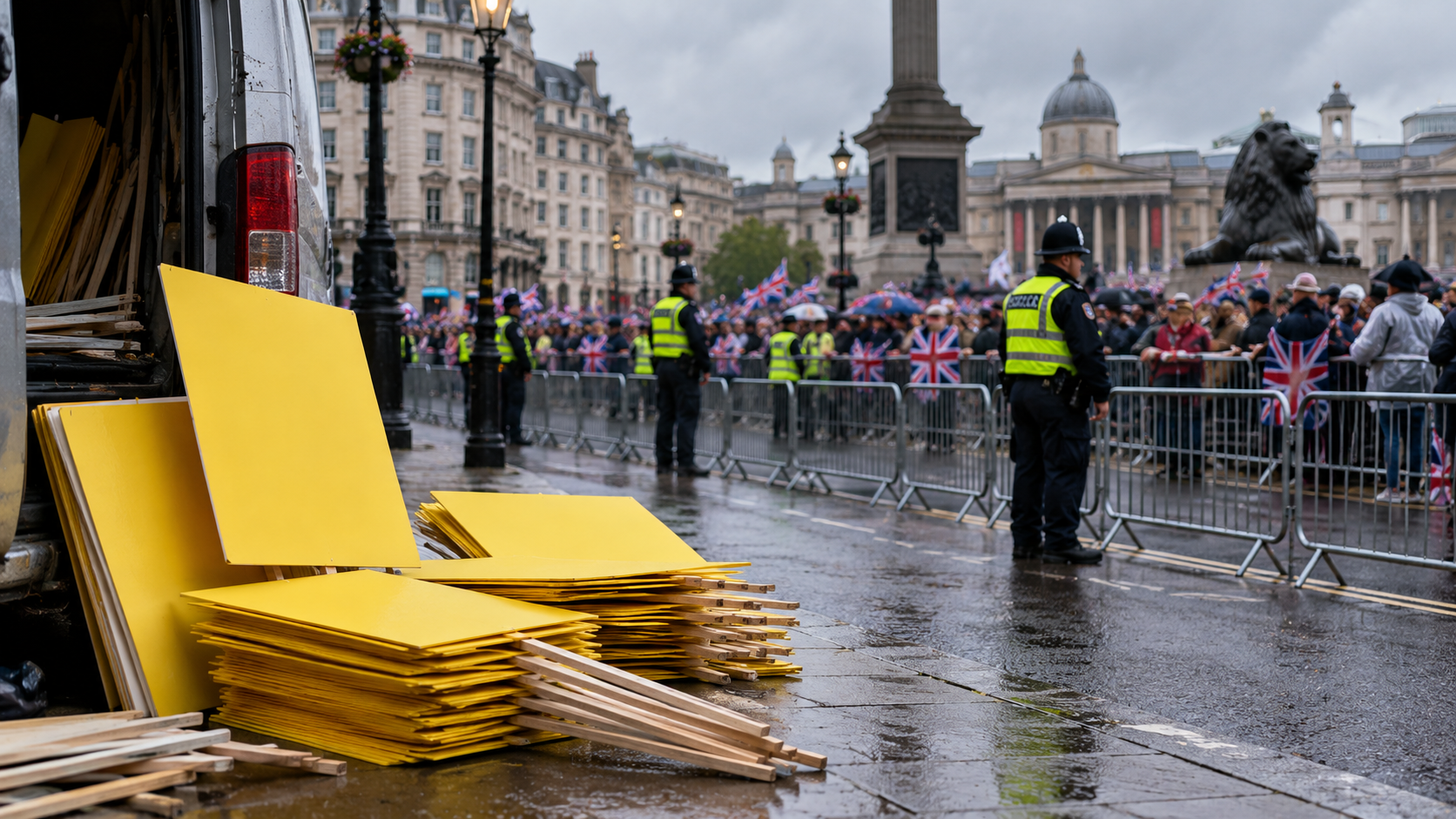
Police said they suspected the group was carrying items that could be used to lock themselves to objects, under new public order laws that had come into force only days earlier. Smith was held for around 16 hours and released without charge. In total, 52 people were arrested in London that day.
The arrests caused a major row. Human rights groups, opposition politicians and even some supporters of the monarchy said peaceful protest should be protected. Days later, the Metropolitan Police said it regretted that the six Republic members arrested had not been able to join their protest.
There had been another controversy in the weeks before. The coronation order of service included a new element called the homage of the people, which invited people watching at home to say aloud that they would pledge allegiance to the King. Critics said it was unnecessary and out of touch. The wording was later changed to make clear it was an invitation, not an expectation.
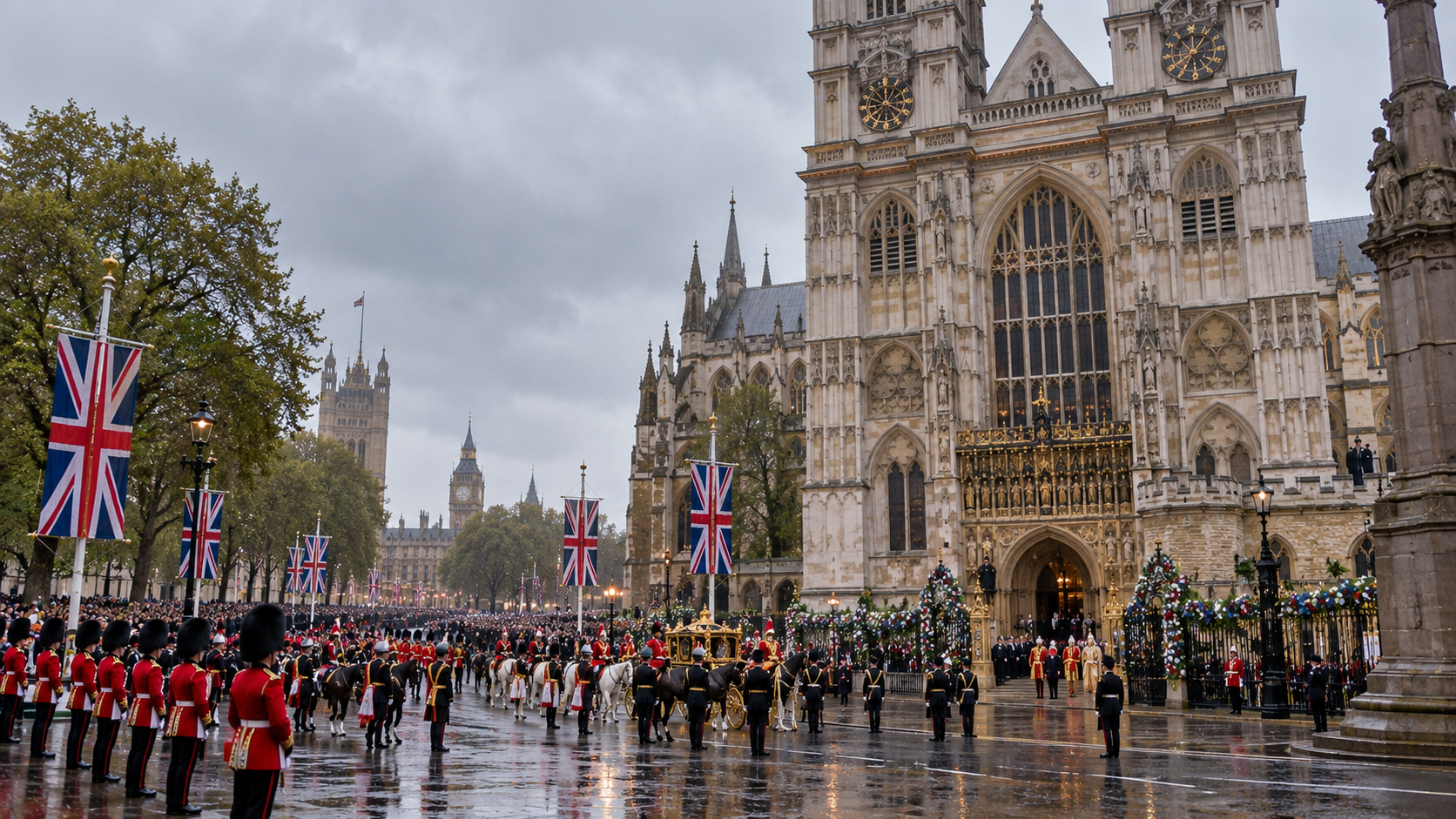
Inside Westminster Abbey, the ceremony went ahead with all its ancient pageantry. But outside, the arrests became one of the most debated stories of the day.
For supporters of the King, the coronation was a moment of national celebration. For his critics, the arrests showed that the right to say Not My King still needed defending.