On 6 September 1997, after her funeral at Westminster Abbey, Princess Diana’s coffin was driven slowly north from London. Crowds lined the motorway bridges and threw flowers onto the car as it passed.
Her destination was Althorp, the Spencer family estate in Northamptonshire where she had spent much of her childhood. That afternoon, in a private ceremony attended only by close family, she was laid to rest.
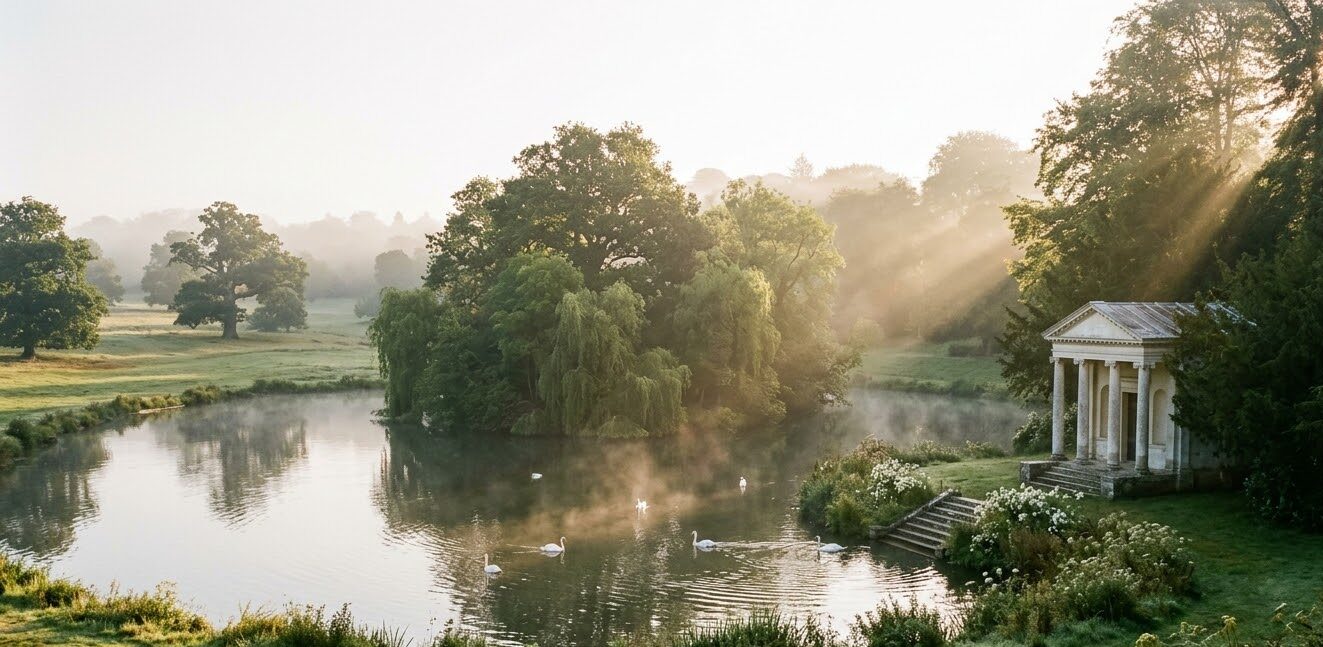
Many people had expected her to be buried in a royal vault at Windsor, or in the Spencer family vault in the church at nearby Great Brington. Instead, her family chose a small island in the middle of an ornamental lake known as the Round Oval.
Her brother, Earl Spencer, explained that the decision was about privacy and safety. A grave in a village church could have been overwhelmed by visitors and would have been difficult to protect. On the island, the family could make sure she was left in peace.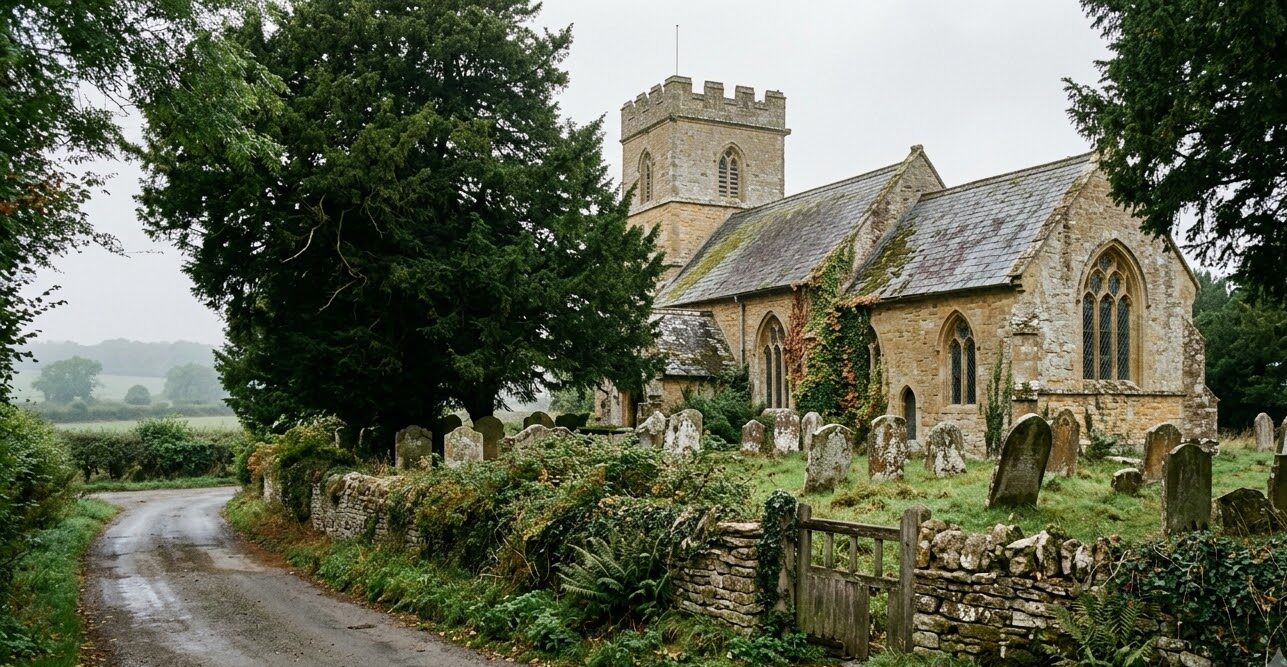
Just as importantly, it meant that her sons, William and Harry, could visit their mother’s grave privately, away from cameras and crowds.
The island is surrounded by water and planted with trees and flowers. It cannot be reached without a boat, and it has never been opened to the public.
Each summer, Althorp opens to visitors for a limited season. People could walk to the lake shore and look across at the island, and see a small classical temple on the bank dedicated to her memory, where they could leave flowers.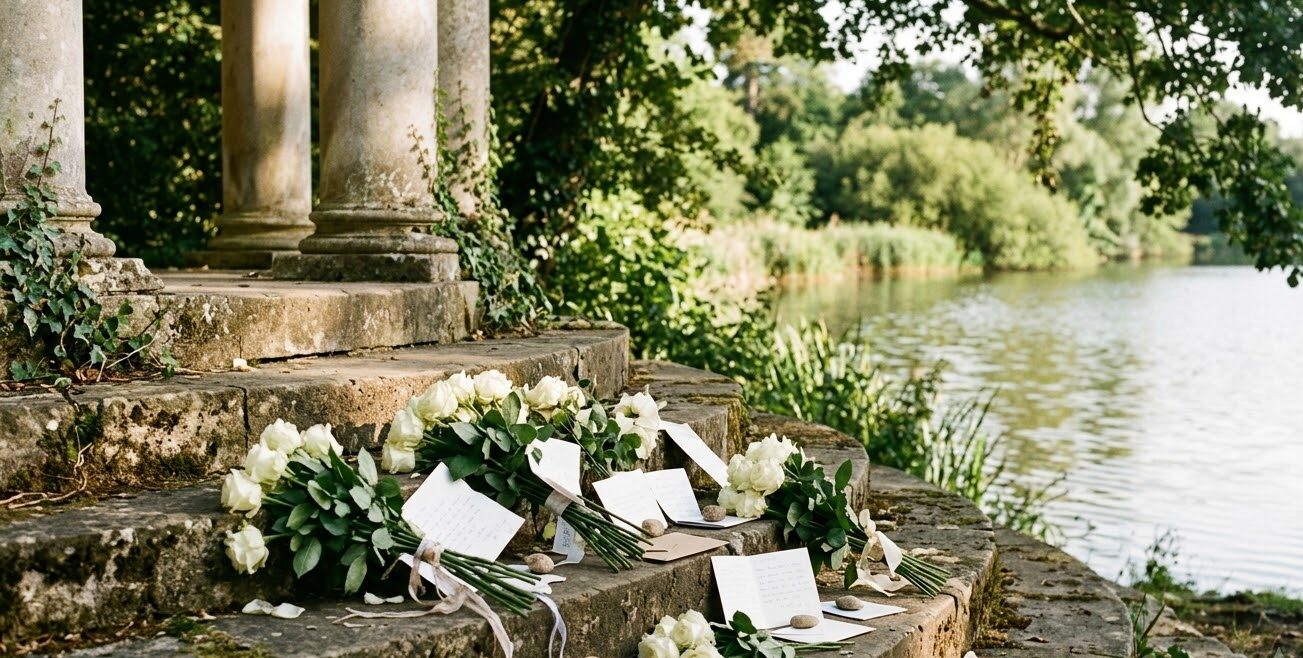
Over the years, William and Harry have visited the island privately, including on the anniversary of her death and on what would have been her birthday.
Many people find the choice deeply moving. The most photographed woman in the world, who spent her adult life surrounded by cameras, was finally given something she rarely had while she was alive: complete privacy.