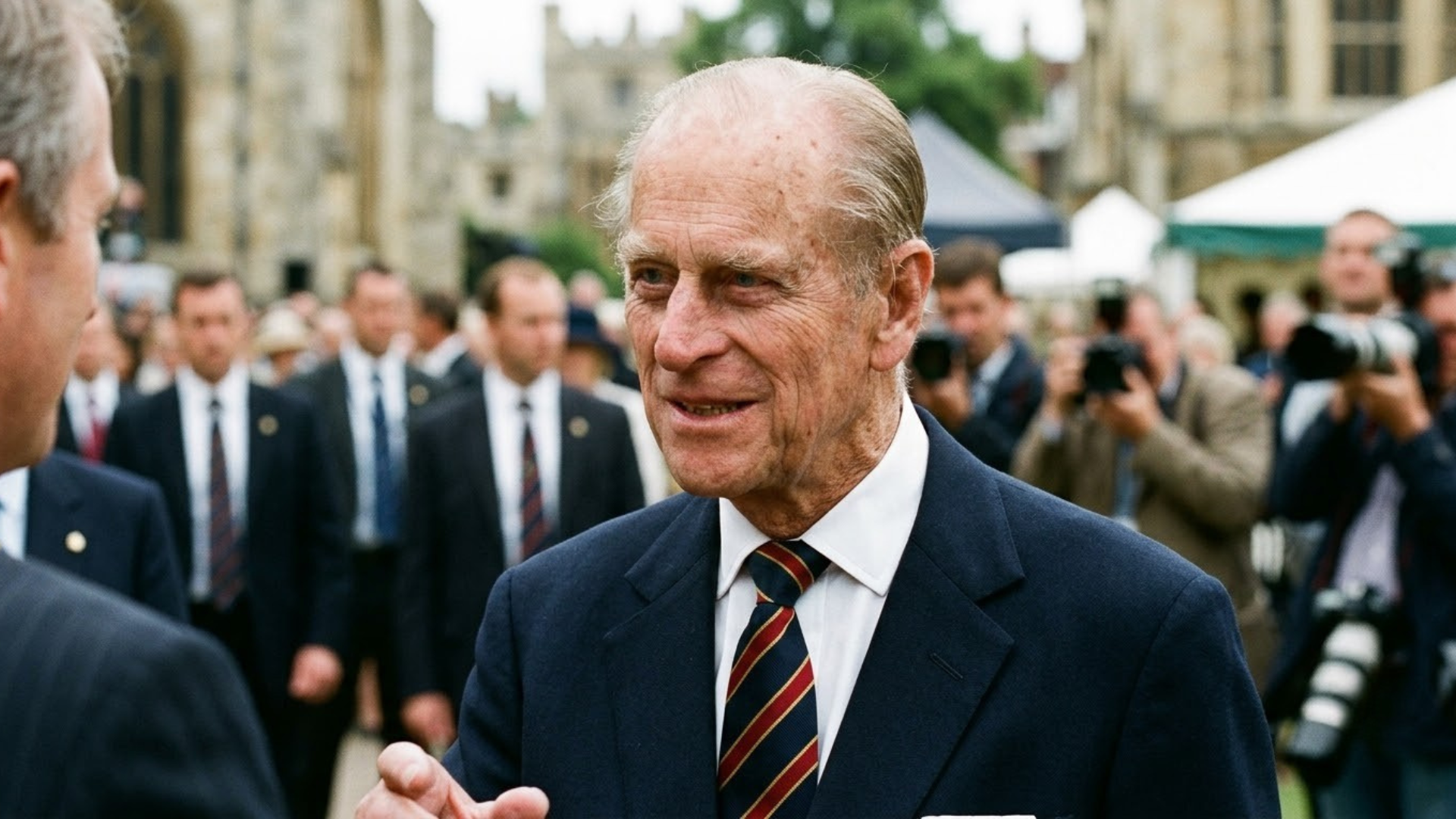
Prince Philip, Duke of Edinburgh, was married to Queen Elizabeth II for 73 years and carried out more than 22,000 solo engagements. He was admired for his loyalty, his energy and his work with young people through the Duke of Edinburgh’s Award.
But he was also famous for something else: remarks that were blunt, tactless and sometimes deeply offensive. Newspapers called them gaffes, and they followed him for decades.
One of the most widely reported came in 2002, during a visit to Australia. Meeting an Aboriginal businessman at a cultural park, Philip asked him whether his people still threw spears at each other. The comment caused anger and was widely condemned. 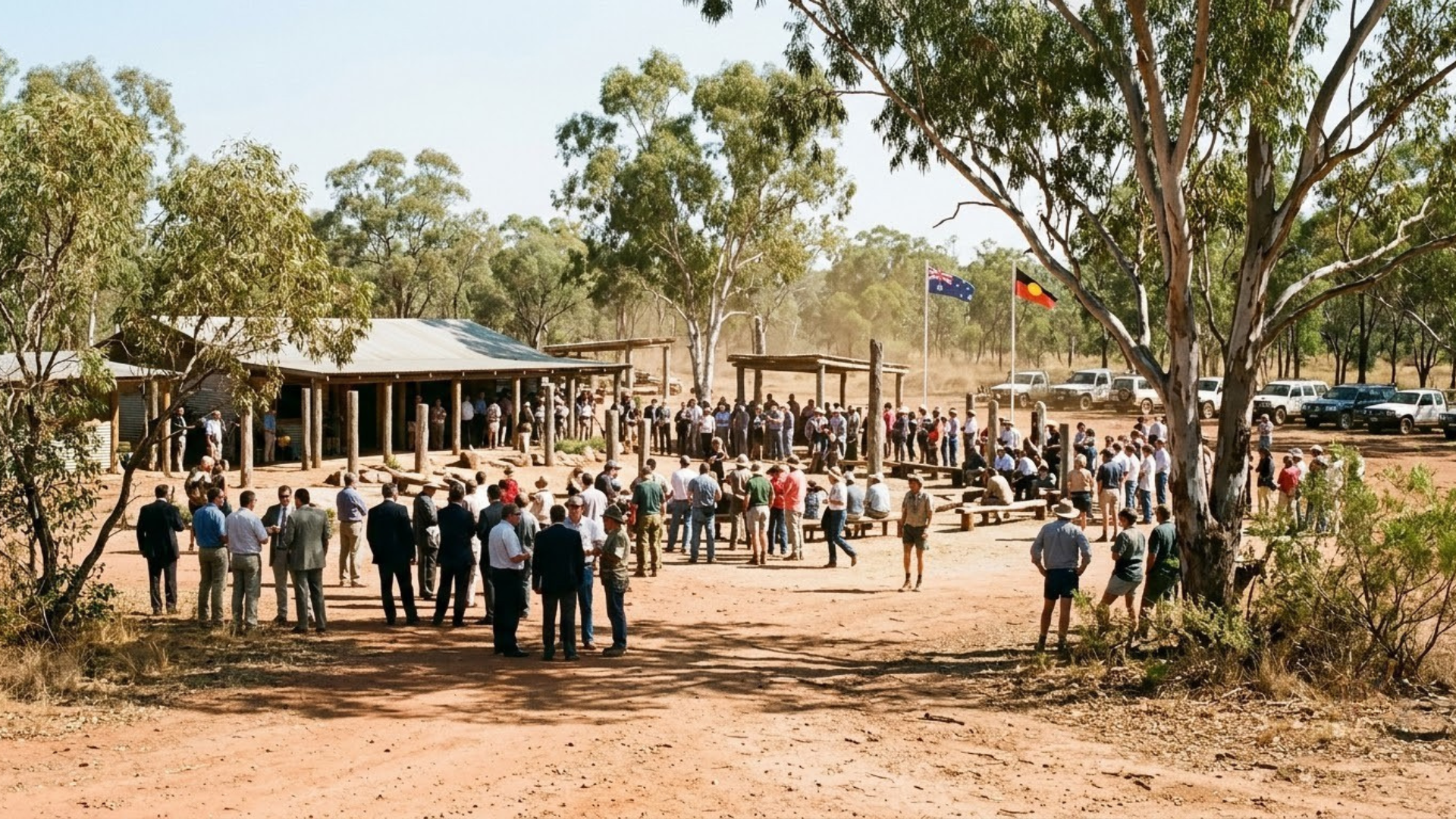
In 1999, visiting a factory in Scotland, he looked at a fuse box and remarked that it looked as if it had been put in by an Indian. He later apologised, saying he had meant to say cowboys, a British slang term for poor workmen. The remark caused offence in India and among British Indians.
There were many others over the years, some about nationalities, some about appearances, and some simply strange. In 1986, before the period covered here, he had already caused a diplomatic stir in China with a remark to British students.
Critics said the comments revealed outdated and prejudiced attitudes, and that a senior royal should have known better. Some of his remarks were seen as plainly racist.
His defenders saw it differently. They said he came from a different generation, that he used humour to put nervous people at ease, and that many of his comments were exaggerated or taken out of context. Some people who met him said they found him funny and kind.
When Philip died in April 2021, aged 99, obituaries celebrated his long service but did not ignore the gaffes. For many people, they were part of the picture of a complicated man: devoted to his wife and his duty, but never afraid to say exactly what he thought, even when he should have stayed silent.