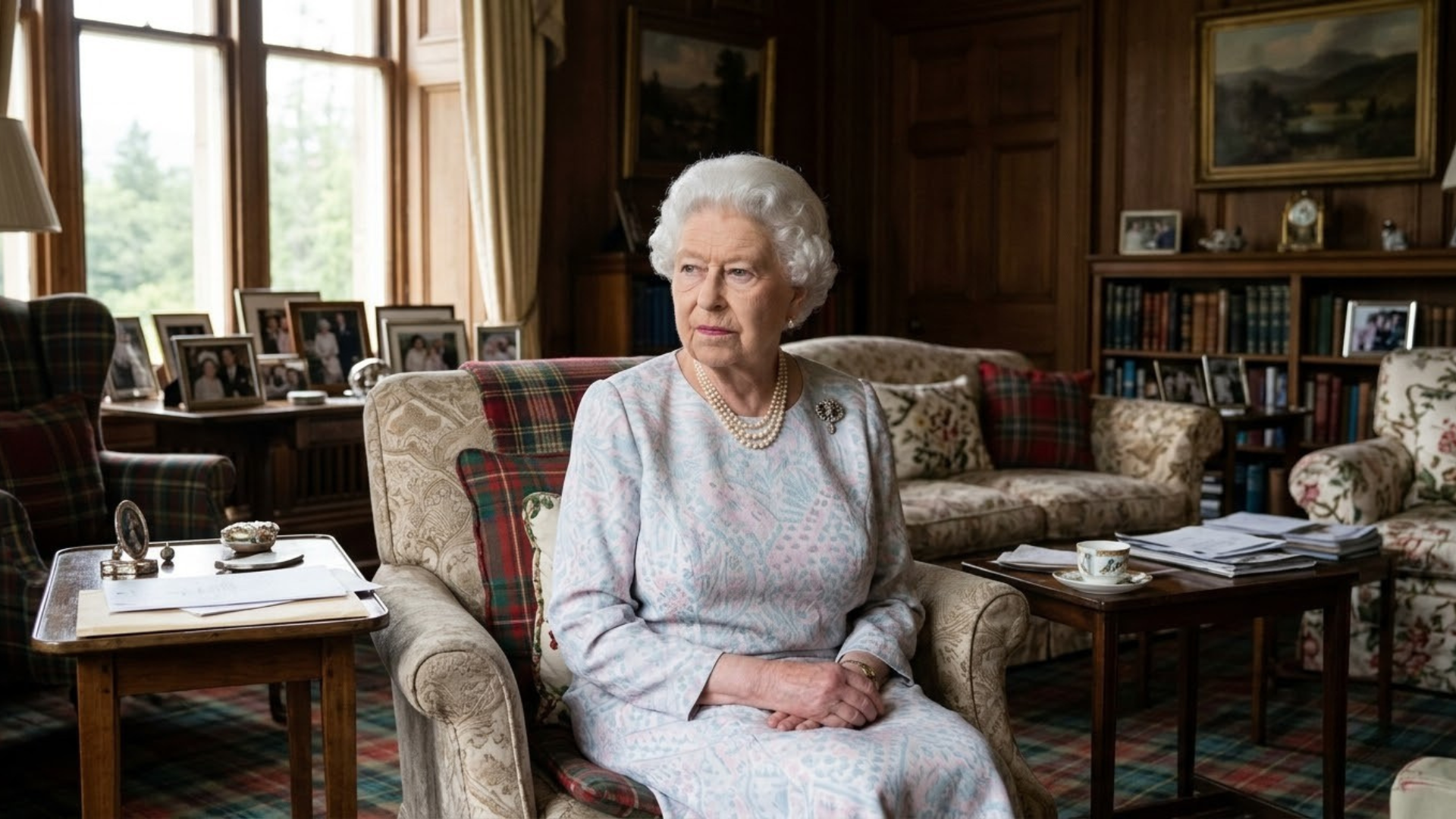
In Britain, the monarch has the formal power to prorogue, or suspend, Parliament. By long-standing convention, the monarch exercises this power only on the advice of the Prime Minister and does not get involved in political decisions.
In the summer of 2019, Britain was deeply divided over Brexit. The new Prime Minister, Boris Johnson, was determined to take the country out of the European Union by 31 October, with or without a deal. Many MPs were trying to stop a no-deal exit.
On 28 August 2019, government ministers travelled to Balmoral, where the Queen was staying. At a meeting of the Privy Council, she approved a request to prorogue Parliament for around five weeks, from mid-September until 14 October.
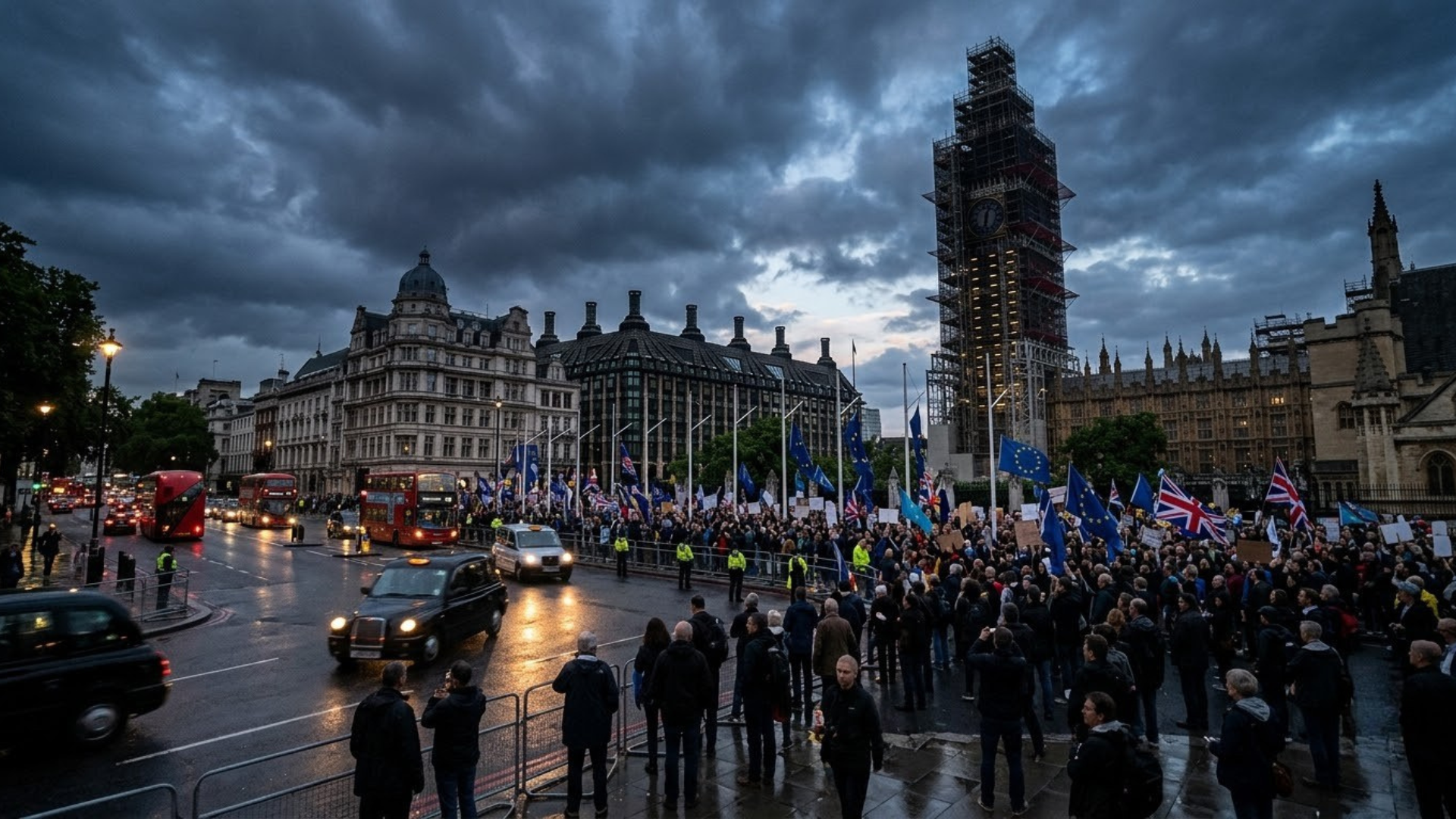
Critics were furious. They accused the government of shutting down Parliament to stop MPs from scrutinising its Brexit plans. Protests took place across the country, and campaigners launched legal challenges in England and Scotland.
On 24 September 2019, the case reached the Supreme Court. All eleven judges agreed. They ruled that the Prime Minister’s advice to the Queen had been unlawful, because it had the effect of stopping Parliament from carrying out its constitutional role without reasonable justification. The prorogation was declared void, as if it had never happened.
MPs returned to the House of Commons the next day. The ruling was a huge blow to the government.
Many people were concerned that the Queen, who had acted entirely on the advice of her Prime Minister, had been placed in an extremely difficult position. Reports suggested that Johnson apologised to her privately, though this was never officially confirmed.
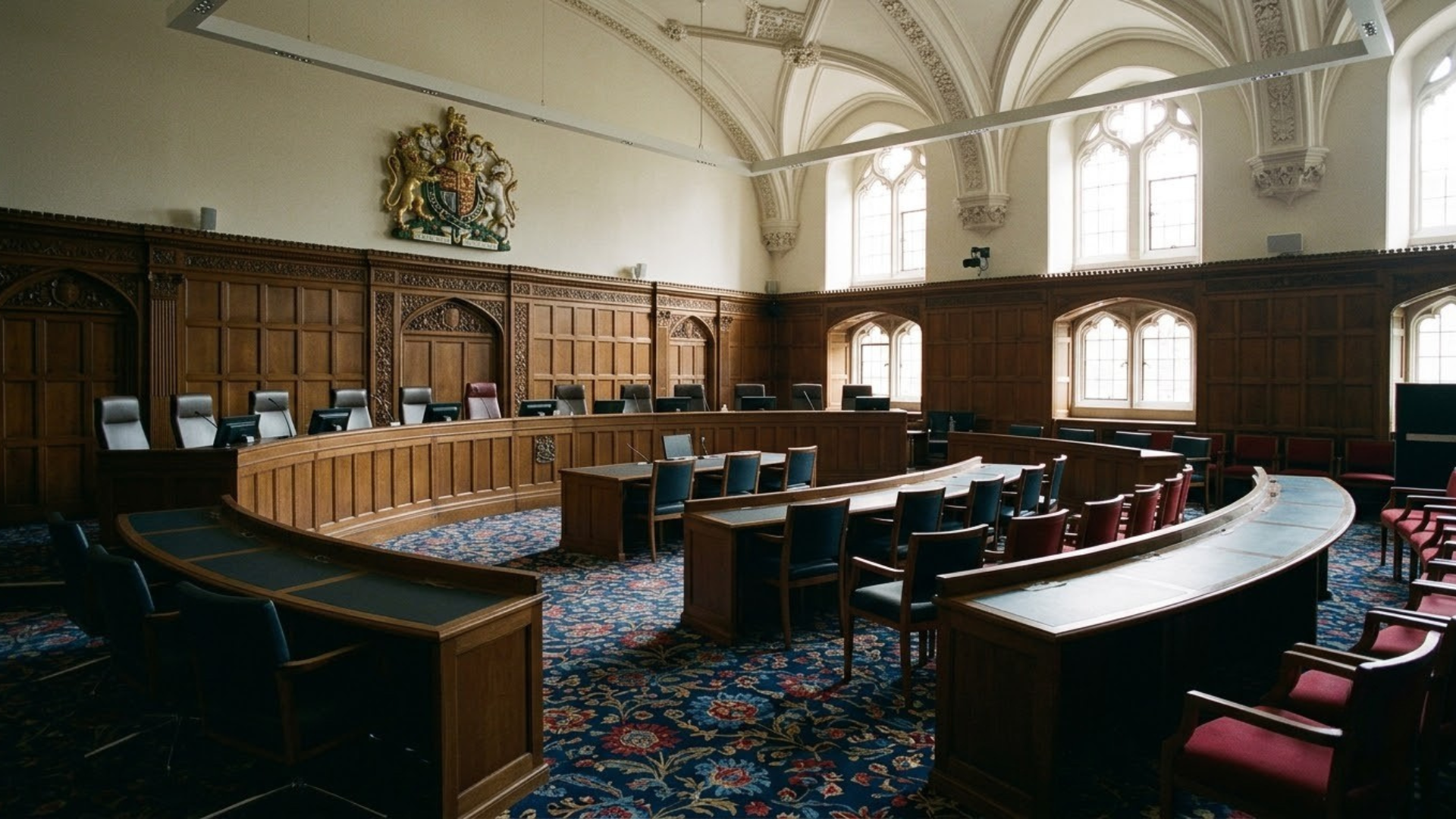
The case became one of the most important constitutional rulings in modern British history. It showed the limits of a Prime Minister’s power, and it reminded the country how carefully the monarch must stay above politics, even when politics comes knocking at her door.