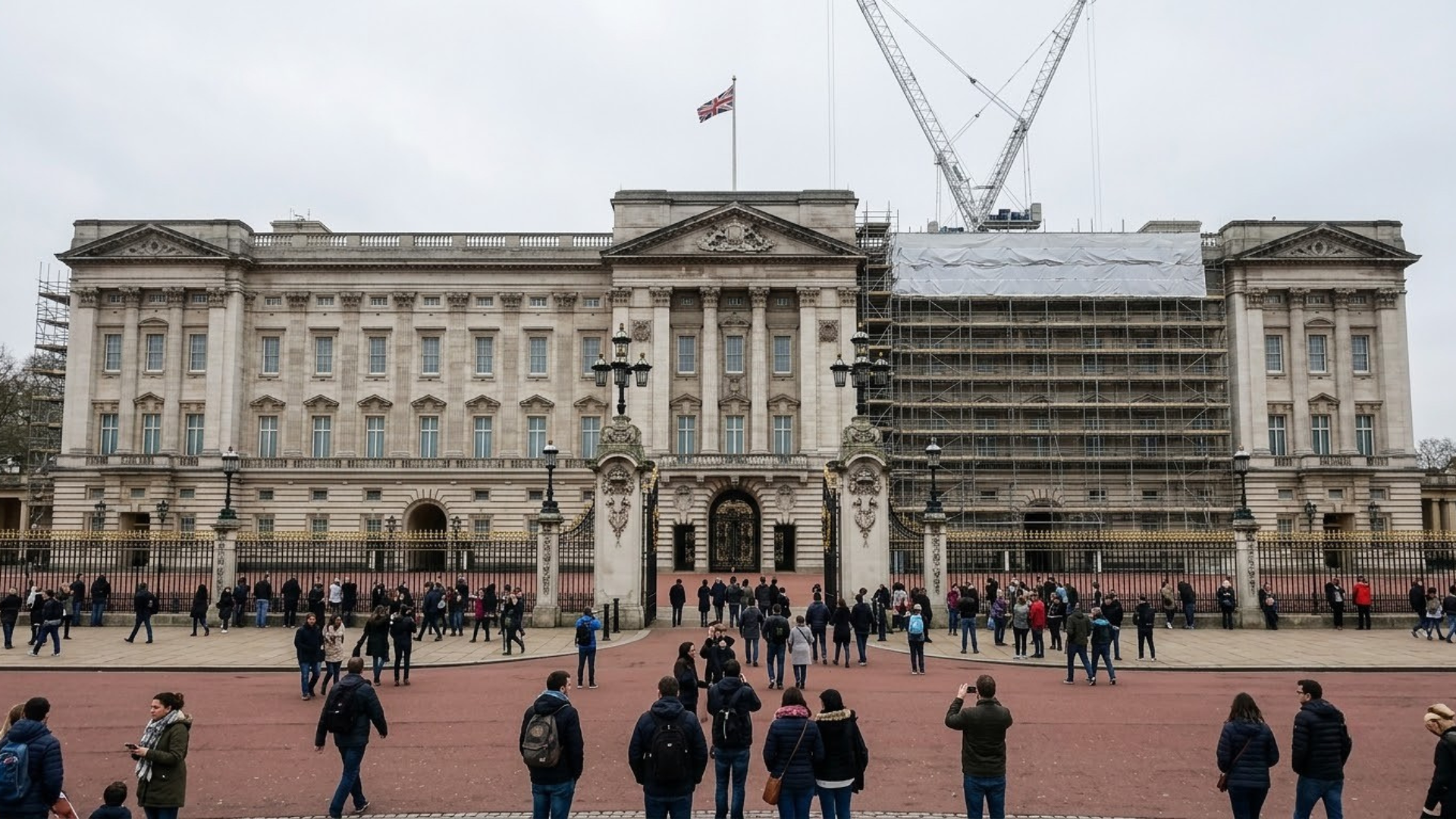
Buckingham Palace has been the London home of British monarchs since Queen Victoria. It has 775 rooms and is used for state banquets, investitures, garden parties and countless official events.
But by the 2010s, much of its essential infrastructure was badly out of date. Some of the electrical wiring and plumbing had not been replaced since the 1950s. Officials warned that there was a serious risk of fire, flooding and damage to the priceless art collection.
In November 2016, the government and the Royal Household announced a plan to fix it. The refurbishment, described as reservicing, would take ten years and cost around 369 million pounds.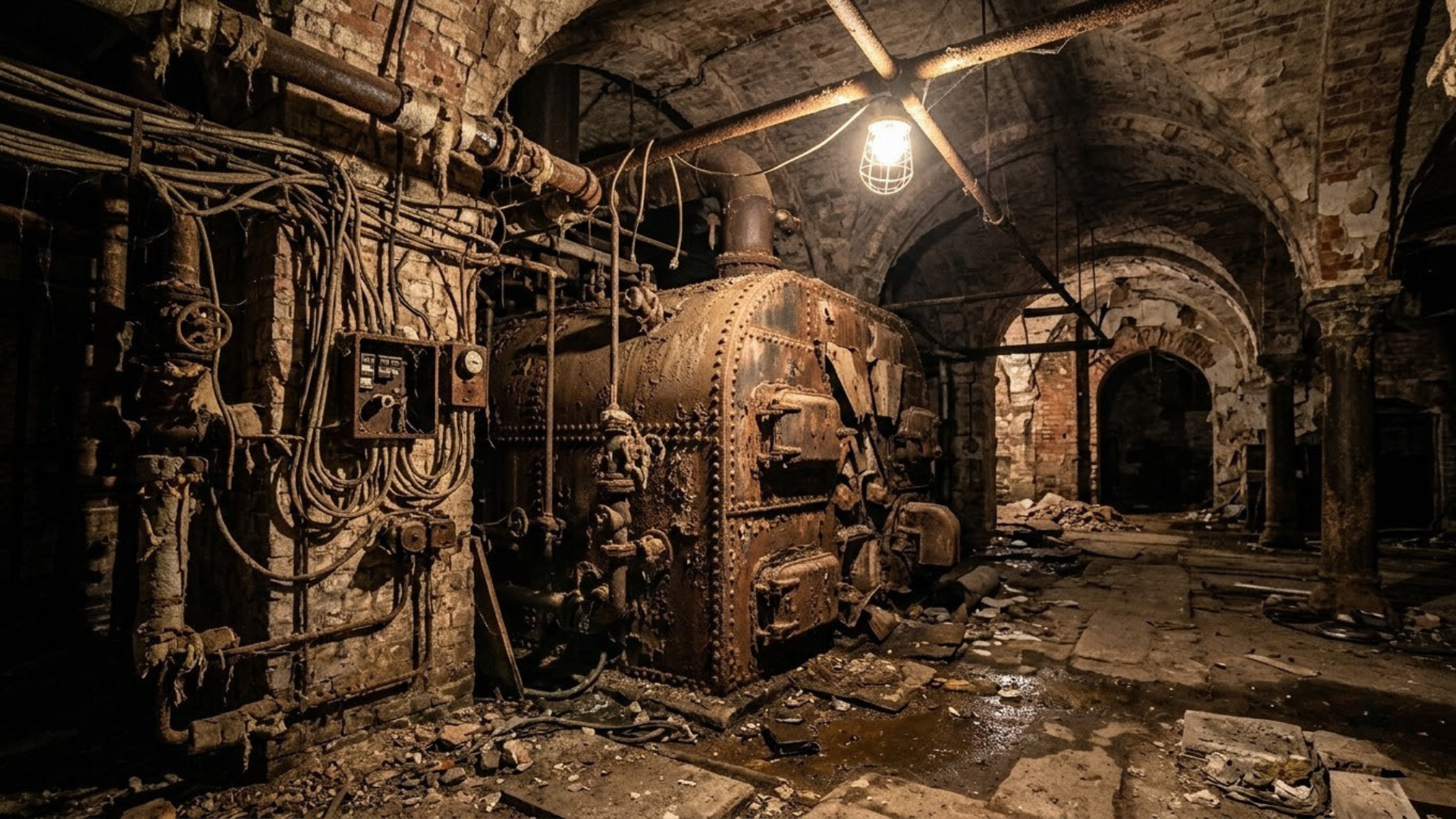
To pay for it, the Sovereign Grant, the money given to the monarchy from public funds, would be temporarily increased. Instead of receiving 15 percent of the profits of the Crown Estate, the monarchy would receive 25 percent for the duration of the works.
The announcement caused anger. At a time of government spending cuts, many people questioned why taxpayers should fund the repairs rather than the royal family’s private wealth. A petition calling for the royals to pay attracted tens of thousands of signatures, and campaign groups called the plan unacceptable.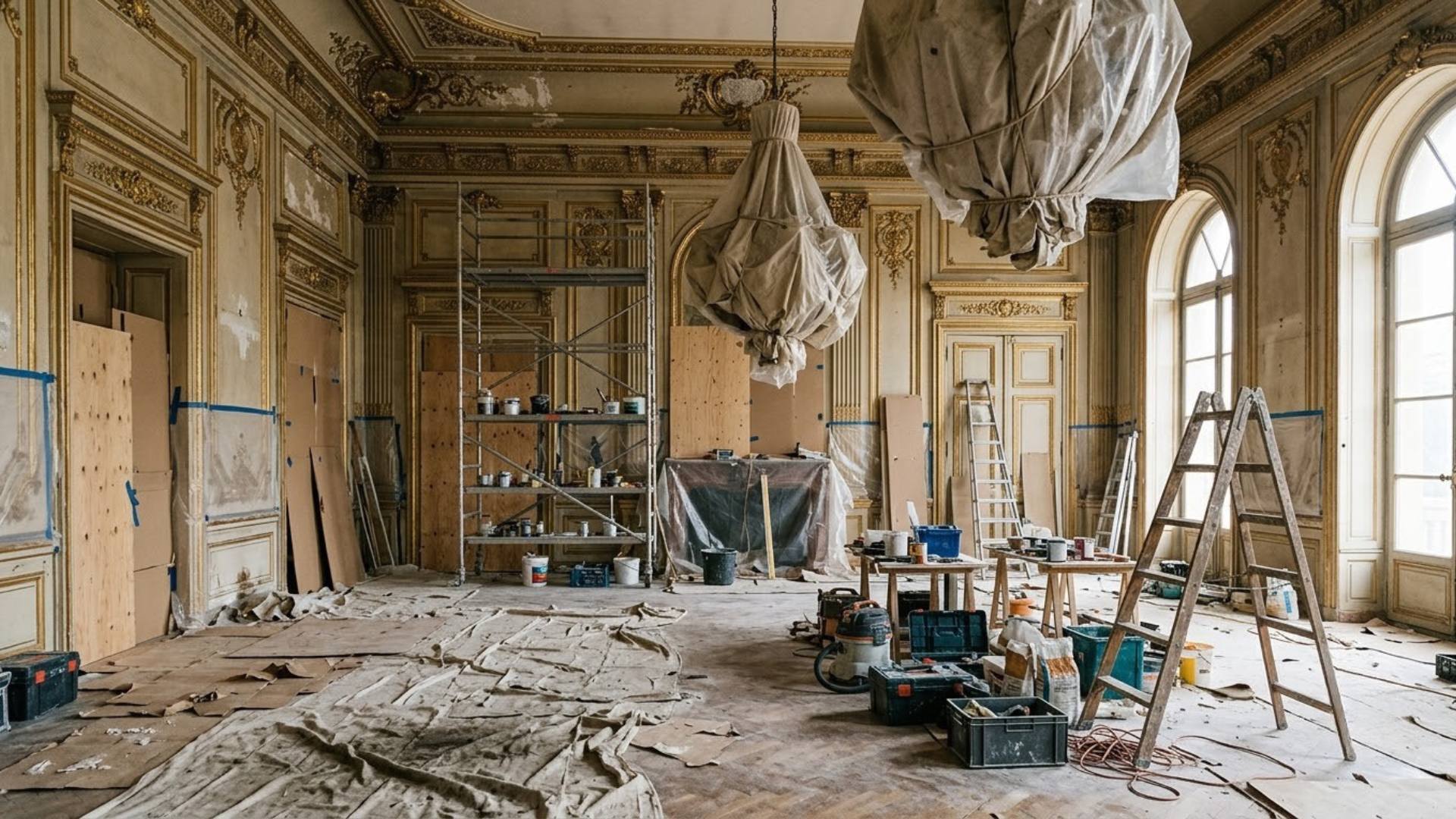
In later years, the palace opened newly restored rooms to visitors and released figures on progress. But the 369 million pound bill remains one of the most frequently mentioned examples in debates about the cost of the monarchy.
For some, it is simply the price of looking after a national treasure. For others, it is a symbol of how much the royal family relies on public money.