The Koh-i-Noor is one of the most famous diamonds on earth. Its name means mountain of light, and for centuries it passed between rulers in South and Central Asia.
In 1849, after the British annexed the Punjab, the diamond was handed over by the young Maharaja Duleep Singh, who was still a child. It was sent to Britain and presented to Queen Victoria. Many people in India see that as an act taken by force under colonial rule.
In the twentieth century, the diamond was set in the crowns of queen consorts. It sat in the crown made for Queen Mary in 1911, and later in the crown made for Queen Elizabeth, the Queen Mother, in 1937. That crown was placed on her coffin in 2002.
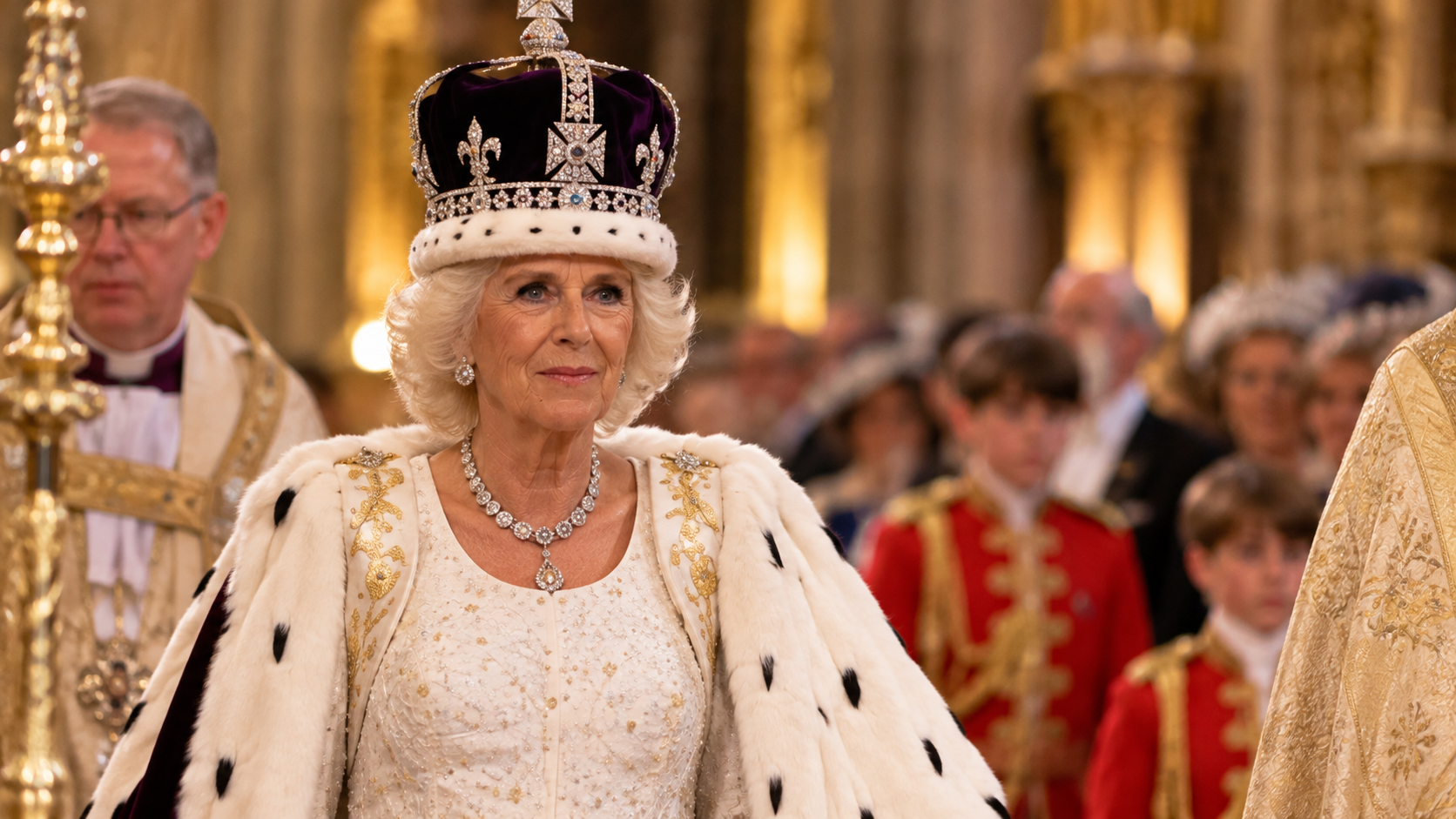
When King Charles III was to be crowned in May 2023, many expected Queen Camilla to wear the Queen Mother’s crown, Koh-i-Noor and all.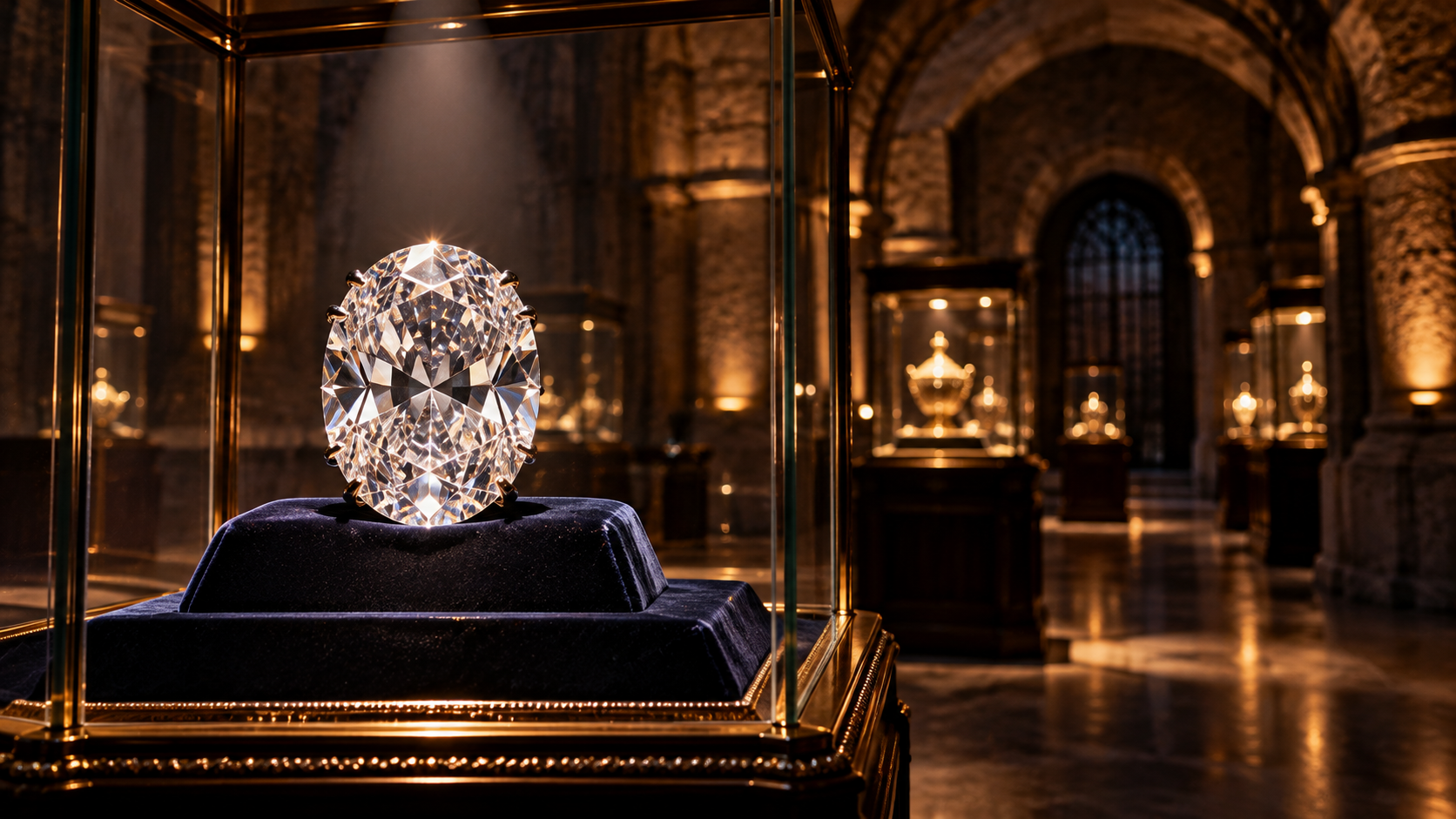
Instead, in February 2023, Buckingham Palace announced that Camilla would wear Queen Mary’s Crown. It was the first time in recent history that an existing crown had been reused for a consort, rather than a new one being made.
The crown was reset with three diamonds from Queen Elizabeth II’s personal collection: the Cullinan III, IV and V. Four of its eight arches were removed. The palace said this was a tribute to the late Queen.
The palace did not say the Koh-i-Noor was left out on purpose. But it was widely reported that the choice was made to avoid diplomatic sensitivities, especially with India. Before the decision, there had been reports of strong feelings in India about the diamond being used at the coronation.
India has asked for the Koh-i-Noor to be returned more than once. Pakistan, Afghanistan and Iran have also claimed it. The British government has always said the diamond was acquired legally.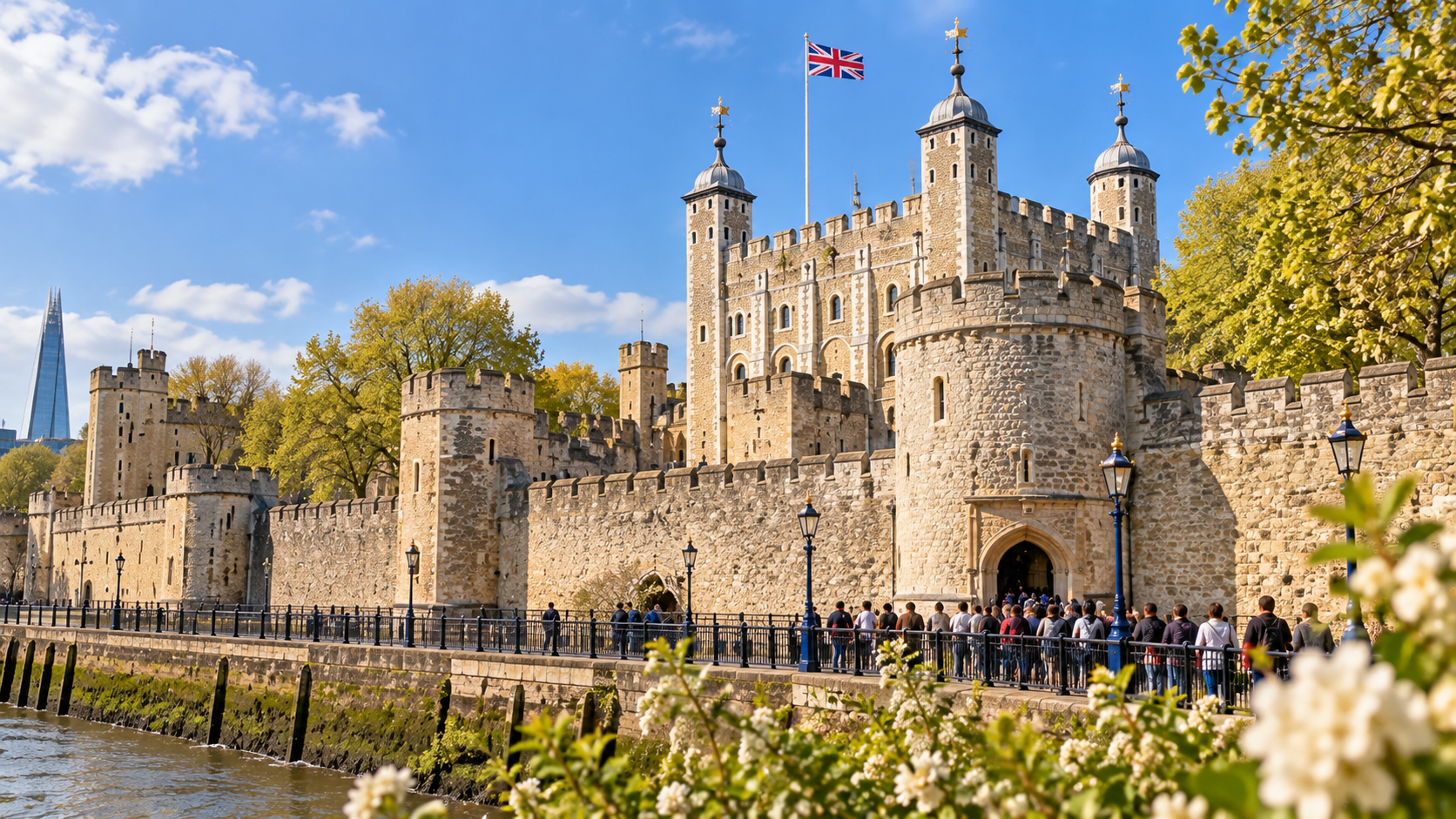
After the coronation, a new display at the Tower of London reportedly described the diamond as a symbol of conquest, a rare acknowledgement of its painful past.
The Koh-i-Noor still sits in the Queen Mother’s crown, under glass. It was not on Camilla’s head in 2023. But the debate about who it truly belongs to is far from over.