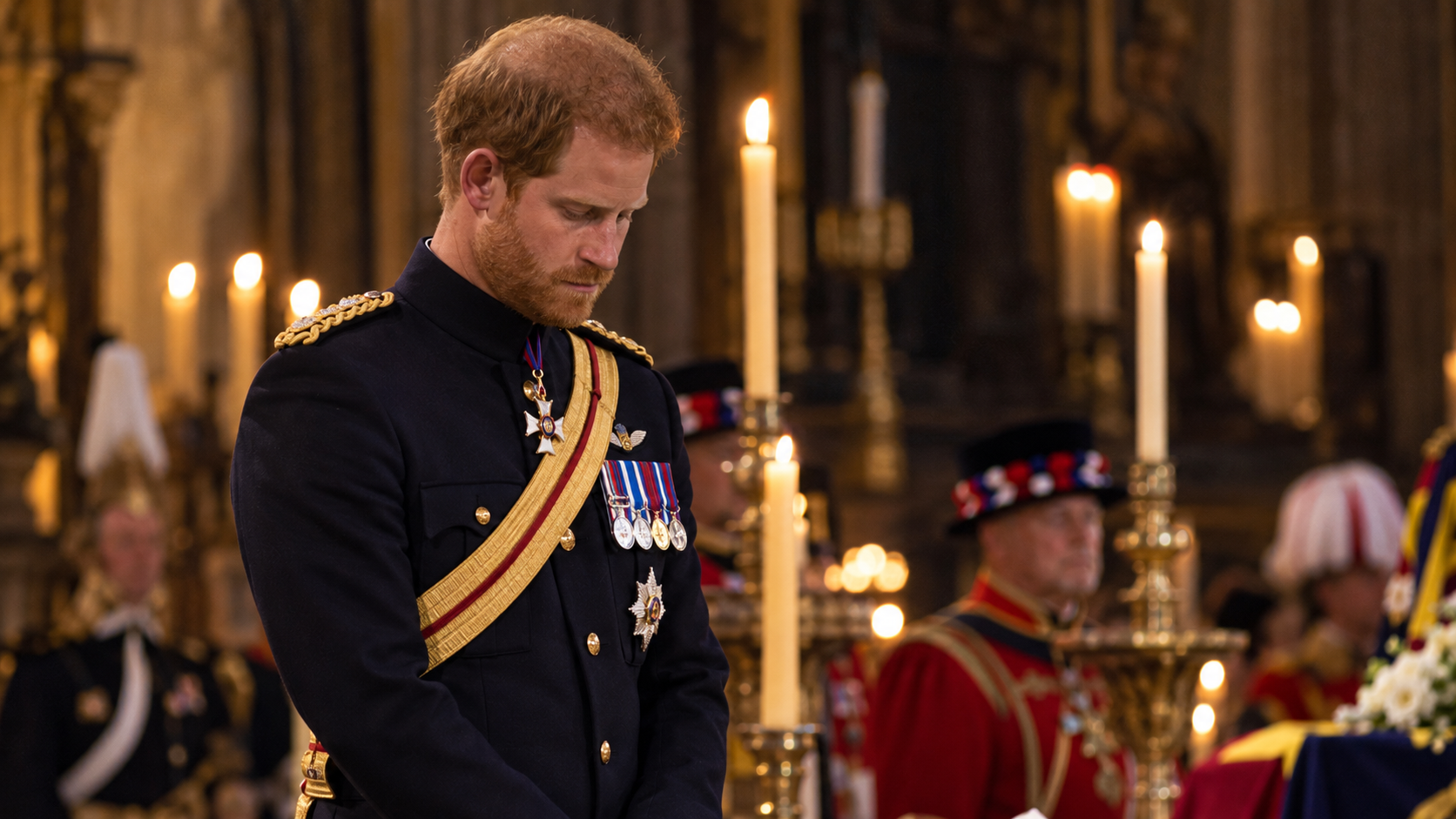
Queen Elizabeth II died at Balmoral on 8 September 2022. In the days that followed, the royal family took part in a series of carefully planned ceremonies, watched by millions of people around the world.
One small detail soon became a big talking point: who would wear military uniform. It was reported that only working members of the royal family would wear uniform at the main ceremonial events.
That rule affected two people in particular. Prince Harry had stepped back from royal duties in 2020 and had lost his honorary military titles. Prince Andrew had stepped back from public life in 2019. Neither was a working royal.
For Harry, it was a painful point. He had served in the British Army for ten years and completed two tours of duty in Afghanistan. Many people felt he had earned the right to wear uniform more than most.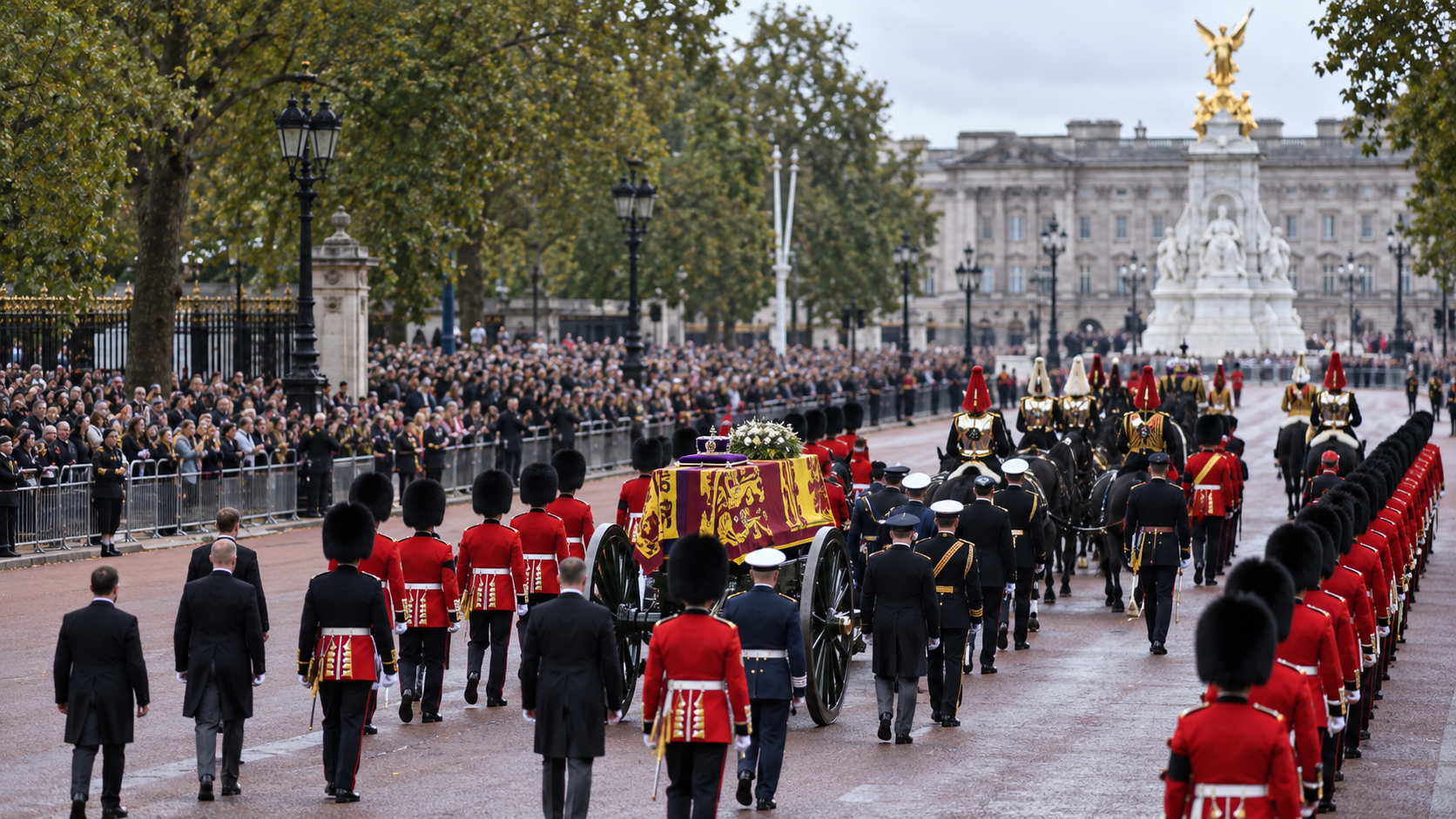
Harry’s spokesperson made it clear he would wear a morning suit. The statement said that his decade of service was not defined by the uniform he wore, and asked that the focus stay on the Queen’s life and legacy.
On 14 September, Harry walked behind his grandmother’s coffin to Westminster Hall in a morning suit, with his medals pinned to his chest. Some of his relatives walked beside him in full uniform.
Then came a change. It was reported that the King had made an exception for the vigils. Andrew wore uniform when the Queen’s children stood guard, and on 17 September Harry wore his Blues and Royals uniform as the eight grandchildren kept watch over the coffin.
It looked like a moment of unity. Prince William stood at the head of the coffin and Harry at the foot, both in uniform, heads bowed.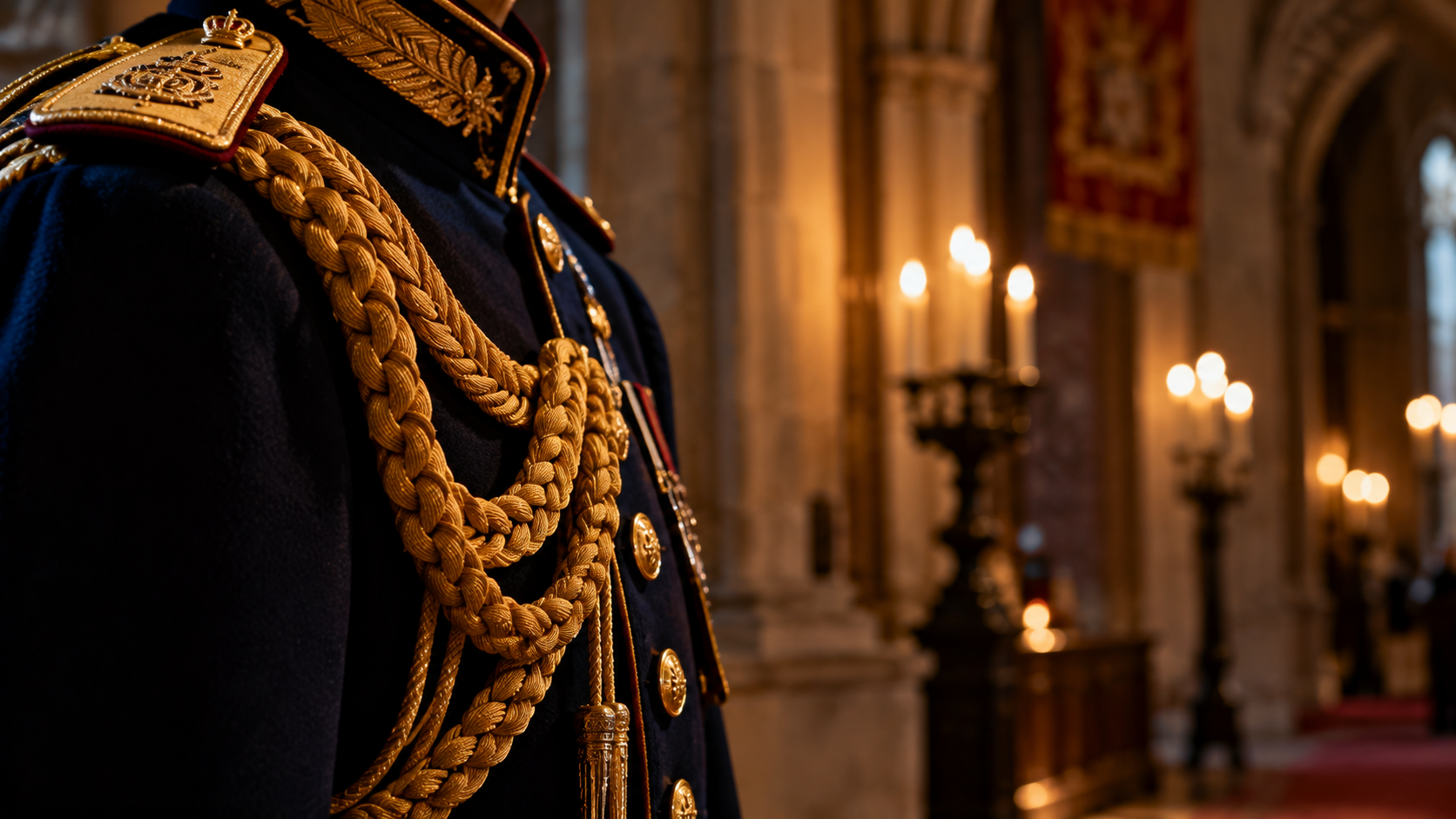
But photographers soon noticed a difference. According to reports, the ER cipher, the Queen’s royal monogram worn on the shoulders by those who had served as her aides, had been removed from Harry’s uniform. William’s uniform still carried it.
Reports claimed Harry was hurt by the detail, though the palace did not comment publicly. At the Queen’s state funeral on 19 September, he was back in a morning suit. For many people, the row summed up how far apart the brothers had drifted, even in their shared grief.