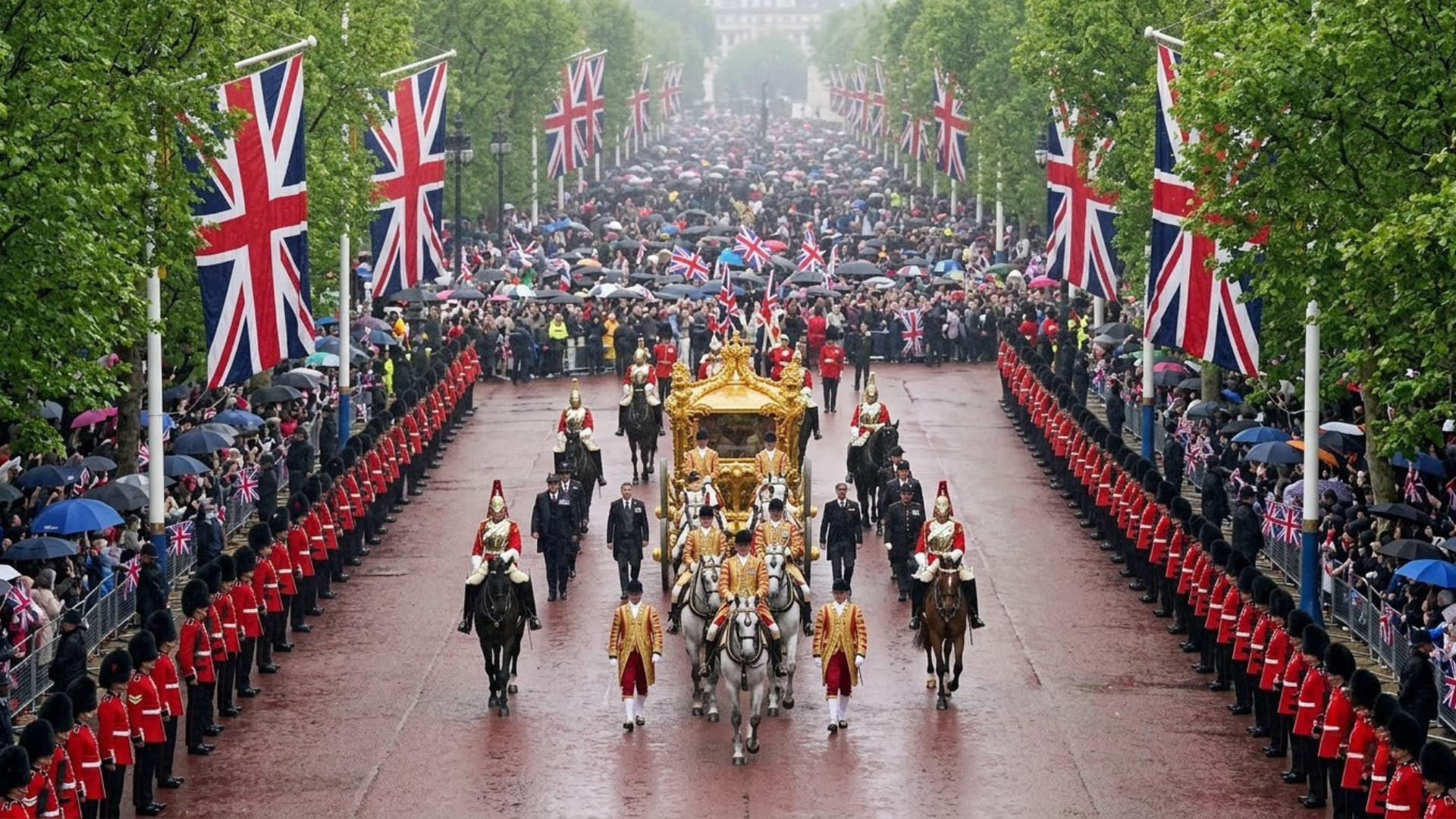
On 6 May 2023, King Charles III and Queen Camilla were crowned at Westminster Abbey. It was the first coronation in Britain for 70 years, and the first that most people alive had ever seen.
The day was filled with history and spectacle. There were ancient rituals, the glittering crown jewels, a huge military procession and a balcony appearance at Buckingham Palace, watched by crowds who had camped out in the rain.
But one question was asked again and again: who was paying for it all? Because the coronation is a state occasion, the answer was the government, which means the British taxpayer.
For months, the exact figure was not known. Ministers said that the cost was justified, but did not give details before the event.
Later, the government revealed that the coronation had cost around £72 million. The largest part, reportedly around £50 million, was spent by the Home Office on policing and security, which was one of the biggest operations of its kind in British history. Most of the rest was for the ceremony and celebrations.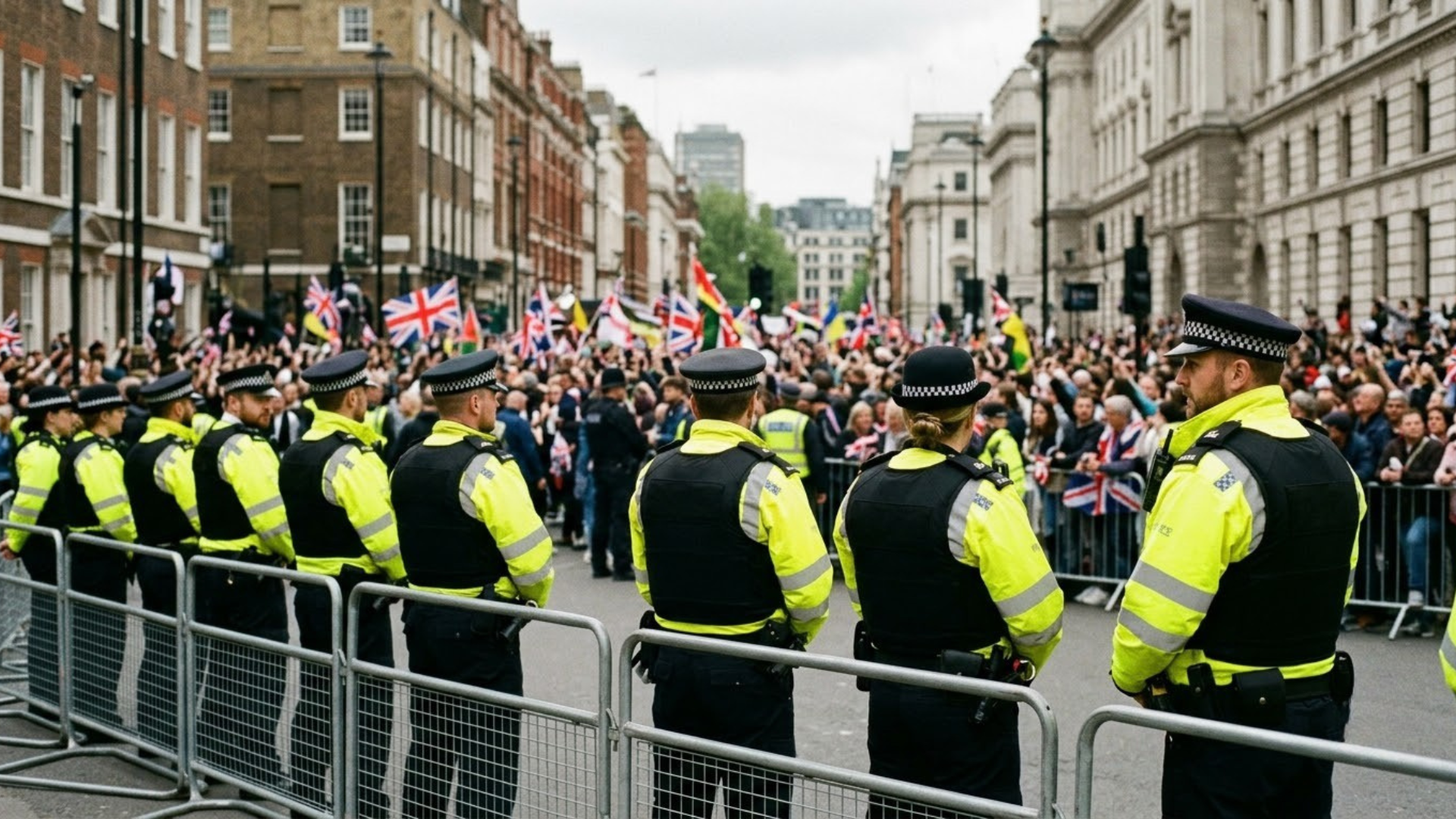
The timing made the cost even more sensitive. Britain was in the middle of a cost-of-living crisis, with high energy bills, rising food prices and many families relying on food banks.
The campaign group Republic, which wants to replace the monarchy with an elected head of state, called the spending a waste of public money. Polls suggested that many people, especially younger Britons, felt the taxpayer should not have paid.
Supporters of the monarchy disagreed. They argued that the coronation brought in tourists, boosted businesses and showed Britain at its best to a global audience. They also pointed out that the King had asked for a smaller, shorter service than his mother’s in 1953.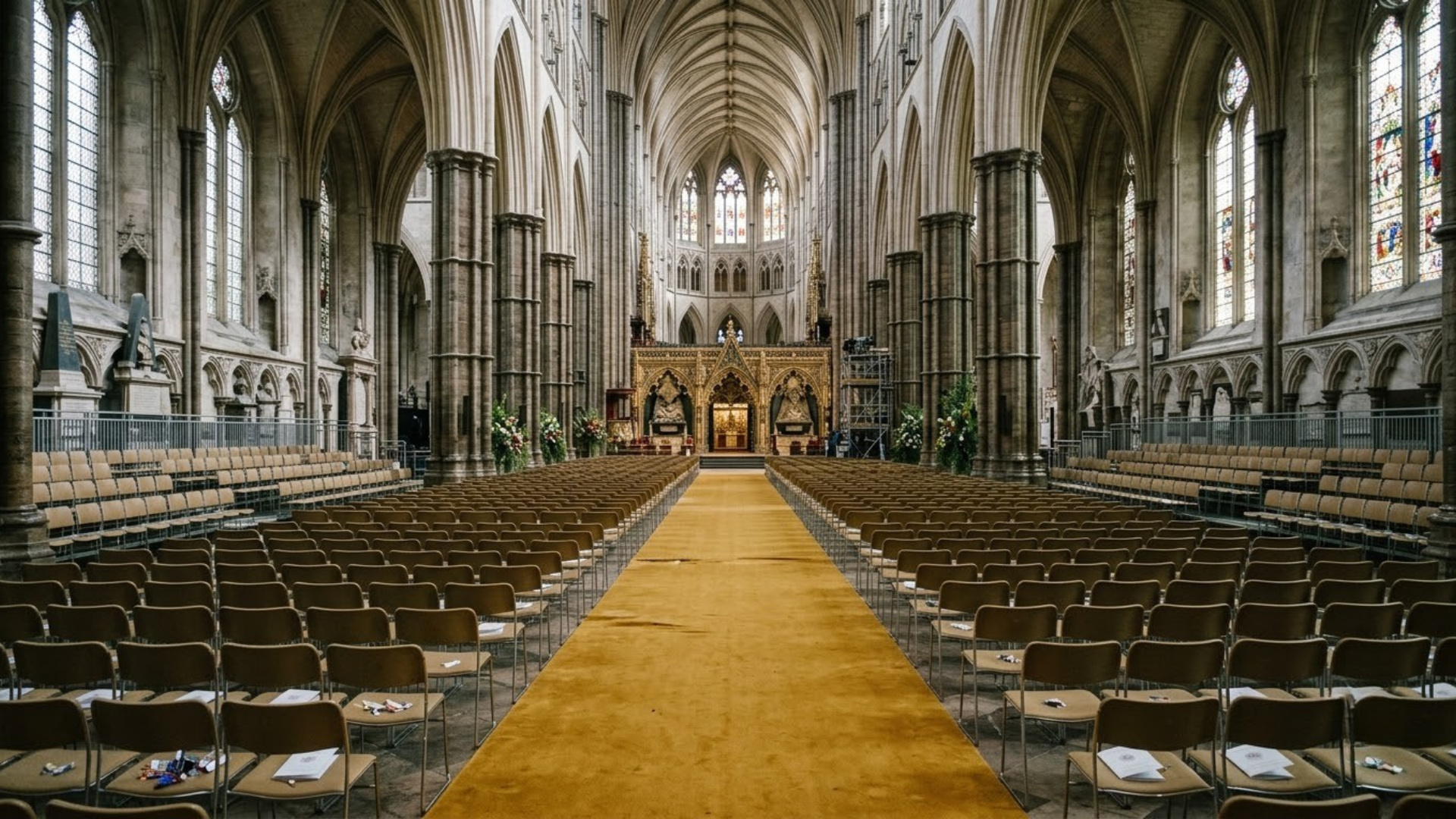
In the end, there was no single answer to whether the money was well spent. For some, it was the price of a once-in-a-generation moment of national history. For others, it was a symbol of a royal family out of touch with ordinary lives.
What is certain is that the debate over the coronation’s cost became part of a wider conversation about the monarchy’s place in modern Britain, and how much the public is willing to pay for it.