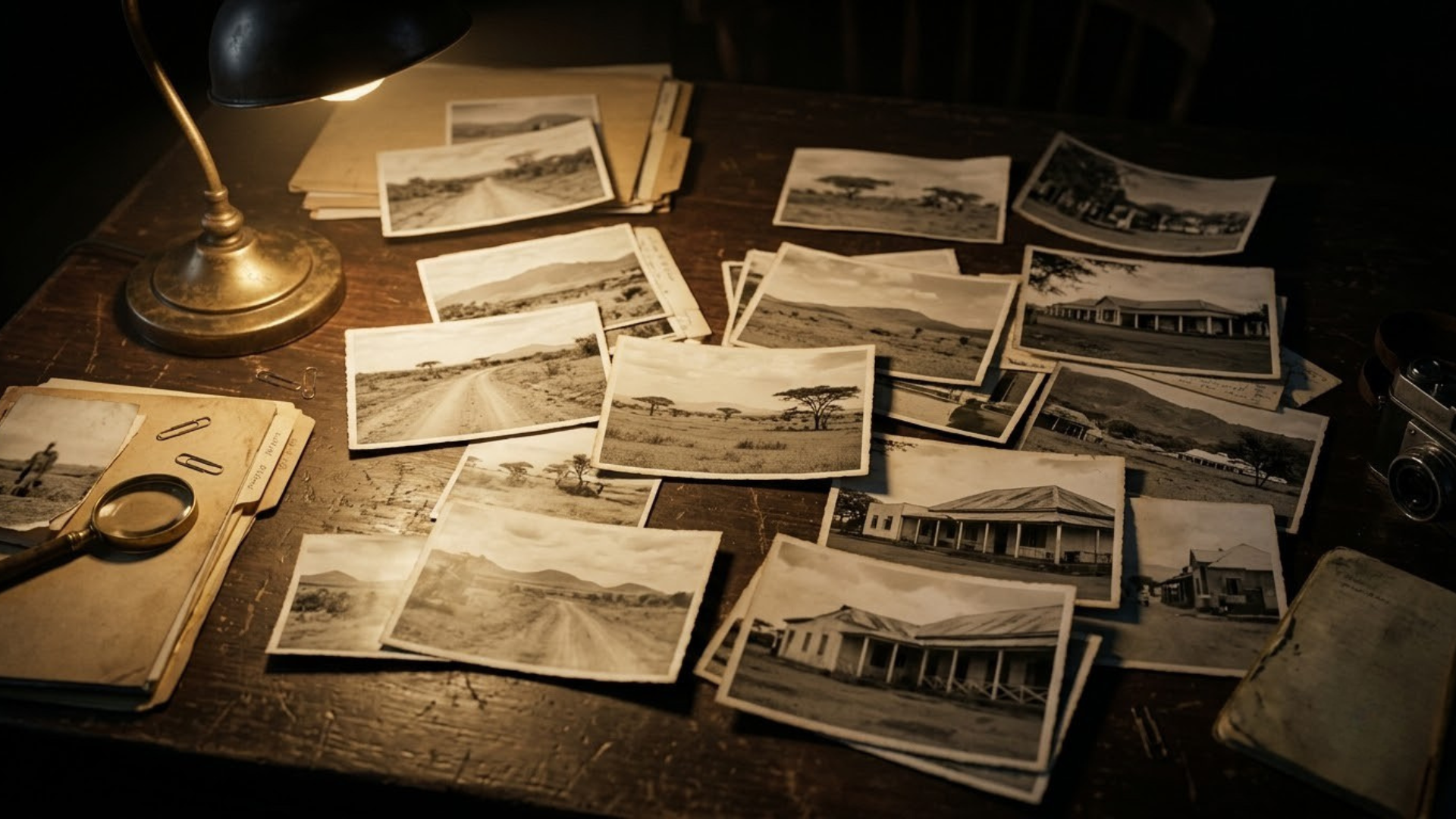
Kenya holds a special place in royal history. In February 1952, Princess Elizabeth was staying there when she learned that her father had died and that she had become Queen.
But Kenya’s history with Britain is also deeply painful. During the 1950s, an uprising against colonial rule, known as the Mau Mau rebellion, was met with a brutal response. Many thousands of Kenyans were killed, and many more were detained in camps where terrible abuses took place.
In 2013, after a long legal battle, the British government agreed to pay compensation to more than 5,000 Kenyans who had suffered during that period, and expressed regret for what had happened.
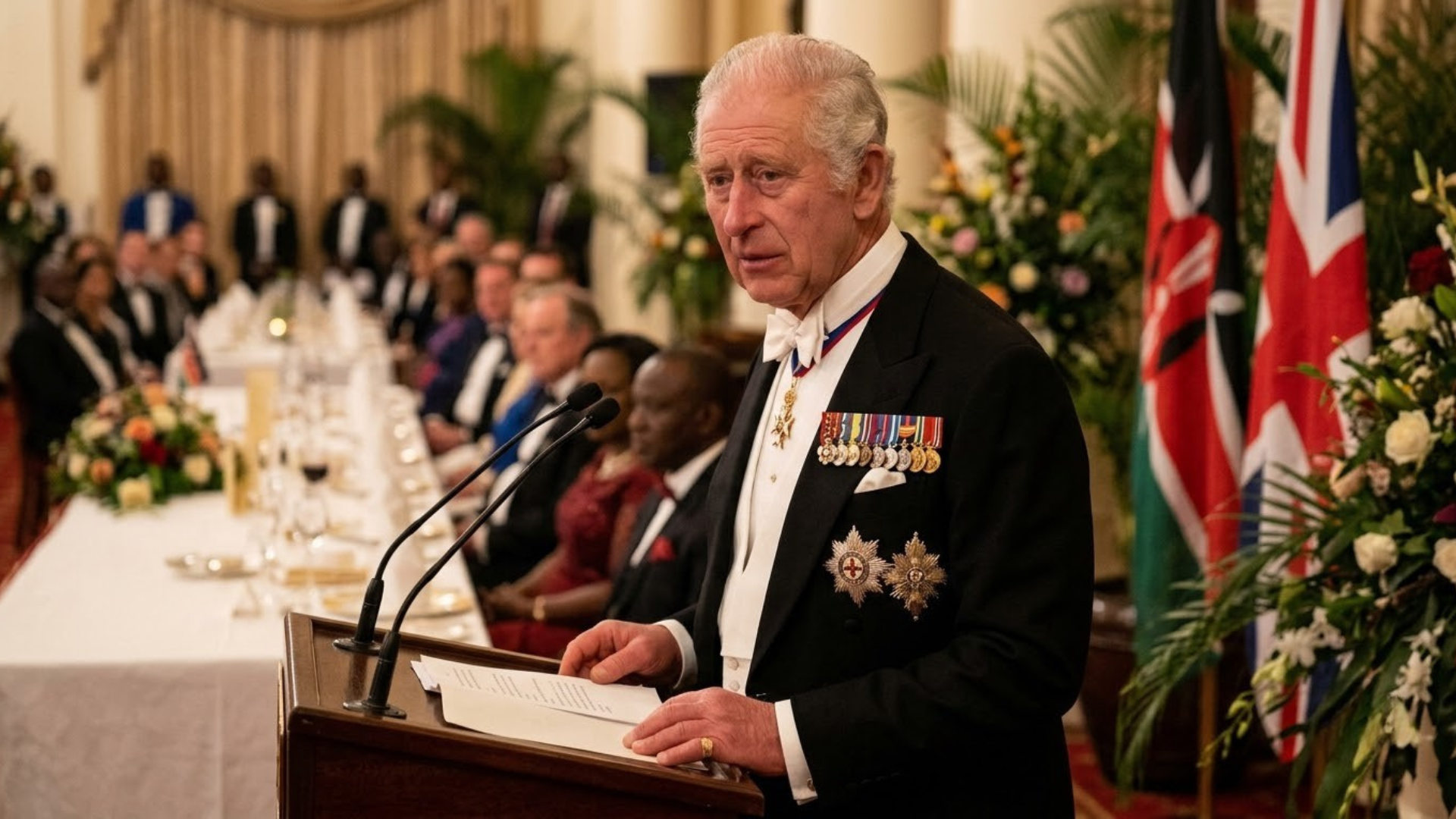
In late October 2023, King Charles III and Queen Camilla arrived in Kenya for a four-day state visit. It was his first state visit to a Commonwealth country since becoming King, and many people wondered whether he would address the past.
At a state banquet hosted by President William Ruto in Nairobi, Charles spoke directly about the colonial era. He said the wrongdoings of the past were a cause of the ‘greatest sorrow and deepest regret’.
He described ‘abhorrent and unjustifiable acts of violence’ committed against Kenyans as they fought for independence and sovereignty, and he said there could be no excuse for them. It was one of the strongest statements on colonial history ever made by a British monarch.
Yet he did not offer a formal apology. As King, he acts on the advice of the government, and a formal apology could carry legal and financial consequences.
Reaction was mixed. President Ruto praised the King’s courage in addressing the past but said more needed to be done. Human rights groups and some survivors’ families called for an unequivocal public apology and for reparations.
During the rest of the visit, Charles met community groups and young people, and travelled beyond Nairobi. For many observers, his words were seen as an important first step.
But the visit showed how difficult the monarchy’s relationship with its colonial past remains. For many Kenyans, sorrow and regret are welcome, but the word they have waited decades to hear is still sorry.