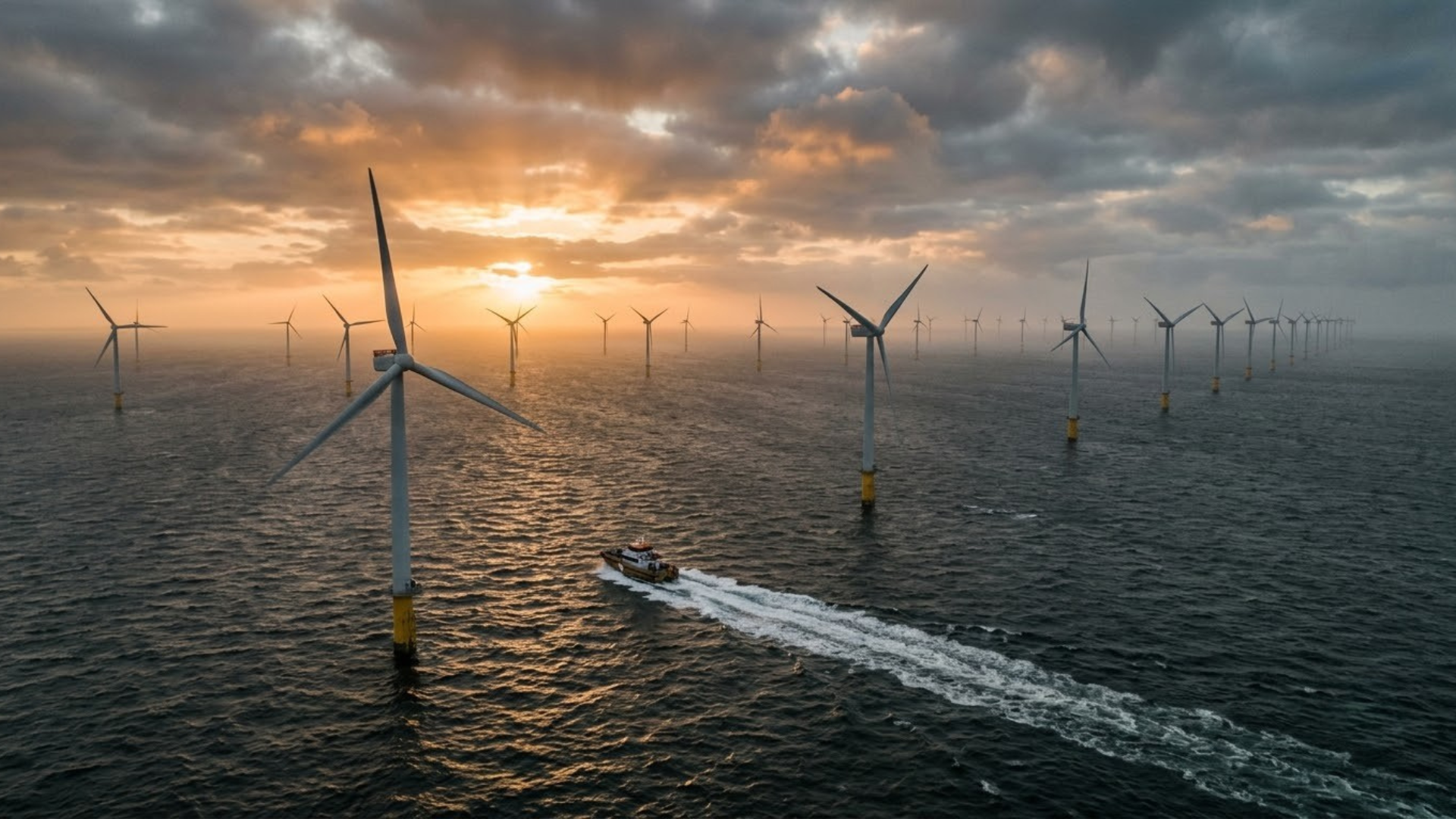
Most people know that the royal family receives public money to carry out its official work. Far fewer know where the figure actually comes from, or that it is linked to the sea.
The money is called the Sovereign Grant. It pays for the monarch’s official duties, staff, travel and the upkeep of royal palaces. Since 2012, it has been calculated using a formula tied to the profits of the Crown Estate.
The Crown Estate is a huge collection of land and property. It includes famous buildings in central London, farmland across the country and much of the seabed around England and Wales. Its profits go to the Treasury, not to the King personally.
Under the formula, the Sovereign Grant was set at 25% of the Crown Estate’s profits from two years earlier. For years, this worked quietly in the background.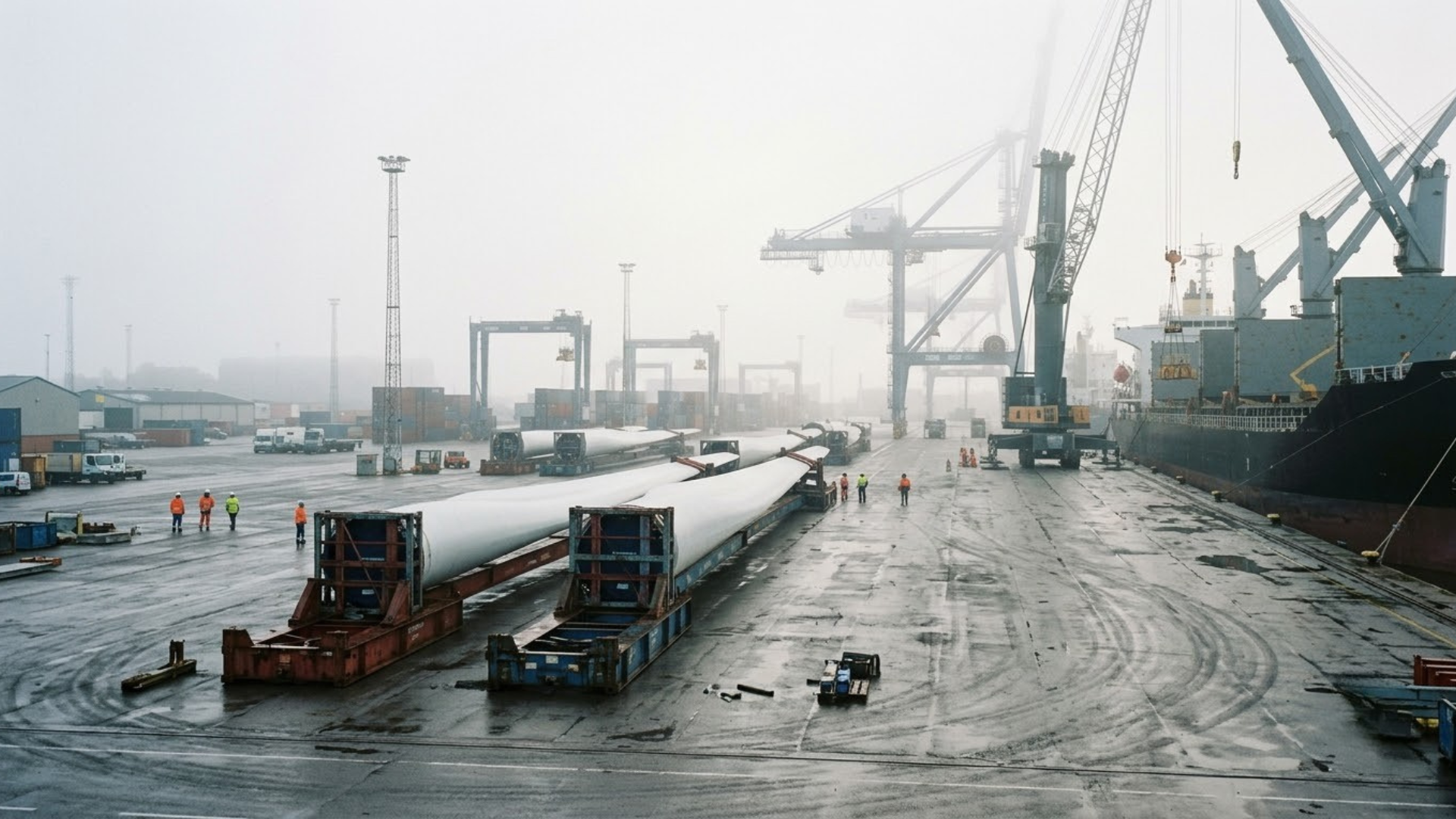
Then came the offshore wind boom. Energy companies paid enormous sums for the right to build new wind farms on the seabed managed by the Crown Estate. In 2023, its profits surged to record levels.
Because of the formula, this created a problem. Without changes, the royal family’s public funding would have risen by a huge amount, at a time when many families in Britain were struggling with the cost of living.
King Charles asked that the windfall from offshore wind be used for the wider public good, rather than simply going to the monarchy. His request was widely reported and praised by some as a sensible move.
The government then changed the rules. The share of Crown Estate profits used to calculate the Sovereign Grant was reduced from 25% to 12%, to avoid an enormous rise.
Even so, the Sovereign Grant was still set to rise to about £132 million from 2025, a significant increase. Supporters said the money was needed for major palace repairs. Critics, including campaigners for a republic, said it was far too much.
The story revealed how royal finances can be shaped by things few people ever think about. Out in the cold waters around Britain, the turbines turning in the wind were helping, indirectly, to fund the Crown.