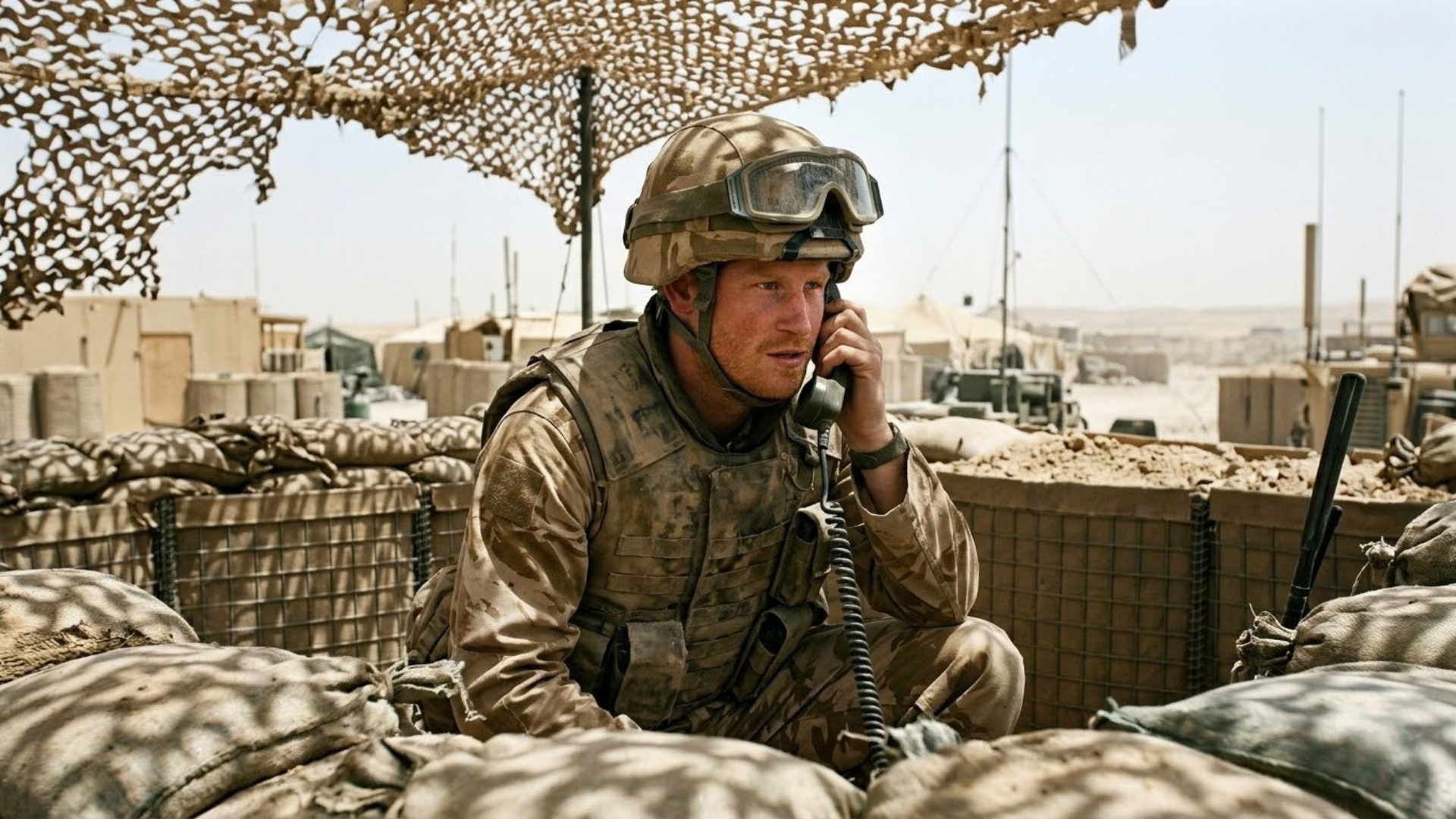
Prince Harry trained at the Royal Military Academy Sandhurst and joined the Blues and Royals regiment in 2006. Like many young officers, he wanted to serve on operations with his men.
In 2007, plans for him to deploy to Iraq were cancelled after military chiefs decided the risk was too high. His presence, they said, would make him and those around him a target. Harry was reported to be bitterly disappointed.
Later that year, a different plan was agreed. In December 2007, Harry was quietly flown to Helmand province in southern Afghanistan, where he served as a forward air controller, helping to call in air support for troops on the ground.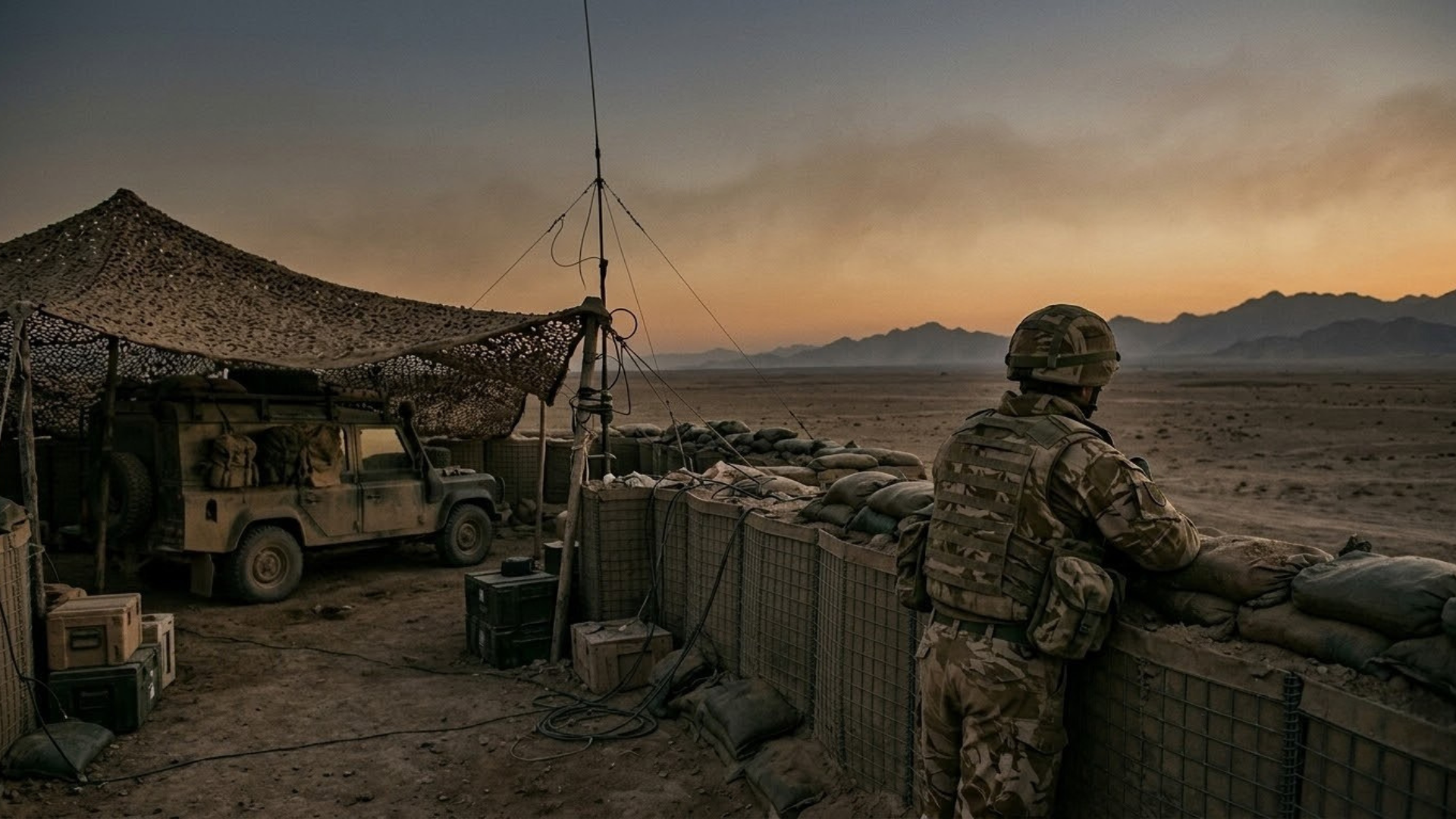
To protect him, the Ministry of Defence made an unusual agreement with the British media. Newspapers and broadcasters agreed not to report on his deployment while he was there. In return, they would be given access to interviews and footage after he returned.
For around ten weeks, the arrangement held. Harry lived like any other soldier, sleeping in basic conditions, eating ration packs and working long shifts. Few of the local fighters around him knew who he was.
But the secret could not last. A foreign magazine mentioned it, and on 28 February 2008, an American news website published the story, which quickly spread around the world.
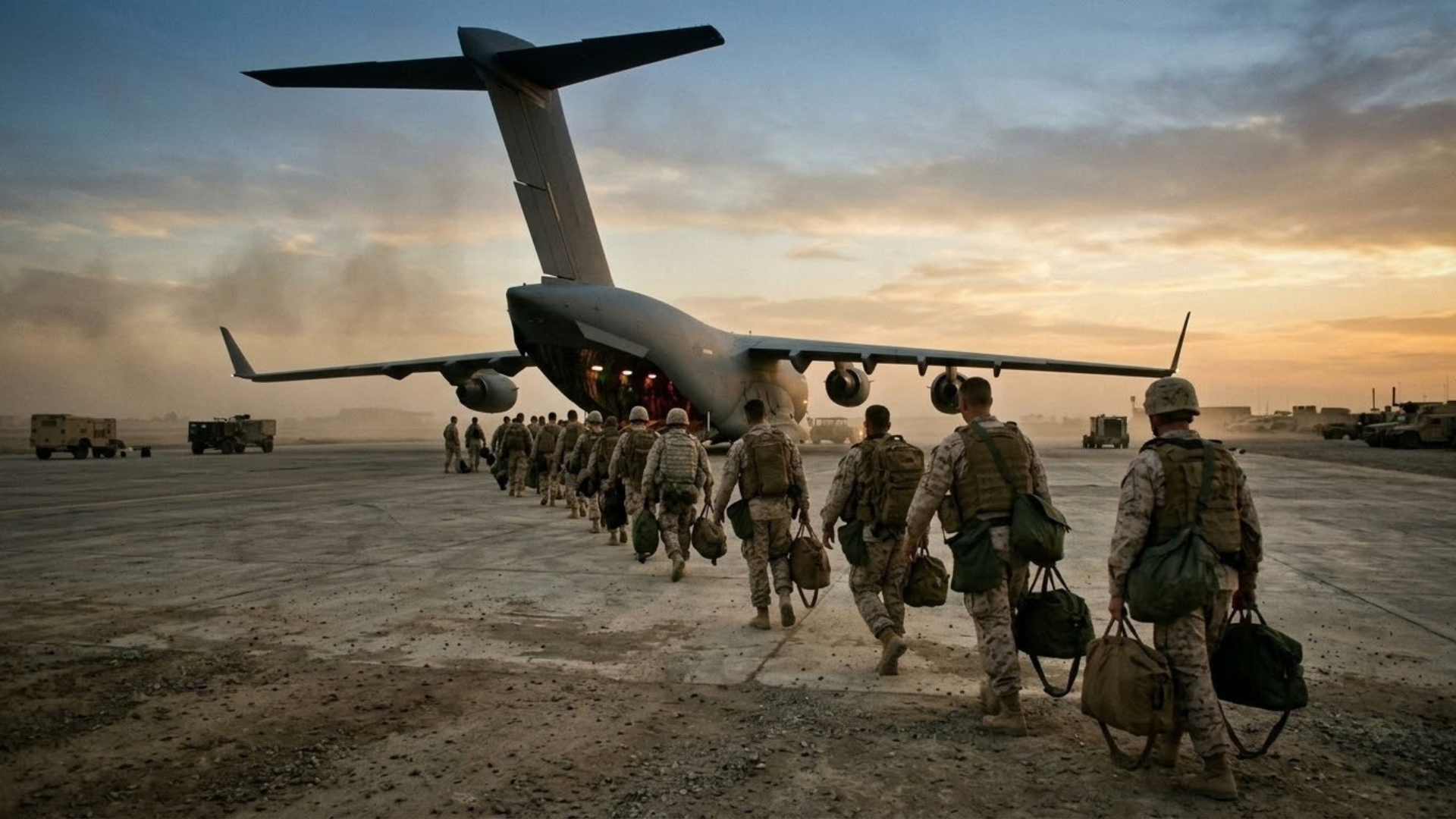
The Ministry of Defence acted fast. Fearing that Harry and the soldiers around him could now be targeted, it decided to bring him home. He left Afghanistan on 1 March 2008.
In interviews released afterwards, Harry said he was disappointed and angry to be pulled out, and that he did not want to leave the men he had served alongside. He said he had felt like a normal soldier for the first time.
Harry did not give up. He trained as an Apache attack helicopter pilot and returned to Afghanistan in 2012 for a second tour. His military career remained one of the proudest parts of his life, and later inspired him to found the Invictus Games for wounded service personnel.