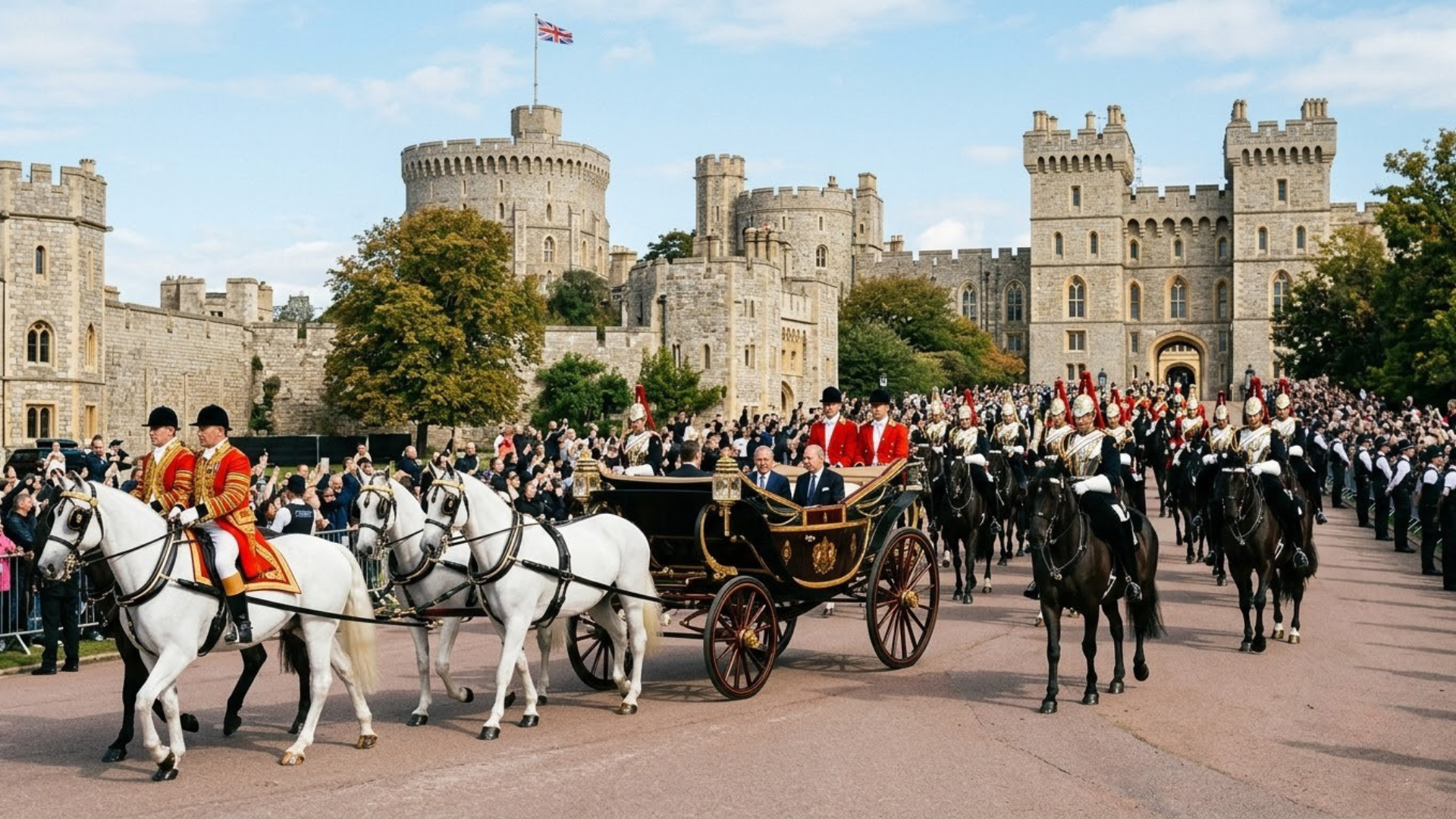
A state visit is the highest honour Britain can offer to a foreign leader. It is a formal invitation from the monarch, on the advice of the government, and it comes with ceremonies, pageantry and a lavish banquet.
Donald Trump had already received a state visit during his first term as President, in 2019, hosted by Queen Elizabeth II. In September 2025, during his second term, he returned for another, this time hosted by King Charles III.
It was highly unusual for an American president to be given a second state visit. Supporters said it showed the importance of the relationship between Britain and the United States. Critics said the honour should not have been repeated.
Normally, state visits to London are centred on Buckingham Palace, with a procession along the Mall. But the palace was undergoing a major renovation, so this visit was held at Windsor Castle instead.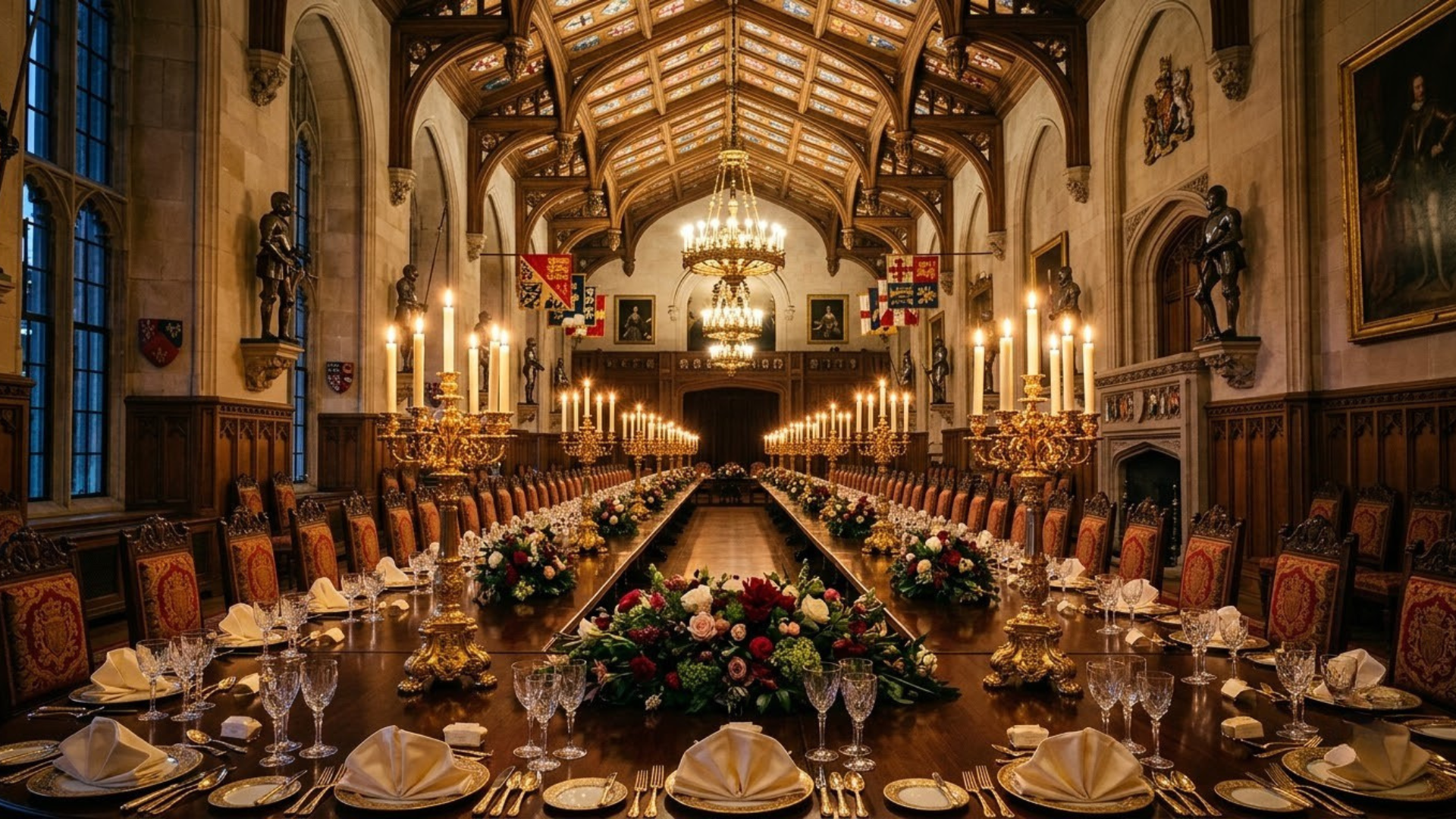
The welcome was full of tradition. There was a carriage procession through the grounds, with soldiers on horseback in ceremonial uniforms, military bands and guards of honour.
In the evening, the King hosted a state banquet. Guests in formal dress sat at a long table glittering with silver and crystal, and speeches were made about the long friendship between the two nations. It was a display of royal hospitality on the grandest scale.
Outside the castle walls, the atmosphere was very different. In London, protesters gathered to oppose the visit, carrying banners and making speeches against the President’s policies.
At Windsor, images were projected onto one of the castle’s towers without permission. The incident led to arrests by police, and it was widely reported during the visit.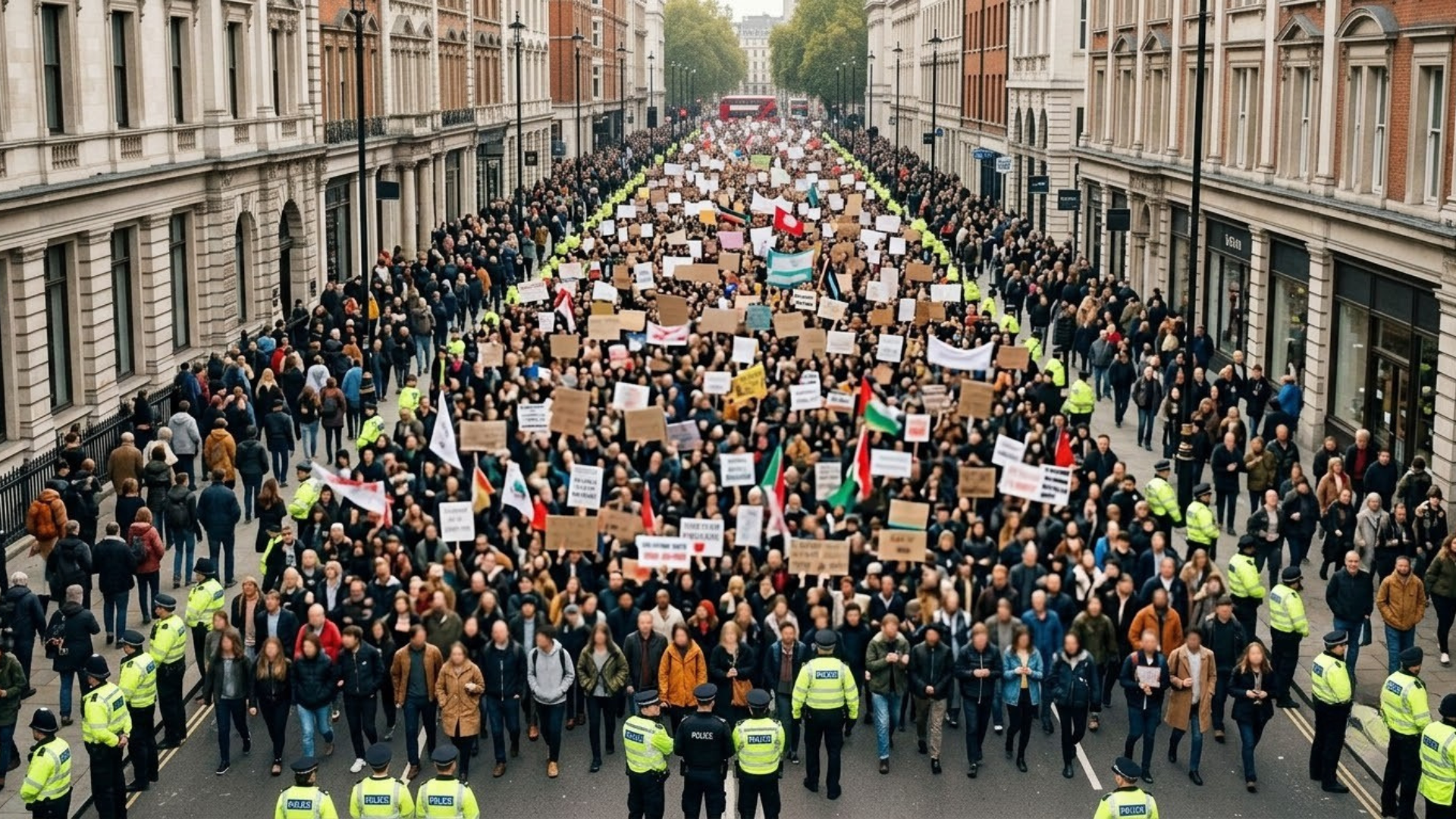
For the royal family, it was a delicate balancing act. The King was expected to welcome the President warmly as a guest of the nation, while staying above the political arguments that the visit created.
In the end, the second state visit produced two very different sets of pictures. Inside Windsor, there was gold, music and ceremony. Outside, there were crowds who wanted the world to know that not everyone in Britain was celebrating.