The National Archives in Kew, south-west London, hold millions of government documents. Many of them stay out of the headlines for years, until a researcher or journalist finds something unexpected.
In June 2021, The Guardian published a report based on papers it had found there. The documents dated from the late 1960s, a time when Britain was debating new laws against racial discrimination.
According to the papers, the Queen’s chief financial manager had a conversation with civil servants about employment in the royal household. The documents recorded him as saying that it was not the practice to appoint “coloured immigrants or foreigners” to clerical, or office, roles.
The report suggested that people from ethnic minority backgrounds could be employed in other roles, such as domestic work, but not in office jobs. The documents were described as accounts written by civil servants about what they had been told.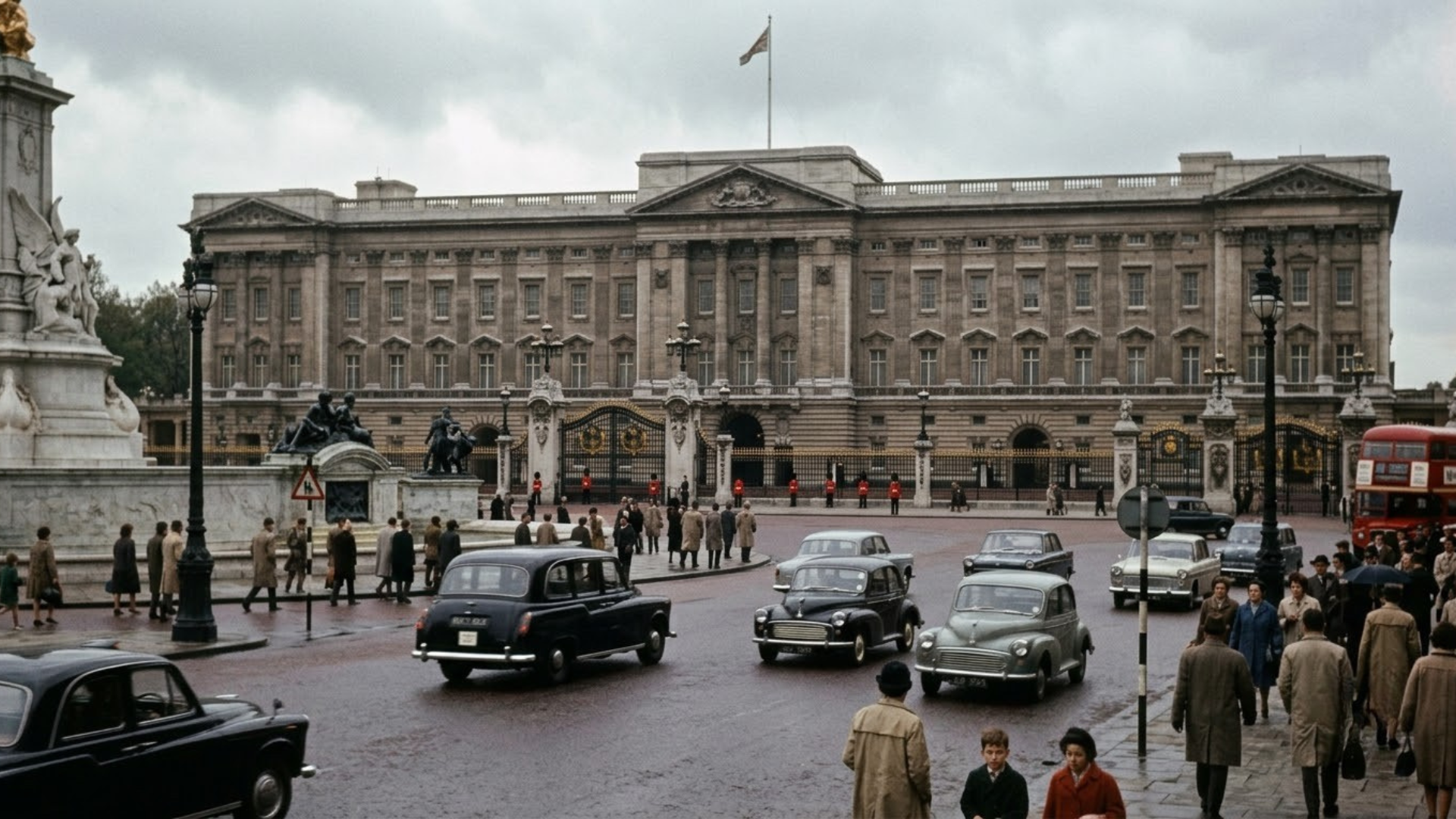
The story caused shock when it was published. It came only a few months after the Duke and Duchess of Sussex had spoken in a major television interview about race and the royal family, so the subject was already very sensitive.
Buckingham Palace responded quickly. It said that claims based on second-hand accounts of conversations from over 50 years ago should not be used to draw or infer conclusions about modern-day events or operations.
The palace also stressed that it complies with equality laws today, both in principle and in practice. It pointed to its work to increase diversity among its staff.
Critics said the papers showed attitudes at the very top of British society that needed to be honestly faced. Others said it was unfair to judge the monarchy of today by a second-hand note from more than half a century ago.
The documents did not show what the Queen herself thought, and there was no suggestion in the reports that she had written the words. But they raised uncomfortable questions about the past.
In the end, the story was a reminder of how history can return without warning. Papers written in a quiet government office in the 1960s had, decades later, become front-page news.