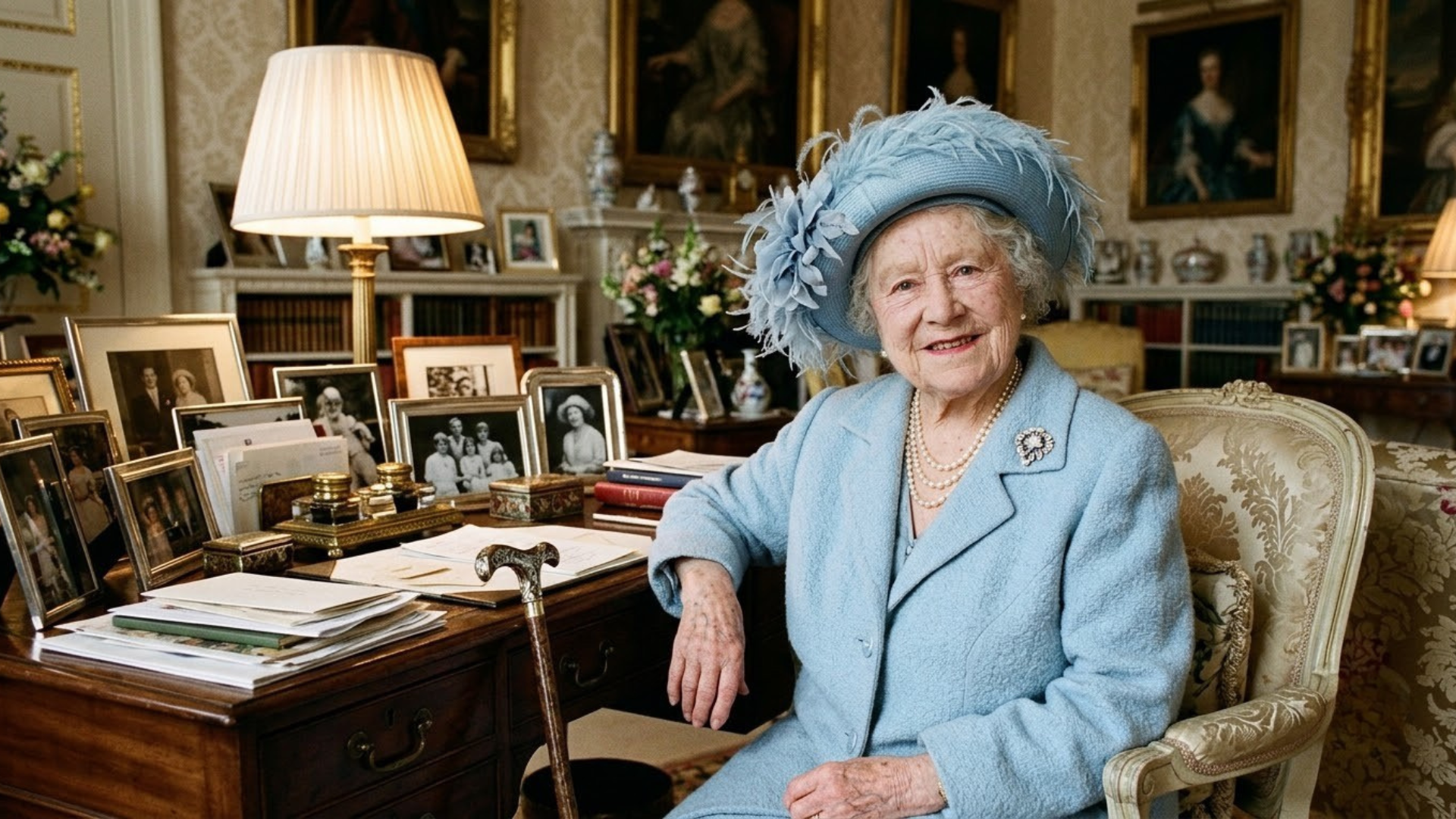
Queen Elizabeth the Queen Mother was one of the most popular members of the royal family for decades. She had stood by her husband, King George VI, through the Second World War, and later became a much-loved figure in pastel hats and pearls.
She died peacefully at Royal Lodge, Windsor, on 30 March 2002, aged 101. More than a million people were reported to have turned out on the day of her funeral, and many queued for hours to pay their respects as she lay in state.
But in the weeks after her death, a very different story began to appear in the newspapers.
According to widely published reports, the Queen Mother had built up a huge overdraft with Coutts, the private bank long used by the royal family. The figure was reportedly in the millions of pounds. The exact amount was never officially confirmed.
The Queen Mother had lived in great style. She kept several homes, including Clarence House in London and the Castle of Mey in Scotland, and employed a large household. She loved horse racing, fine food and entertaining friends, and she built up an important art collection.
Her official income came from public funds, but her way of life reportedly cost far more. Friends had long joked that she never worried about money.
After her death, her estate passed to her daughter, Queen Elizabeth II. The Queen reportedly settled the overdraft, quietly and privately.
The handling of the estate then caused a fresh debate. Under an agreement made in 1993, property passing to the sovereign was exempt from inheritance tax. This meant that the Queen Mother’s estate, including valuable paintings, jewellery and other possessions, could pass to the Queen without the tax that ordinary families would have to pay.
The revelation surprised many people because the Queen Mother had always seemed so careful and traditional in public. Few had ever thought about how her grand way of life was paid for.
Critics said the arrangement was unfair. Supporters argued that it existed so that the monarchy’s property was not broken up over generations, and that much of what was inherited would remain linked to the Crown.
For many people, the revelation did little to dim their affection for the Queen Mother. But it showed that, behind the smiles and the waves, even the most beloved royal could leave a surprising secret behind.