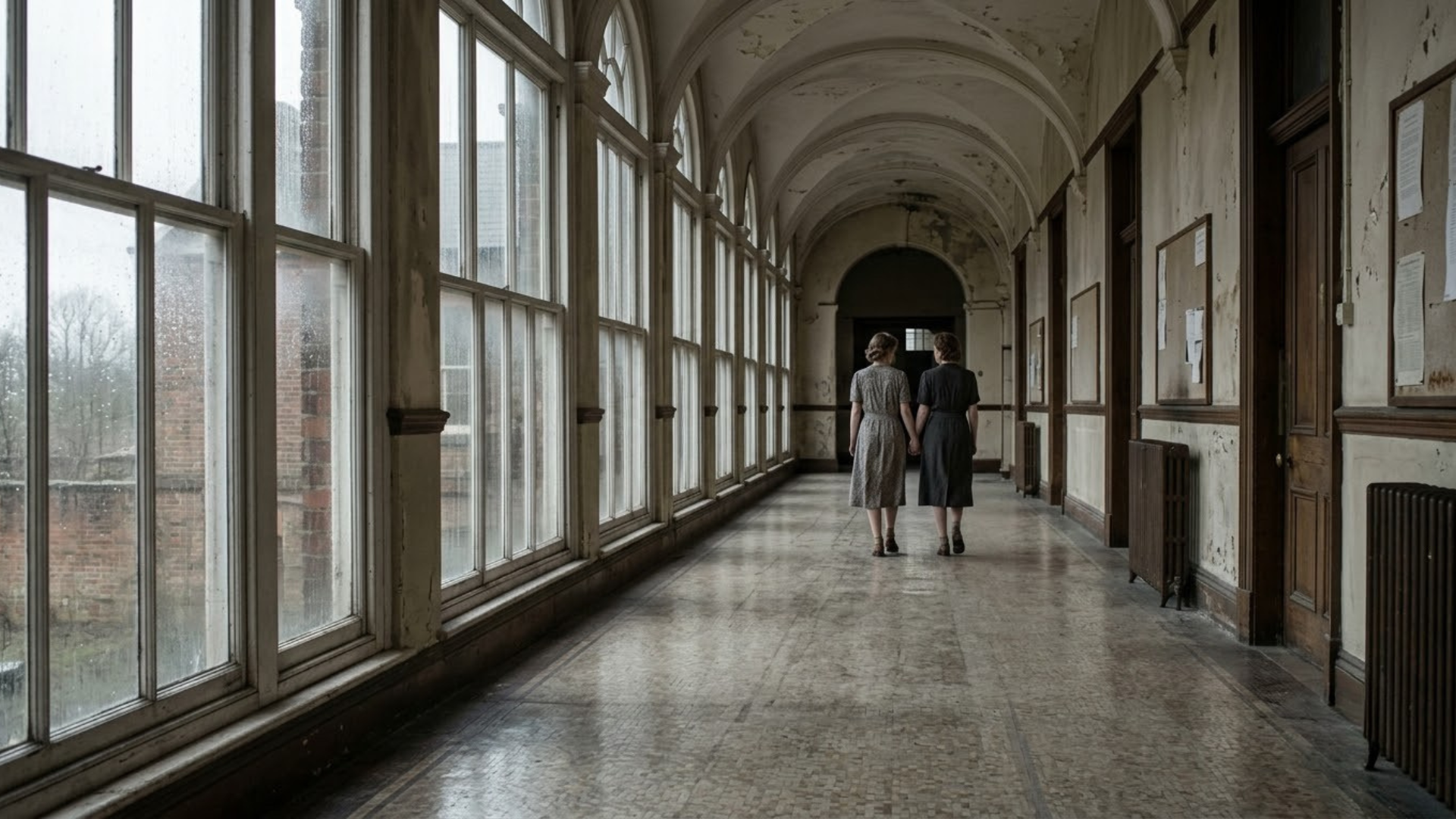
Nerissa and Katherine Bowes-Lyon were born into one of Britain’s best-known aristocratic families. Their father, John Bowes-Lyon, was a brother of Elizabeth Bowes-Lyon, who later became Queen Elizabeth the Queen Mother. That made the two girls first cousins of the future Queen Elizabeth II.
Both sisters had serious learning disabilities. They were reported to have had very little speech, and they needed constant care throughout their lives.
In 1941, Nerissa and Katherine were admitted to the Royal Earlswood Hospital in Redhill, Surrey, an institution that cared for people with learning disabilities. At the time, it was common for families to place disabled relatives in such institutions, often for life.
The sisters would remain there for decades, far from the public life of their famous relatives. Few people outside the family knew they existed.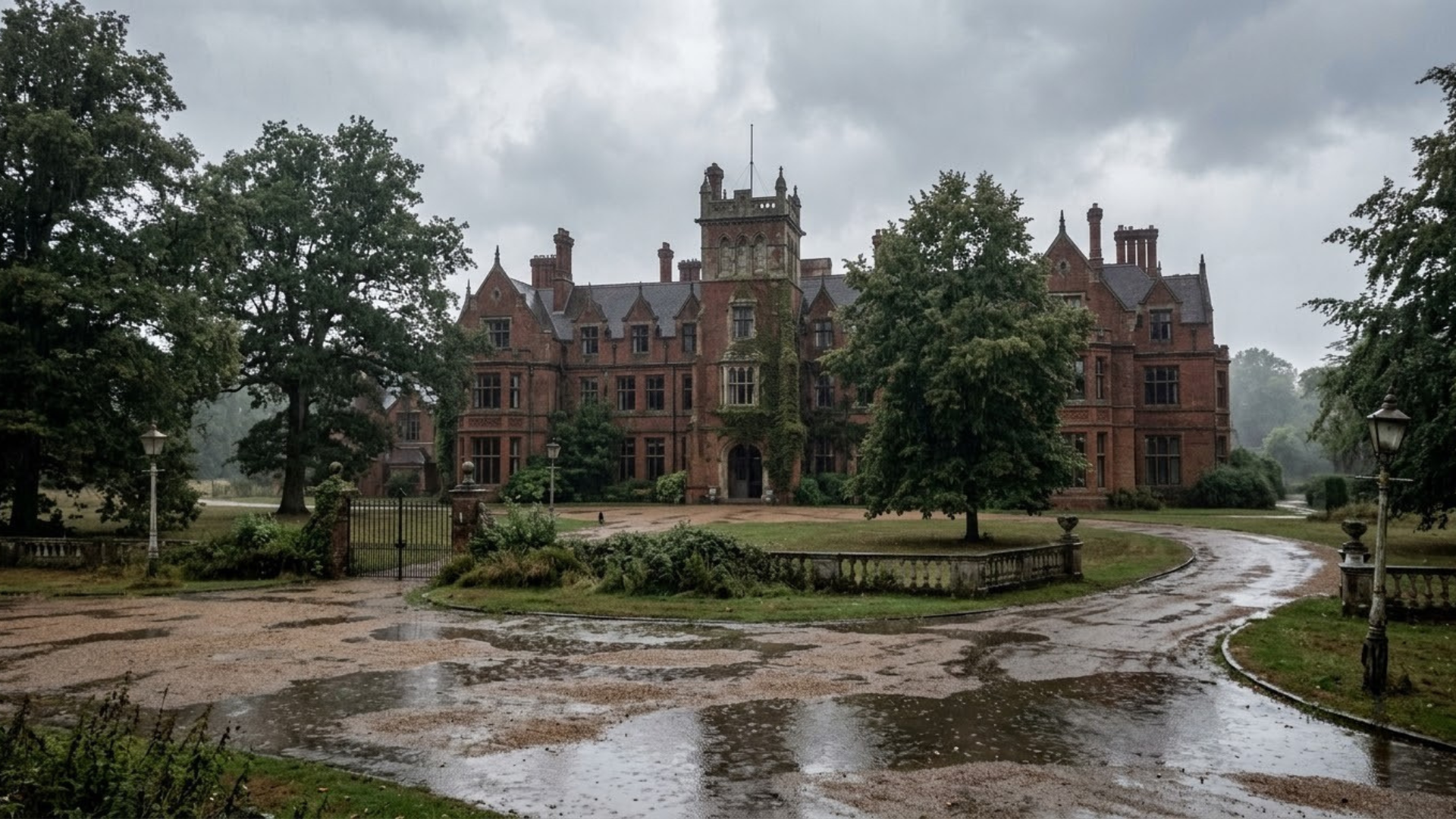
In the 1960s, Burke’s Peerage, a respected guide to the British aristocracy, listed both sisters as having died. The information was wrong. Nerissa and Katherine were alive, living quietly at Earlswood.
Nerissa died in 1986. She was buried in a local cemetery, and her grave was marked only with a plastic tag and a number. For many people, that simple detail later became a symbol of how completely the sisters had been forgotten.
In 1987, the story broke in the press. The public was shocked to learn that close relatives of the Queen had lived for so long in an institution, while officially recorded as dead. Questions were asked about how often family members had visited, and about who had provided the wrong information.
In 2011, Channel 4 broadcast a documentary called The Queen’s Hidden Cousins, which looked again at the sisters’ lives and the attitudes of the time.
In the years that followed, the story was often retold in newspapers and books. Many readers were moved by the image of two sisters, cut off from the glittering world of their family, living out their lives quietly and almost unseen.
Supporters of the family pointed out that attitudes in the 1940s were very different, and that doctors at the time often advised families to place disabled children in care. Critics felt that a family with such wealth and influence could have done far more.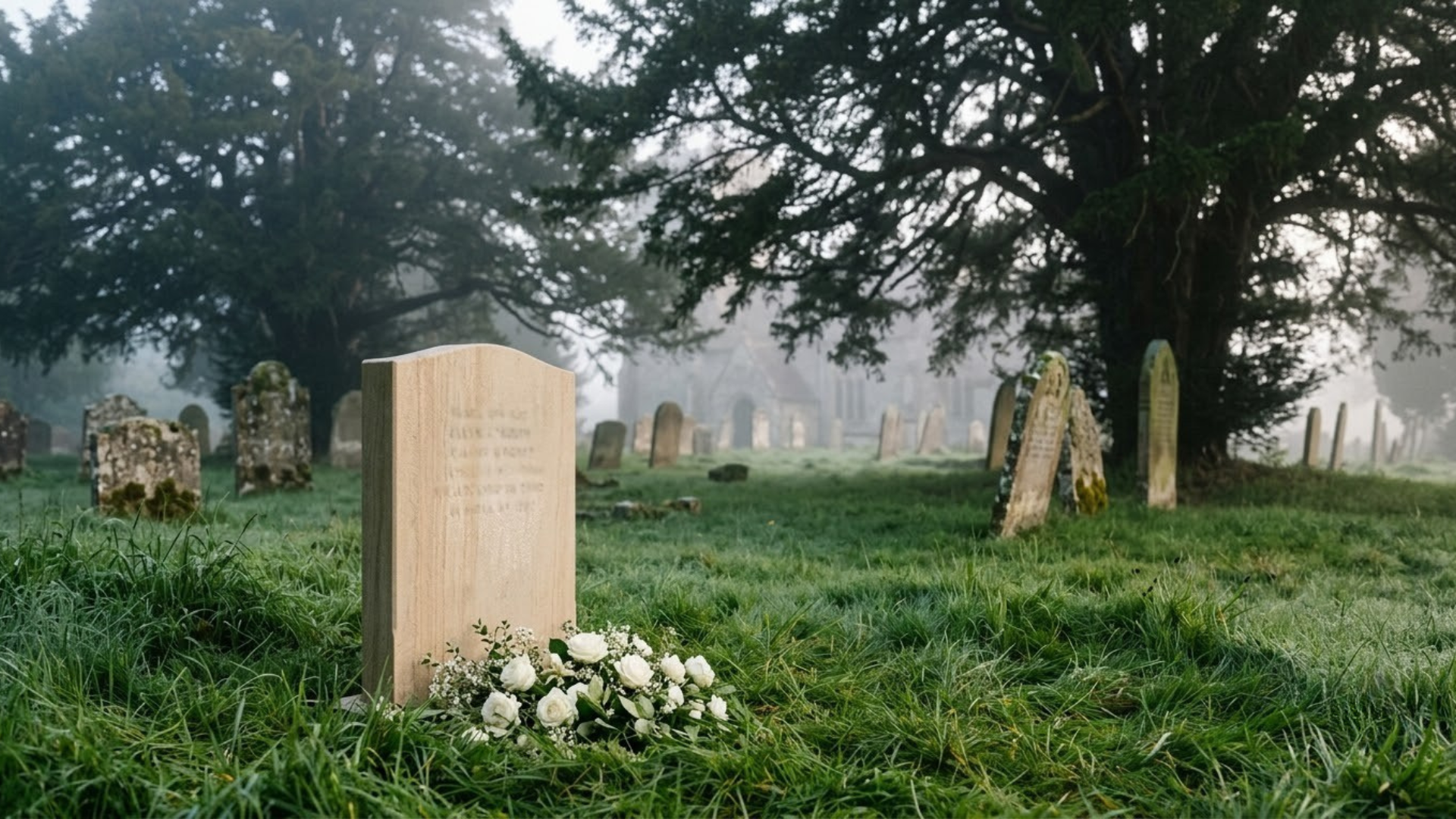
Katherine lived on for many more years. Nerissa’s grave was later given a proper headstone.
Their story is not only about one family. It is a reminder of how society once treated people with disabilities, hidden away and too often forgotten, and of how much attitudes have changed since then.