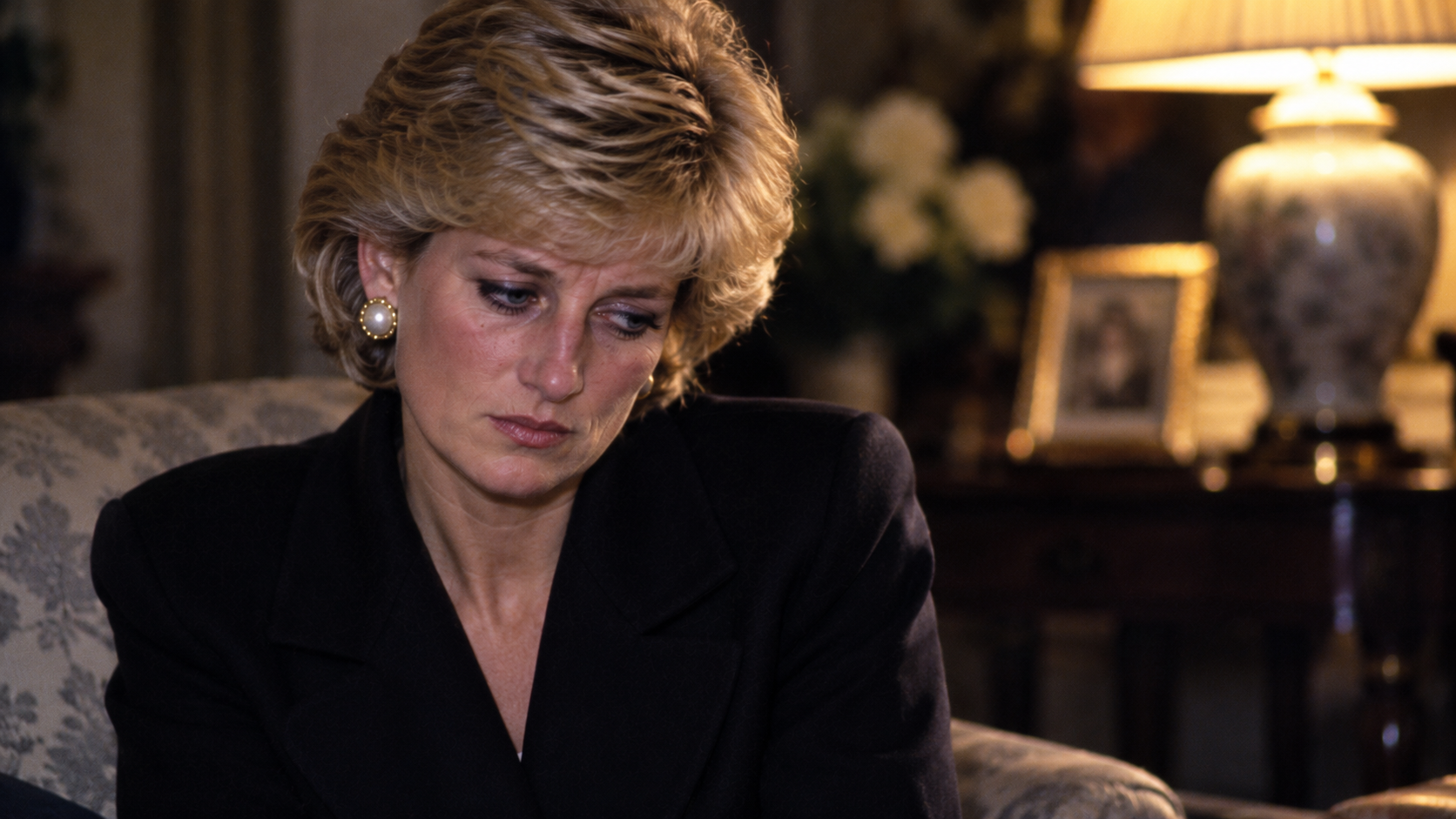
On 20 November 1995, Princess Diana’s Panorama interview was broadcast by the BBC. Around 23 million people watched as she spoke openly about her marriage, her struggles and life inside the royal family.
The interview shocked the palace. During it, Diana suggested that people around her husband saw her as a threat and wanted to keep her out of the way.
Prince Charles’s friends were angry. They felt the interview was deeply unfair to him. And soon, one of them decided to speak publicly.
Nicholas Soames was a Conservative MP and a minister in the government. He was also one of Charles’s oldest and closest friends, and a grandson of Sir Winston Churchill.
Soames was known for his loud, larger-than-life personality and his fierce loyalty to the Prince. Few people were surprised that he defended his friend. What shocked them was the language he chose.
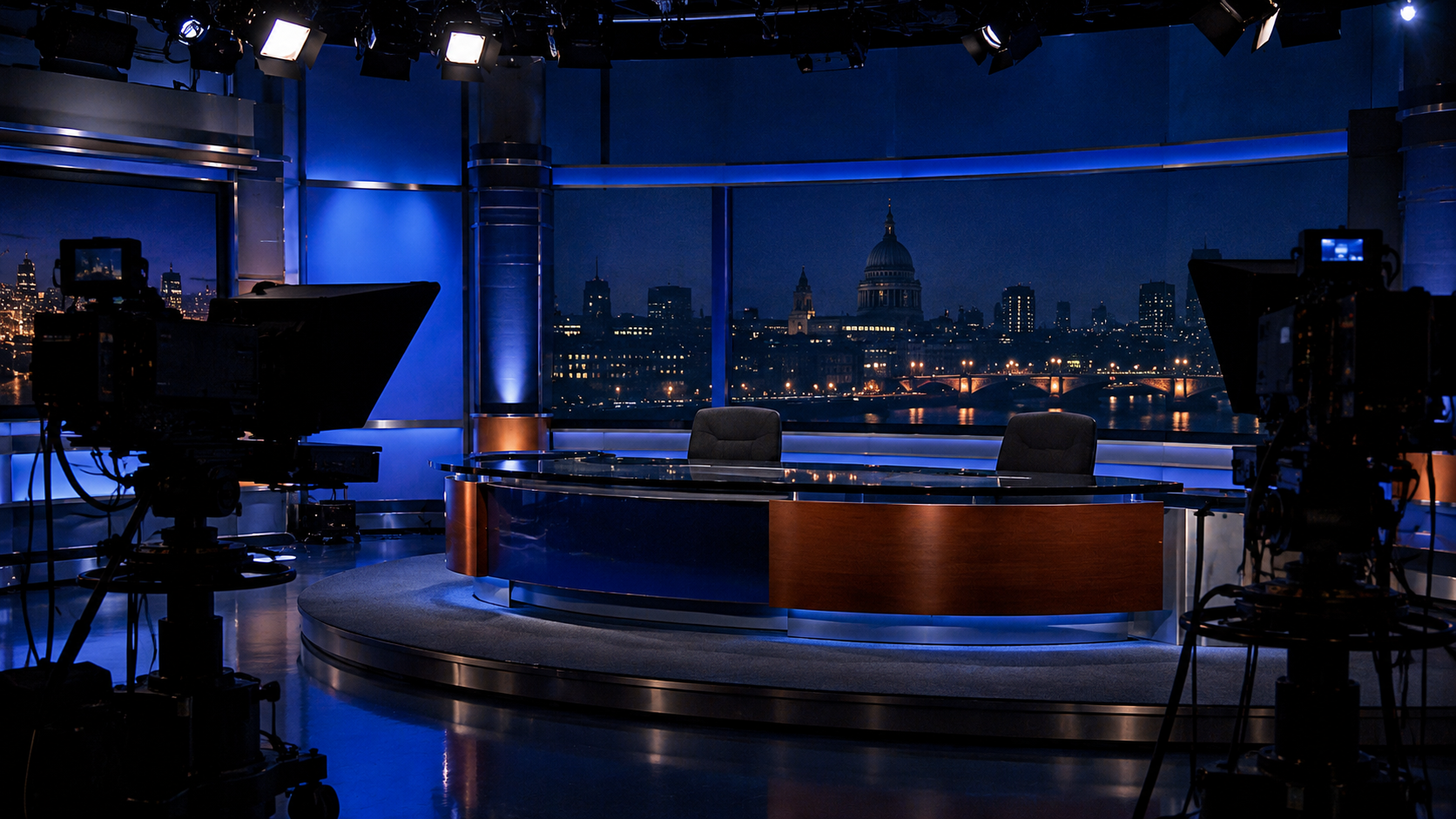
Soon after the broadcast, Soames appeared on BBC Newsnight. Asked about the interview, he said Diana was showing ‘the advanced stages of paranoia’.
The words caused an immediate storm. Diana had spoken in the interview about her battle with bulimia and her depression. To many viewers, using the language of mental illness against her felt cruel.
Her supporters were furious. They saw the remark as a planned attack from Charles’s camp, designed to make the public doubt what she had said. Newspapers and members of the public condemned him.
Others defended Soames. They said he was a loyal friend standing up for a man who could not answer back, and that he was simply saying what many in Charles’s circle privately believed.
The row also showed how deeply divided Britain had become over the royal marriage. Some people sided with Charles, others with Diana, and almost everyone seemed to have an opinion about who was to blame.
For Diana’s friends, the comment became a symbol of how she was treated by the establishment after Panorama. It added to the bitterness between the two sides of a marriage that was already over in all but name.
Within weeks, the Queen would write to Charles and Diana urging them to divorce. But the ‘paranoia’ remark lived on as one of the harshest public attacks Diana ever faced.