In January 1994, Prince Charles was on an official visit to Australia. His marriage to Diana had broken down, and they had separated more than a year earlier, but he carried on with his royal duties abroad.
On 26 January, Australia Day, he was guest of honour at an outdoor event at Darling Harbour in Sydney. Thousands of people had gathered in the summer sunshine, and the Prince was about to speak.
Suddenly, a young man ran out of the crowd and towards the stage. Two loud shots rang out. For a terrifying moment, many people believed the heir to the throne was being shot at.
Within seconds, the man was tackled to the ground. Among those who threw themselves at him were the New South Wales Premier, John Fahey, and the campaigner Ian Kiernan. Police and security officers quickly took over. 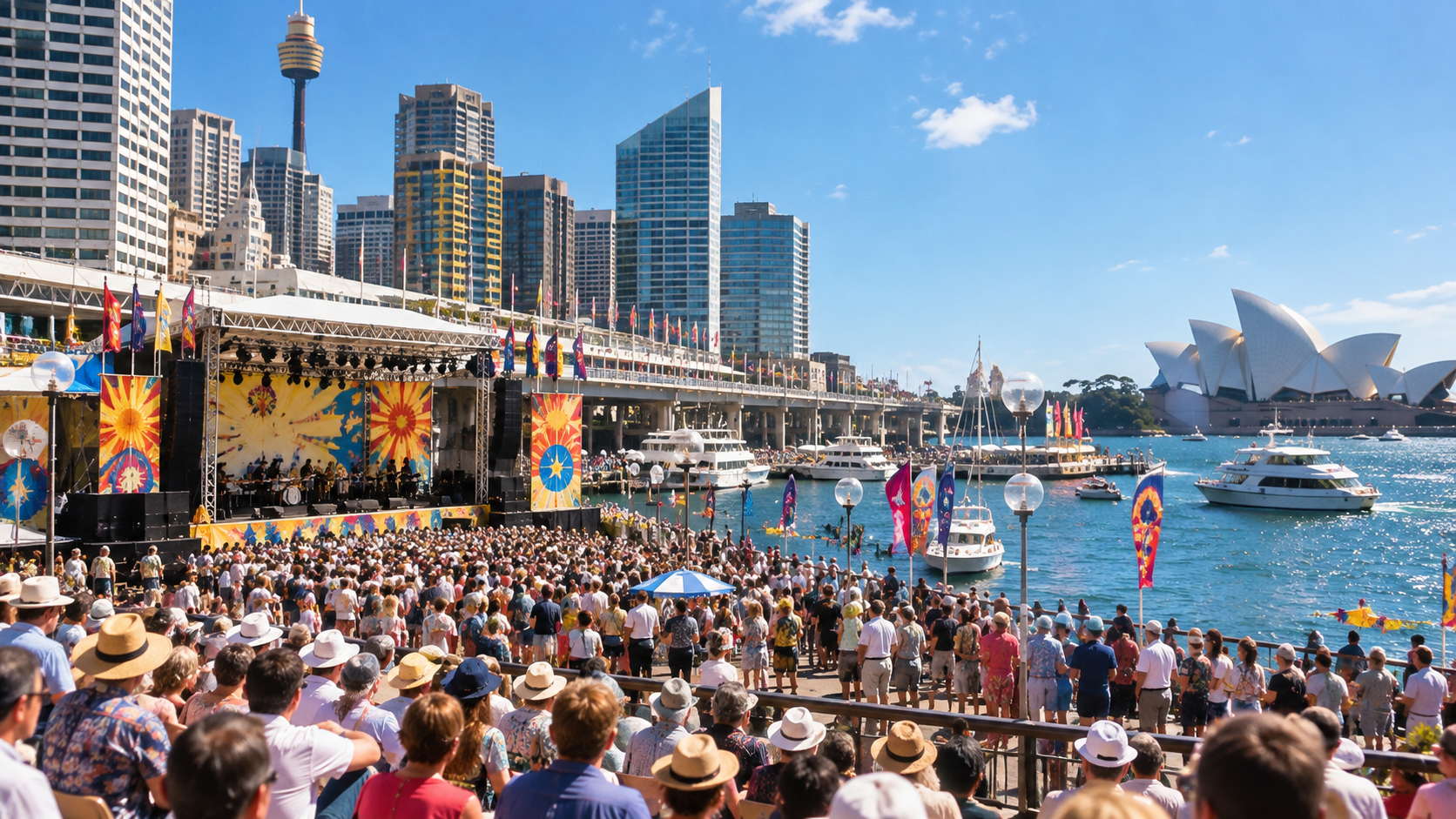
Some in the crowd thought it was part of the celebrations at first. Others screamed and ducked. Television cameras captured the confusion as officials scrambled across the stage.
It soon became clear that the gun was a starting pistol, the kind used at athletics races, and that it had been loaded with blanks. No one was hurt.
The man was named as David Kang, a young student. Reports said he wanted to draw attention to the treatment of Cambodian asylum seekers held in Australian detention.
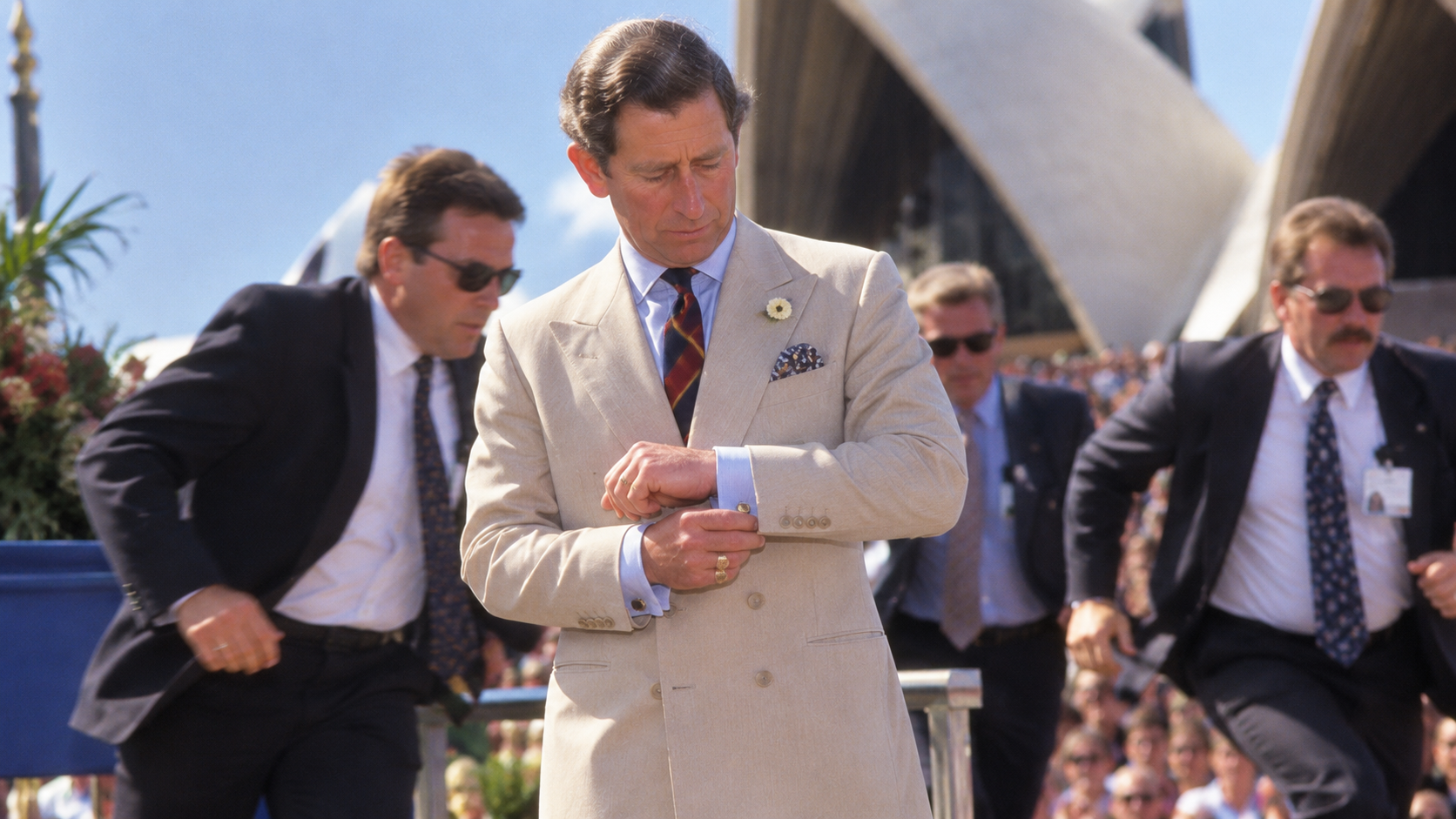
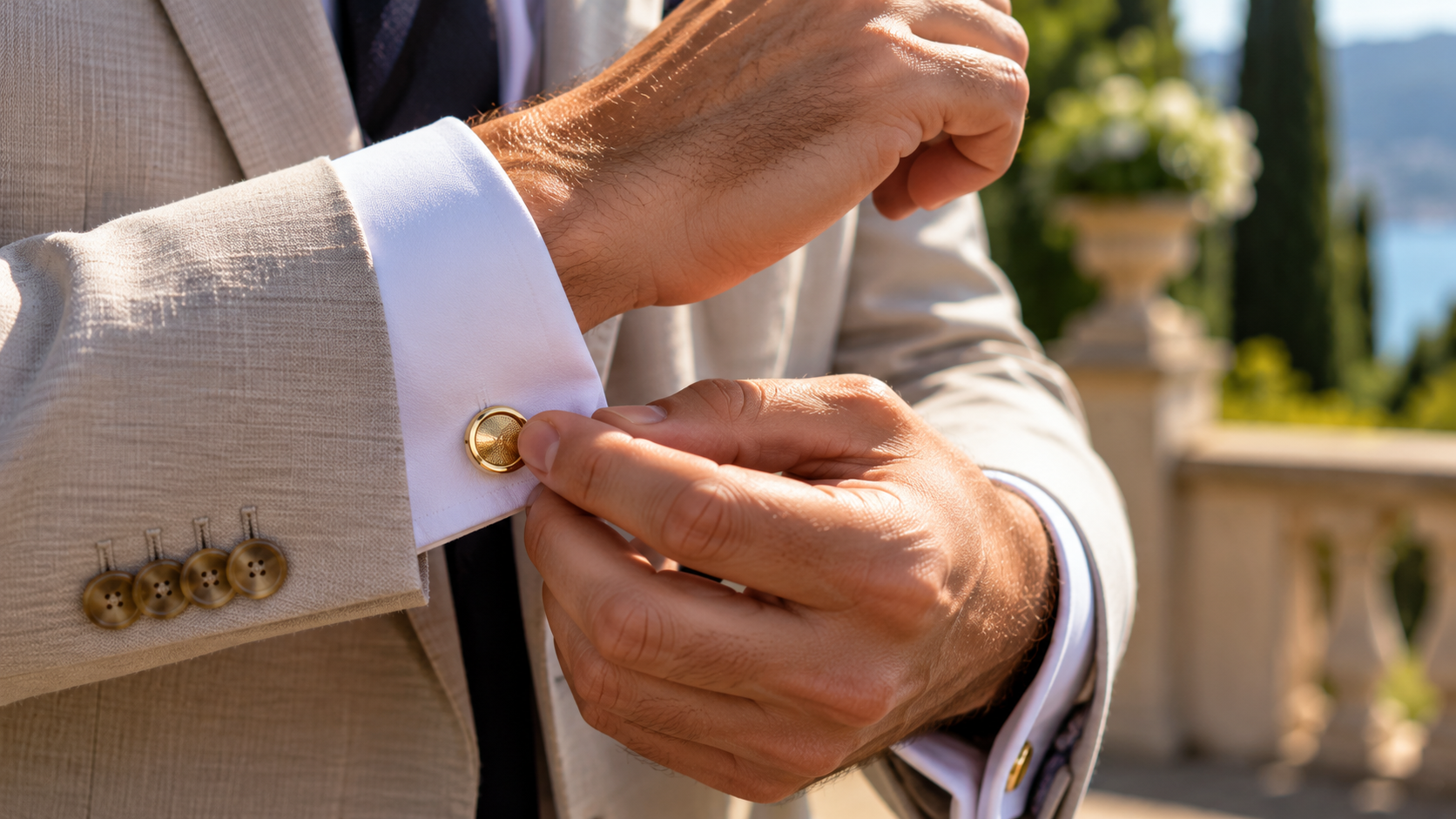
What amazed people most was Charles himself. He barely moved. Photographs captured him standing still and calmly adjusting his cufflinks as the struggle went on beside him.
Newspapers around the world praised his composure. At a difficult time in his life, when his private life was making headlines, this was a moment that showed a very different side of him.
Kang was later dealt with by the courts in Australia. The palace said little, and Charles carried on with the rest of his tour as planned, appearing at public events in the days that followed as if nothing had happened.
The incident also raised serious questions about royal security. How had a man been able to get so close to the stage?
For many Australians, it is still remembered as the day a royal visit almost turned into a tragedy, and the day the Prince refused to flinch.