In January 1997, Princess Diana was no longer a working member of the royal family. Her divorce had been finalised the previous summer, and she had cut back her charity work to a handful of causes. One of them would define the last year of her life: the campaign against landmines.
Angola had been devastated by decades of civil war. Millions of landmines were buried across the country, and every year they killed or maimed thousands of ordinary people, many of them farmers and children walking to fields, wells and schools.
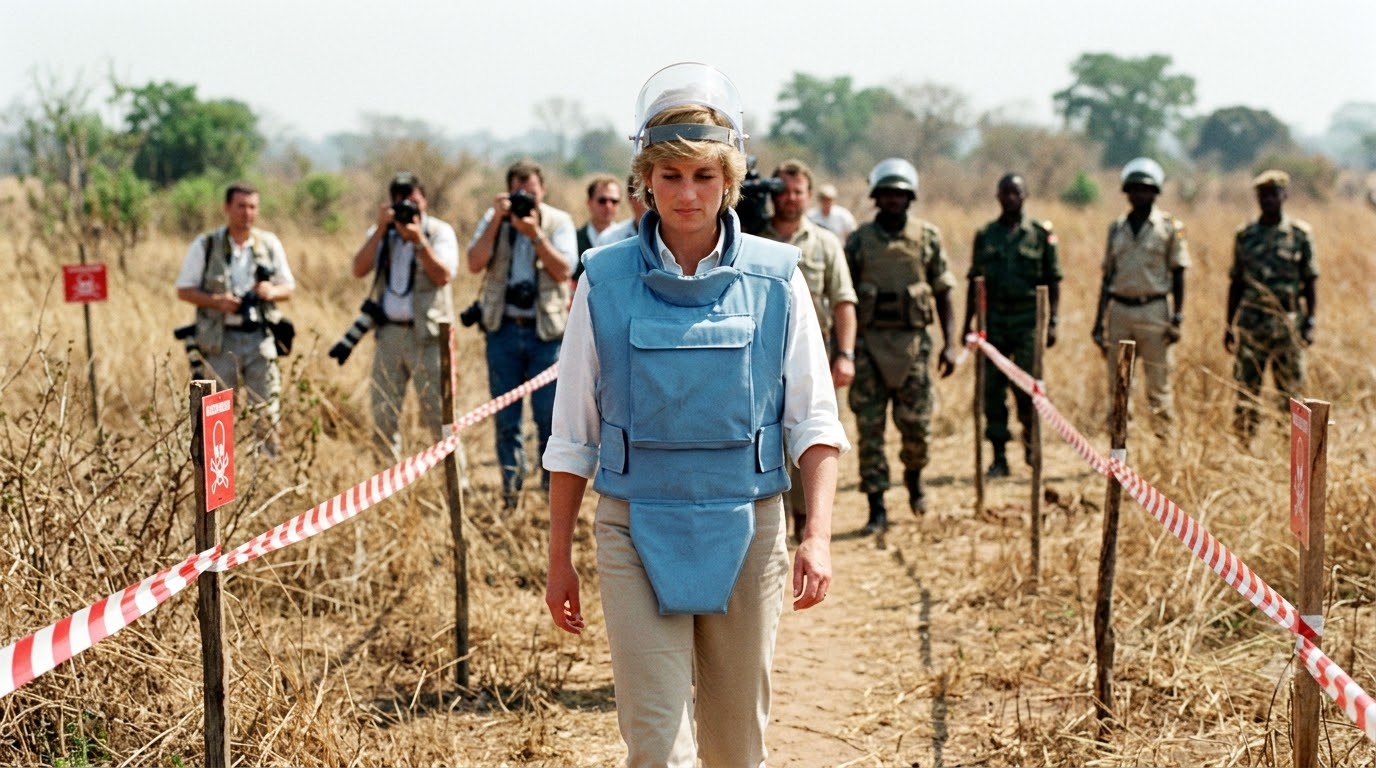
Diana travelled there with the British Red Cross and spent time with the HALO Trust, a charity that clears landmines. On 15 January 1997, in the city of Huambo, she put on a protective flak jacket and visor and walked slowly along a path that had been cleared through a minefield.
She knew exactly what the pictures would do. When some photographers missed the moment, she reportedly walked the path again so the image could be captured. Within hours, the photographs were on front pages around the world.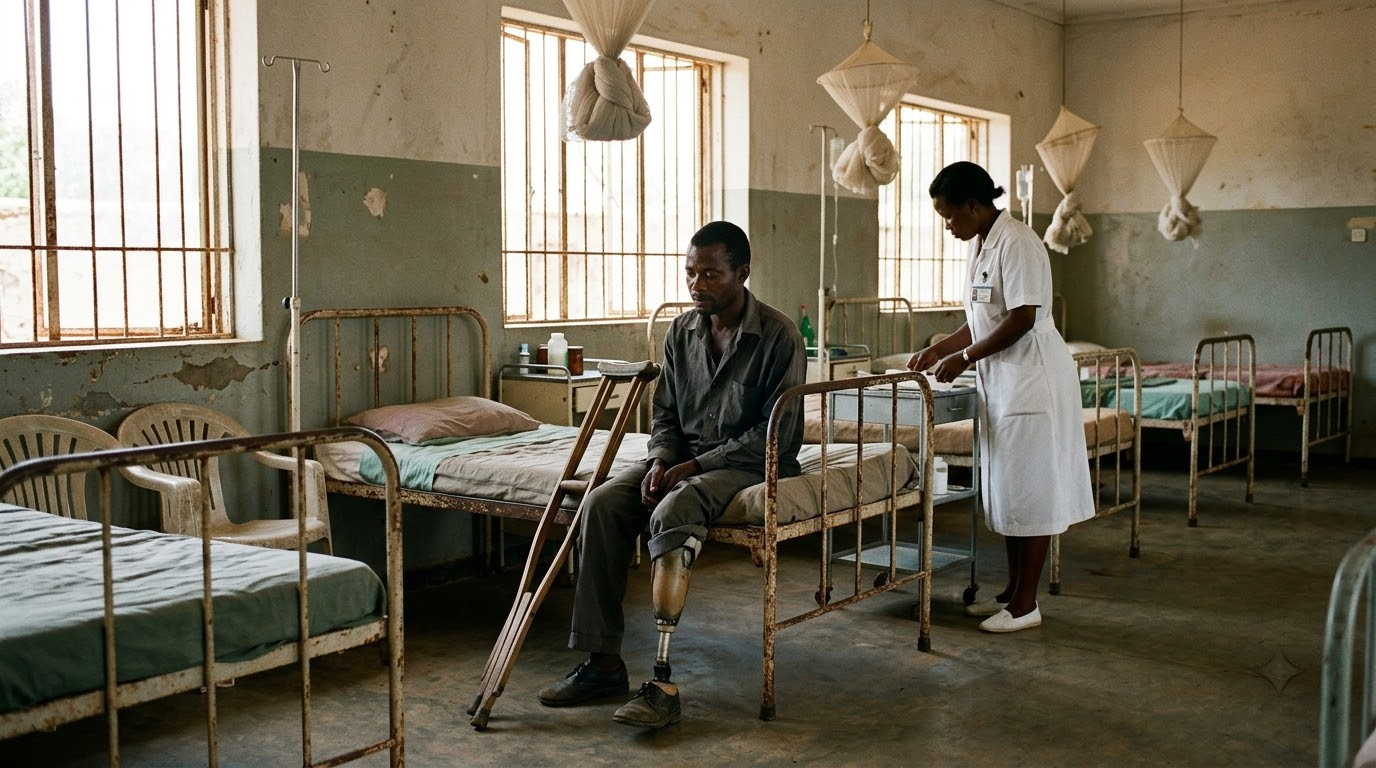
She also visited hospitals and met people who had lost limbs to mines. She listened to their stories and held their hands, and the cameras followed her there too.
Not everyone in Britain was pleased. The Conservative government had not committed to a full ban on landmines, and a junior defence minister, Earl Howe, publicly described her as a loose cannon who was being ill-advised. Some critics accused her of interfering in politics.
Diana refused to back down. She said she was a humanitarian figure, not a political one, and that she simply wanted to help. In August 1997, she visited Bosnia to continue the campaign.

She did not live to see what happened next. In December 1997, just over three months after her death, representatives of 122 countries signed the Ottawa Treaty in Canada, banning anti-personnel landmines. Britain was among them. Many campaigners said Diana’s walk in Angola had helped push the treaty over the line.
In 2019, her son Prince Harry visited Angola and walked in his mother’s footsteps in Huambo. The street where she had walked through the minefield was by then full of homes, shops and schools.
The woman once called a loose cannon is now remembered as one of the most powerful voices the landmine campaign ever had.