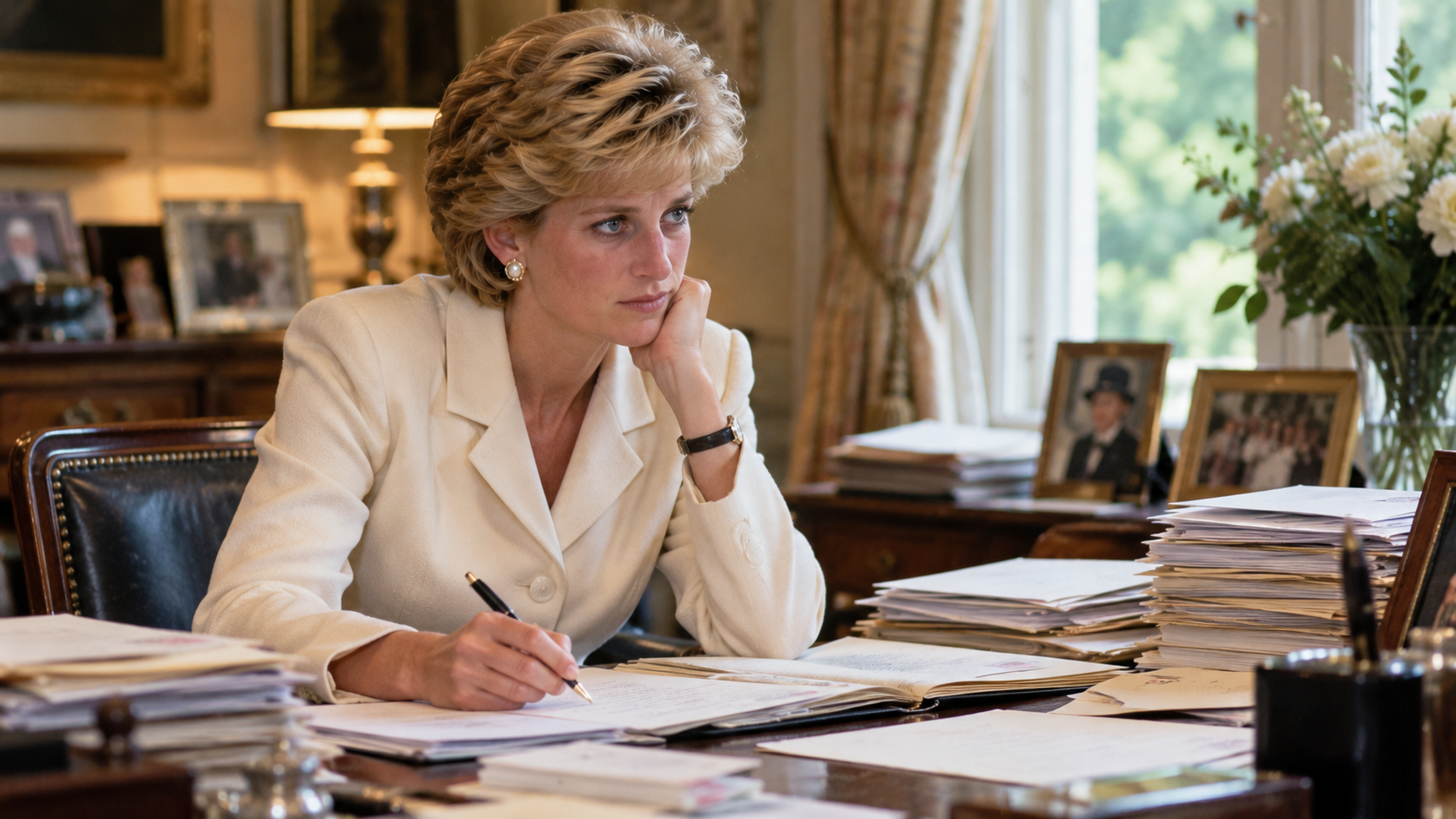
By the mid-1990s, Princess Diana was linked to around 100 charities and organisations. Her name on a letterhead could bring in money, attention and volunteers. For many smaller causes, her support was priceless.
Then, in the summer of 1996, everything changed. Diana and Prince Charles had agreed the terms of their divorce, and she would soon no longer be Her Royal Highness.
In July 1996, Diana announced that she was stepping back from almost all of her charity roles. Out of around 100, she kept just six.
The six were Centrepoint, the homeless charity for young people; the English National Ballet; Great Ormond Street Hospital; the Leprosy Mission; the National AIDS Trust; and the Royal Marsden Hospital, which treats cancer patients.
The news landed hard. Many charities found out with little warning and worried about what the loss of their royal patron would mean. Some leaders spoke publicly of their disappointment, and newspapers asked whether Diana was turning her back on good causes. For some small organisations, a royal name had opened doors to donors that might now close.
Diana’s side saw it very differently. She said she wanted to focus her time and energy on a small number of causes where she could make a real difference, rather than spreading herself thin.
Some observers also linked the decision to her new position after the divorce. Without the full support of the royal machine, keeping up so many roles would have been difficult.
There was also a sense that Diana was building a new kind of public life on her own terms. She no longer wanted to be a name on a list, but to be hands-on with issues she cared about.
In the year that followed, she became heavily involved in the campaign against landmines, which was not one of the six. It showed that her humanitarian work was far from over.
Today, the six charities she kept still proudly mention their link with her. And the decision of July 1996 is remembered as the moment Diana chose quality over quantity, even if it hurt many along the way. Several of them still talk about the personal visits she made, often without cameras.