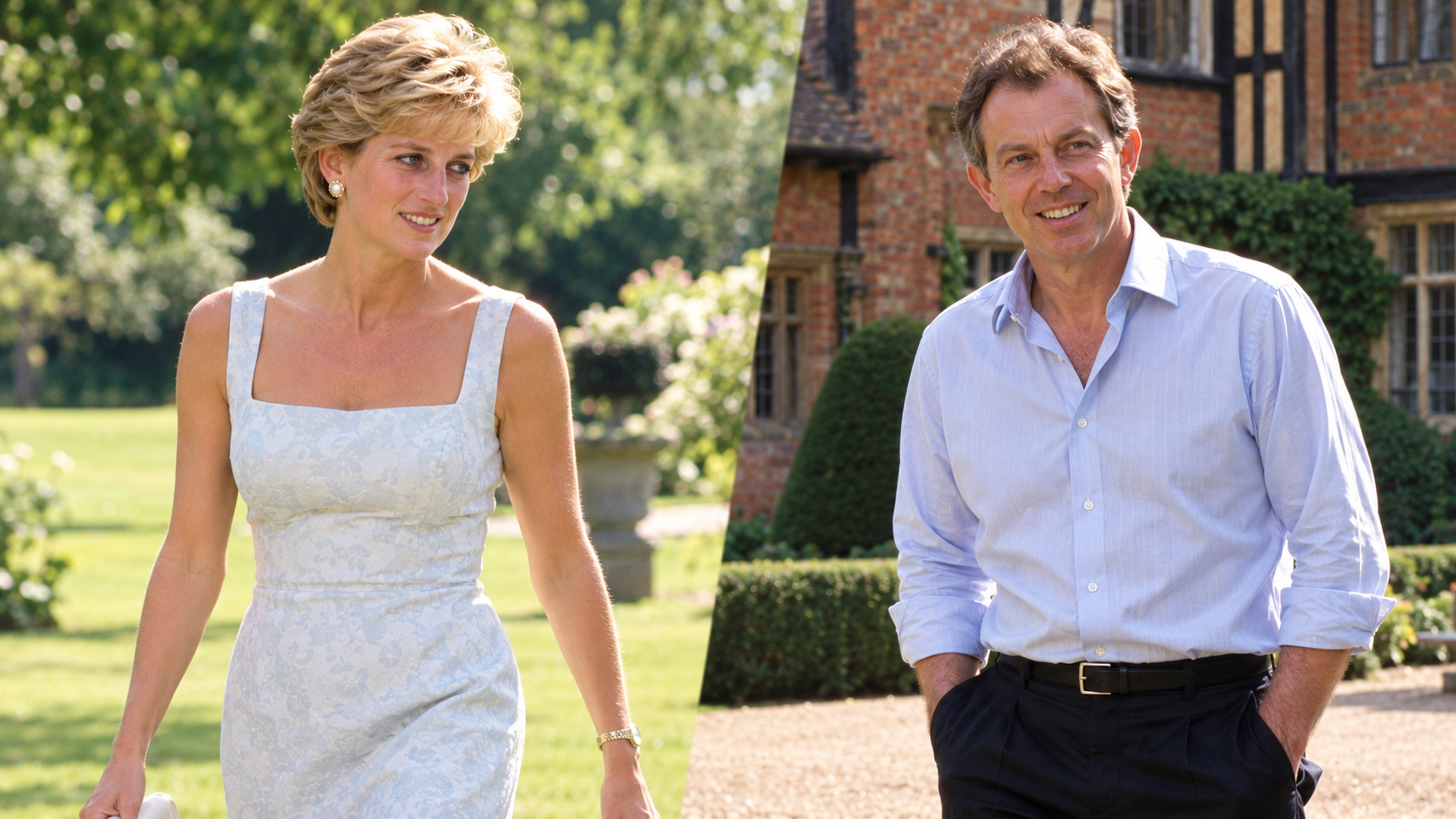
In May 1997, Tony Blair swept to power in a landslide general election. He was young, modern and promised a new kind of Britain. One of the people who took a keen interest in the new Prime Minister was Diana, Princess of Wales.
Diana was now divorced and no longer a working member of the royal family. Yet she was still one of the most famous women in the world, and her work on landmines had shown how much attention she could bring to a cause.
In the summer of 1997, Diana visited Blair at Chequers, the Prime Minister’s country house in Buckinghamshire. She brought Prince William, then 15, with her. It was a private visit, far from the cameras.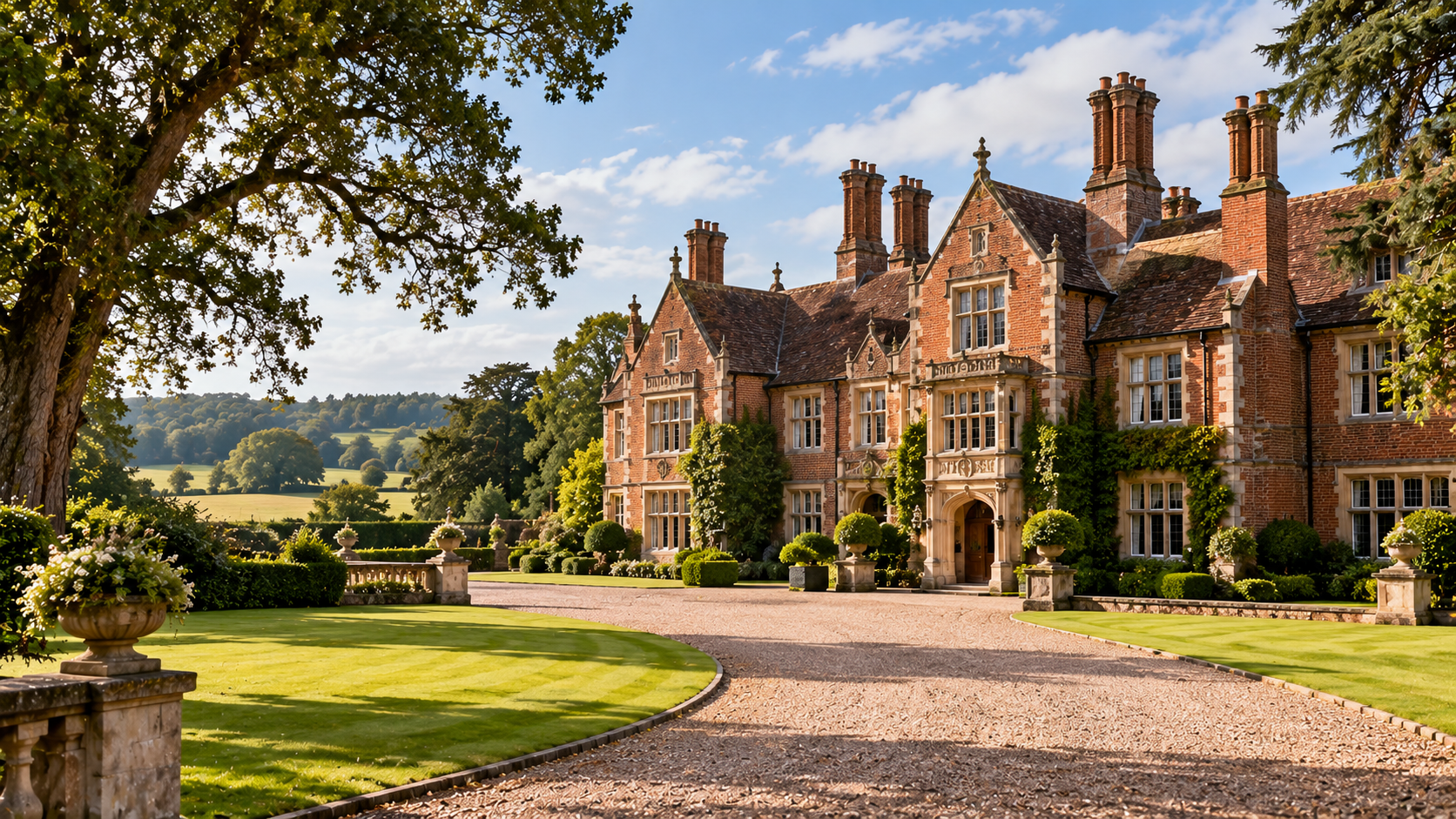
According to later accounts, a key topic was Diana’s future. She reportedly wanted a proper role where she could use her fame for good, and the idea of a kind of roving humanitarian ambassador for Britain was discussed.
Blair later wrote about his relationship with Diana in his memoir. He described her as a remarkable figure with a rare gift for connecting with people, while also noting she could be unpredictable.
The idea raised difficult questions. Diana was no longer a working royal, and any official role would have needed careful handling with the palace. Some at court were reportedly wary of her having a separate public platform. There were also worries about how the role would sit alongside the work of the royal family itself.
For Diana, though, it seemed to offer something she had long wanted: a clear purpose, respected by the government, and a way to keep working on the causes she loved. Friends later said she was excited by the idea.
It never happened. On 31 August 1997, Diana died after a car crash in Paris. That morning, Blair spoke to the cameras and called her the People’s Princess, words that are still remembered today.
The Chequers meeting is now one of the great what-ifs of Diana’s story. Had she lived, she might have found an official role that let her shine on her own terms. Instead, the plan remained only a conversation on a summer afternoon.