Prince Philip had always loved driving. Even in his nineties, long after he retired from royal duties in 2017, he was often seen at the wheel around the Sandringham estate in Norfolk, where the royal family spends the winter.
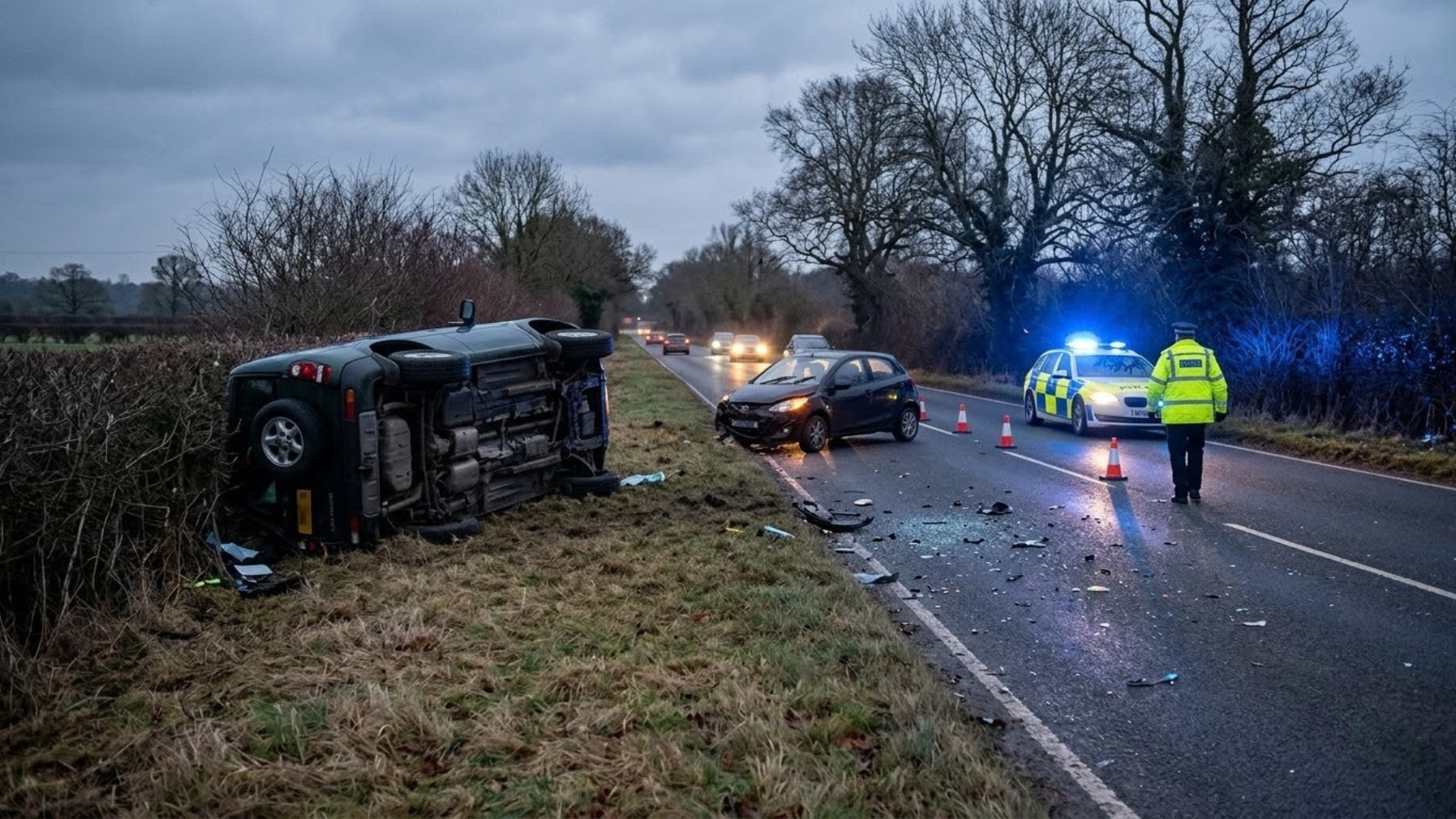
On the afternoon of 17 January 2019, Philip, then aged 97, was driving his Land Rover Freelander alone. As he pulled out of a side road onto the busy A149, his car collided with a Kia carrying two women and a baby.
The impact was severe. Philip’s Land Rover rolled onto its side. Witnesses helped him out of the vehicle. He was shocked and shaken but, remarkably, uninjured. The driver of the other car suffered cuts to her knee, and her passenger broke her wrist. The baby was unhurt.
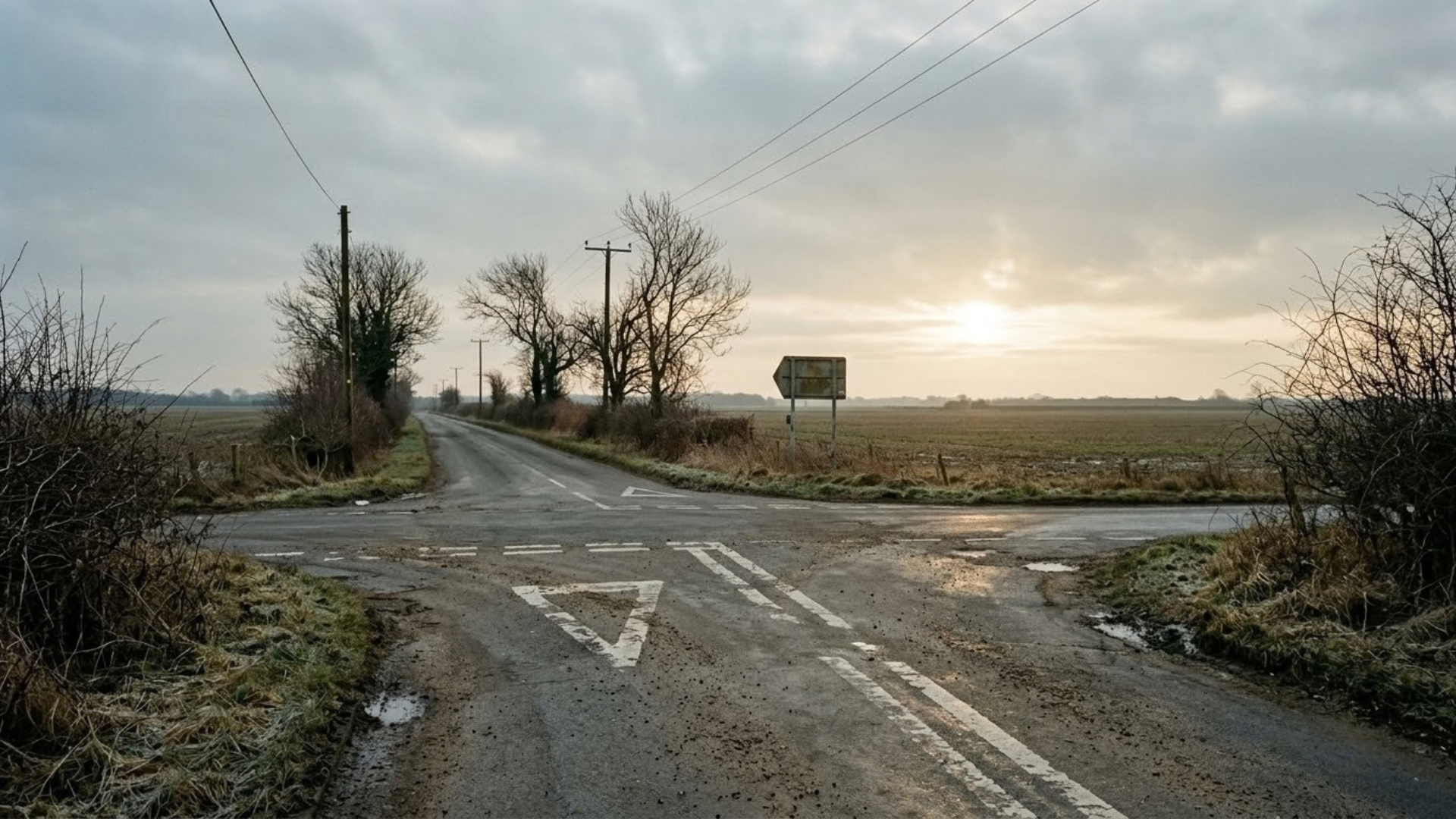
Philip later said that he had been dazzled by the low winter sun as he pulled out. Police carried out breath tests on both drivers, and both were negative.
The crash raised a national debate. Should someone in their late nineties still be driving? Many people pointed out that there is no upper age limit for driving in the UK, and that older drivers only need to declare themselves fit every three years.
Then, just two days after the crash, Philip was photographed driving a brand-new Land Rover near Sandringham, apparently without wearing a seatbelt. The pictures caused a fresh wave of criticism. Police said they had given him suitable words of advice.
One of the injured women said publicly that she had not received a personal apology. Days later, Philip sent her a handwritten letter saying he was deeply sorry for his part in the accident.
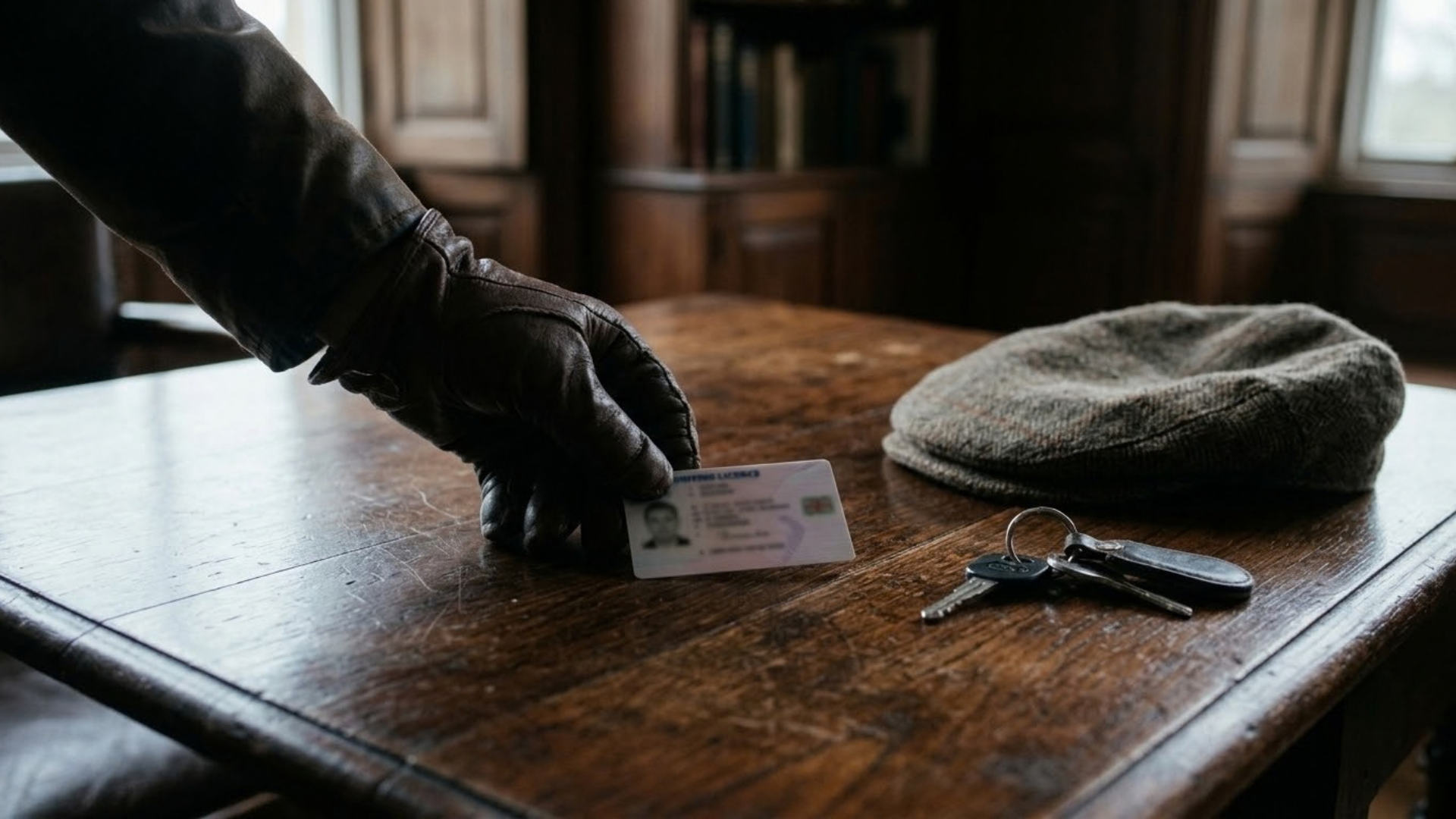
On 9 February 2019, Buckingham Palace announced that Prince Philip had voluntarily surrendered his driving licence. The prosecutors later decided that no further action would be taken against him.
Philip died two years later, in April 2021, at the age of 99. For a man who had spent his life valuing independence, giving up the car keys was a hard decision. But it ended one of the most talked-about royal stories of 2019.