In England and Wales, when someone dies and their will goes through the probate process, it usually becomes a public document. Anyone can request a copy and see who received what.
But there is an exception. For more than a century, the wills of senior members of the royal family have been sealed by the courts, so that their contents remain private. The convention dates back to 1910, after the death of Prince Francis of Teck, Queen Mary’s brother.
Prince Philip, Duke of Edinburgh, died in April 2021. His executors applied to the High Court for his will to be sealed, following this tradition.
In September 2021, the President of the Family Division, Sir Andrew McFarlane, ruled that the will should be sealed for 90 years. He said that there was a need to protect the dignity of the sovereign and close members of her family, and that the public interest in the contents of a royal will was largely curiosity.
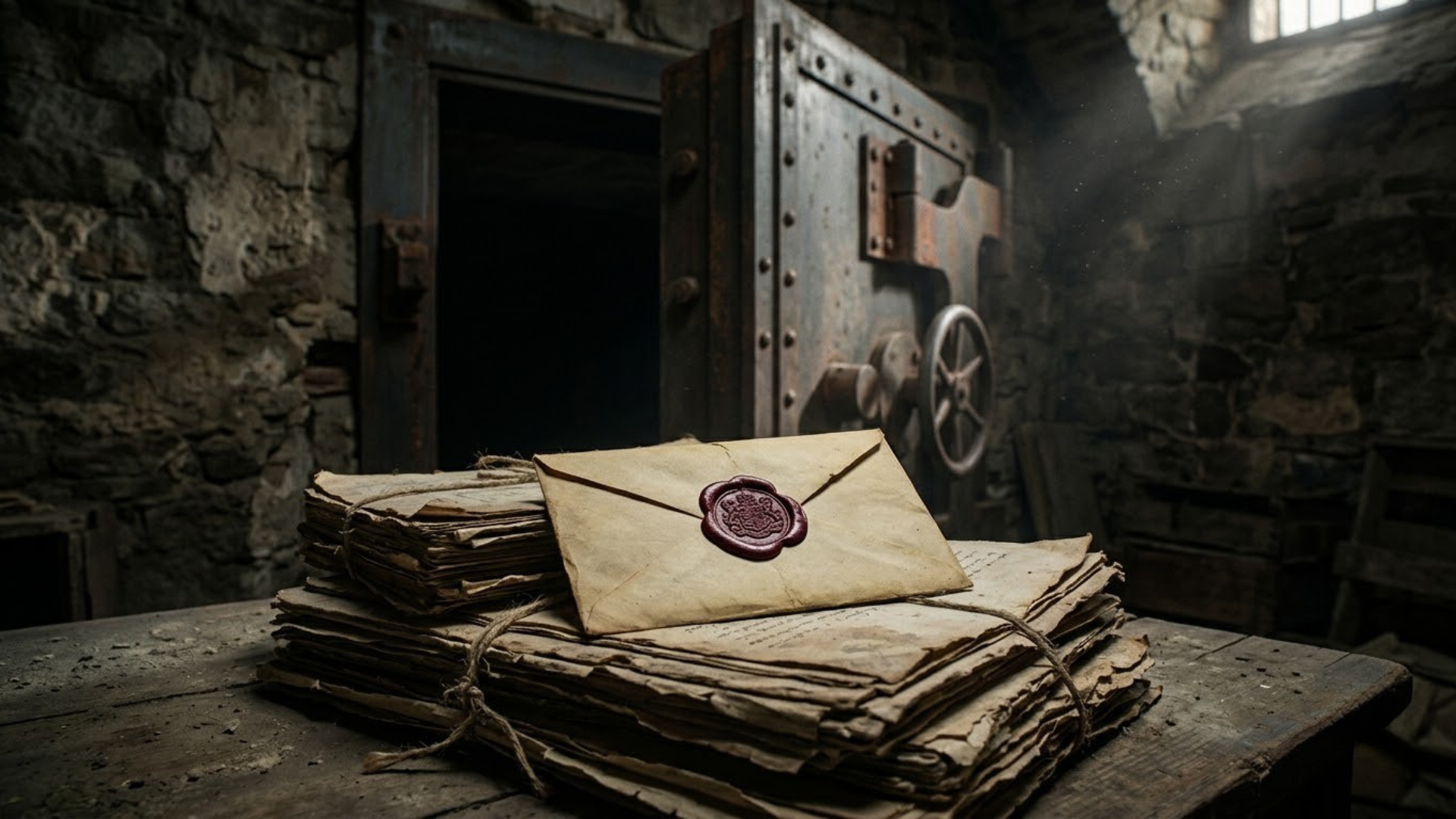
The judge also revealed that he was the custodian of a safe holding more than 30 sealed royal wills. He set out a new process under which royal wills could be opened privately after 90 years, with only limited parts published.
If the process is followed, Philip’s will may be opened privately in 2111. Even then, it may not be fully published.
For supporters of the monarchy, the decision protects a family’s private affairs. For critics, it is another example of the royal family being treated differently from everyone else, with secrets that the public may never see.