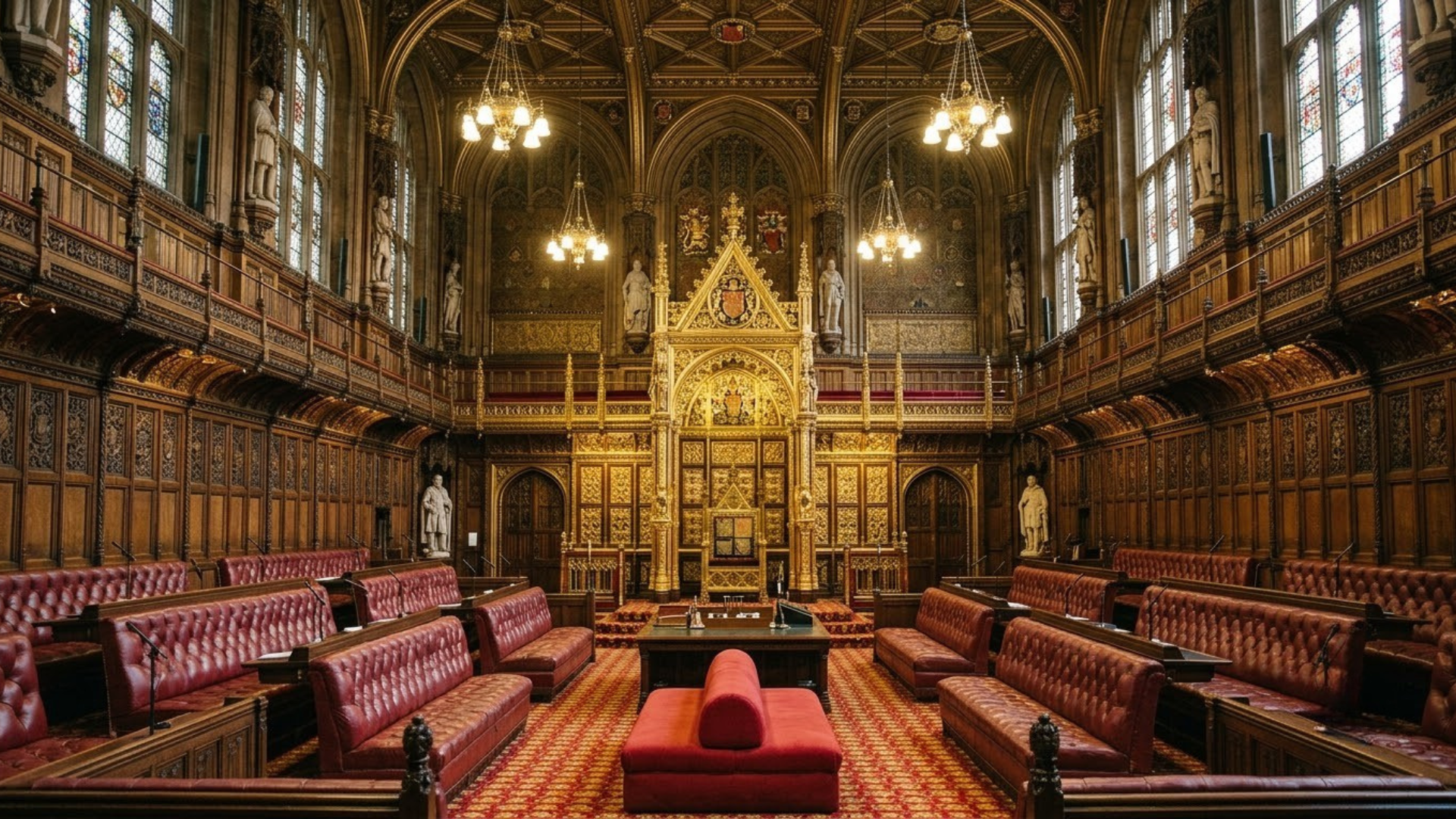
Most people know that the monarch gives Royal Assent to new laws at the end of the parliamentary process. Far fewer people knew about another procedure, called Queen’s consent.
Under this convention, if a proposed law might affect the monarch’s personal interests or the Crown’s property, Parliament must seek the sovereign’s consent before it is debated. In practice, this meant that the Queen’s representatives could see some draft laws in advance.
In February 2021, The Guardian began publishing a series of articles based on government documents in the National Archives. One set of papers from the 1970s attracted particular attention.
At that time, the government was planning a new law to make company shareholdings more transparent. According to the documents, the Queen’s private solicitor raised concerns that the law could reveal details of her private shareholdings to the public.
The documents suggested that the government then changed the draft law to include an exemption for certain companies, which was used to keep the Queen’s private wealth confidential. The newspaper reported that the arrangement remained in place for decades.
Further reports claimed that the Queen’s consent procedure had been used more widely than previously understood, giving the royal household a chance to review hundreds of draft laws.
Buckingham Palace responded firmly. It said Queen’s consent was a parliamentary process, in which the sovereign’s role was purely formal, and that consent was always granted when requested by the government. It said any claim that the sovereign had blocked legislation was simply incorrect.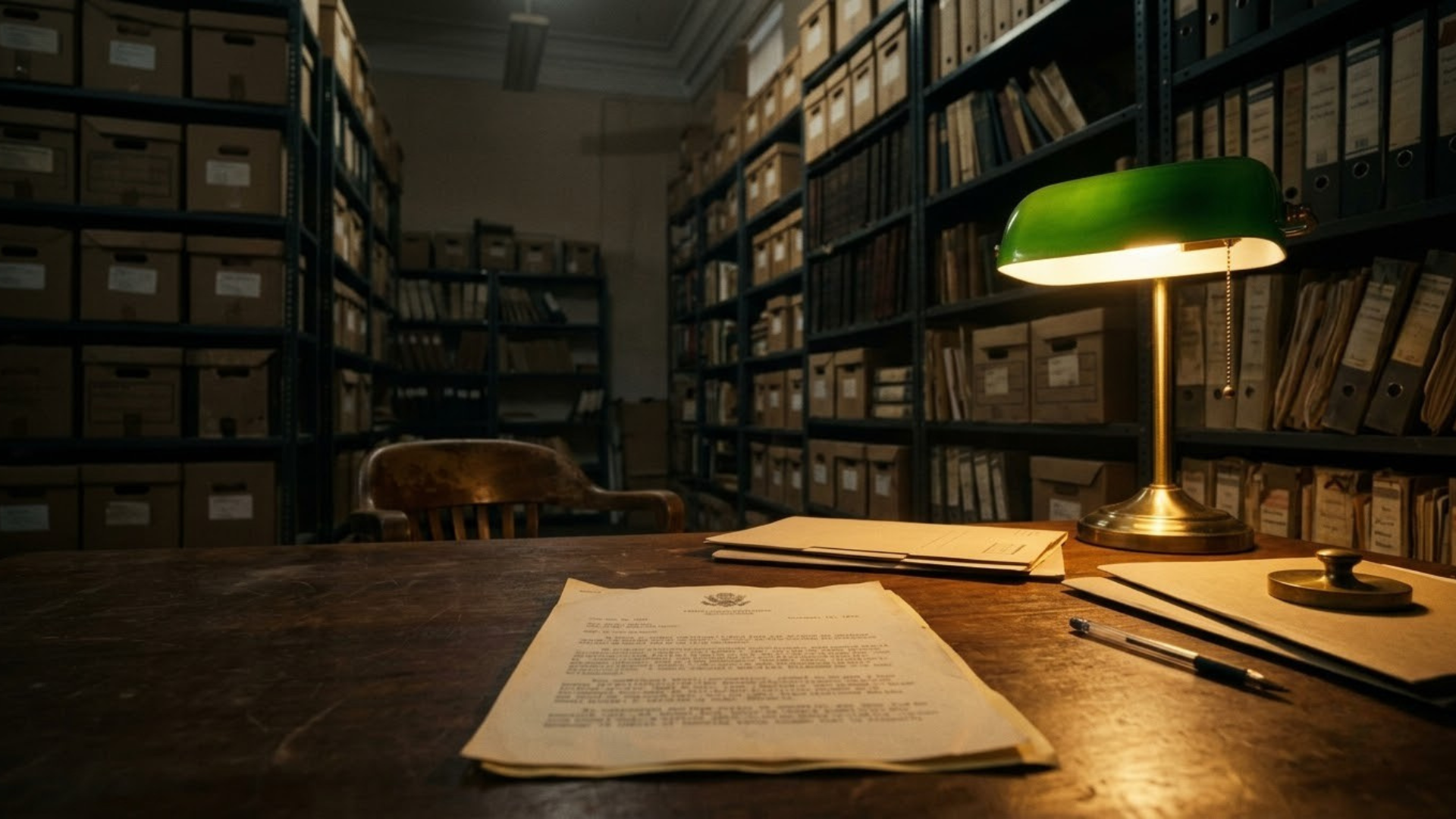
Constitutional experts and MPs debated the findings. Some called for the procedure to be reviewed or scrapped. Others said it was an obscure convention with little real power.
The revelations added to a growing debate about transparency and royal finances, and left many people asking how much influence the monarchy might quietly have behind the scenes.