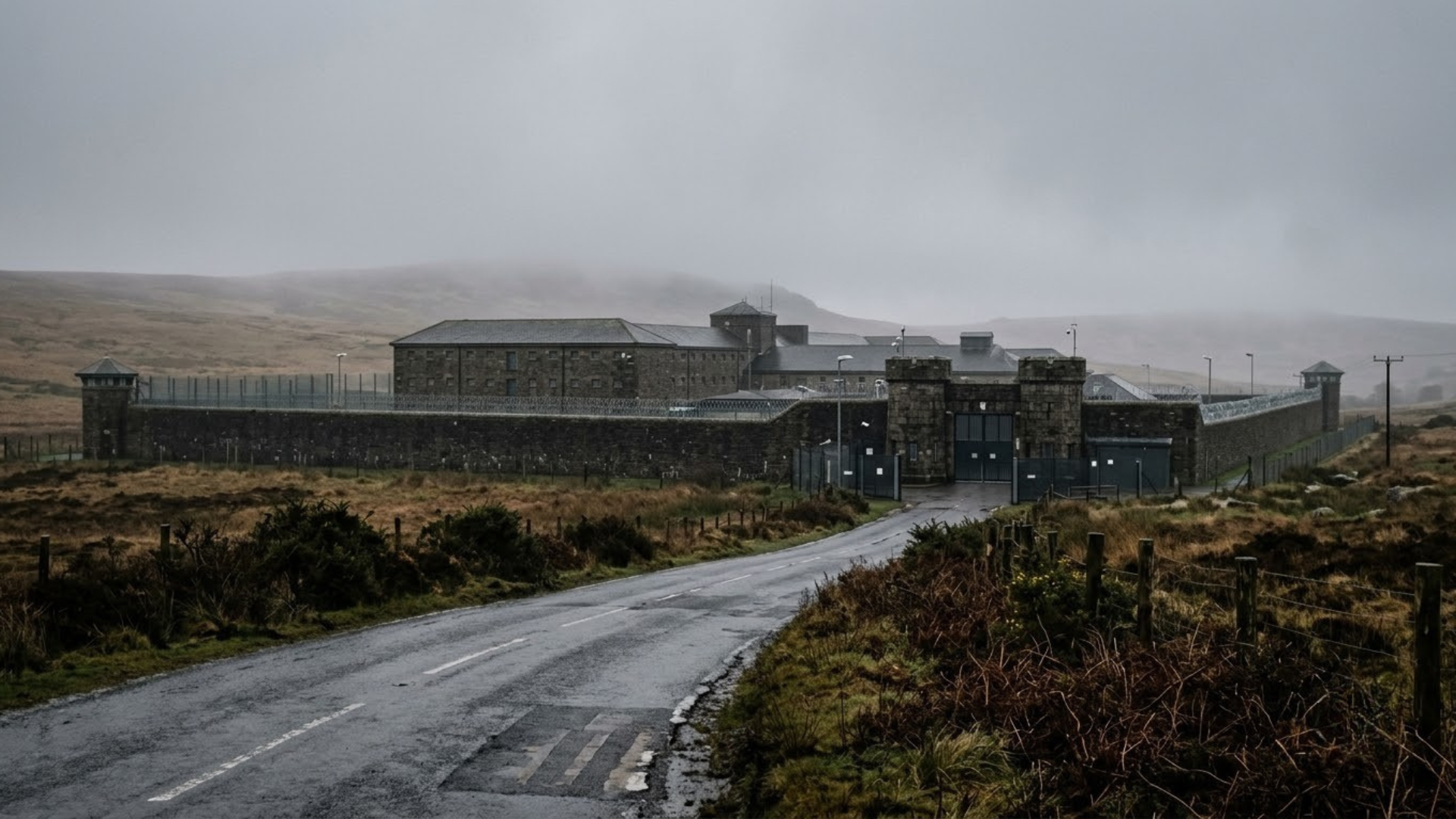
The Duchy of Cornwall is a large private estate created in 1337 to provide an income for the heir to the throne. It owns land, farms, homes, commercial property and investments across England, and is valued at around a billion pounds.
When Charles became King in 2022, the Duchy passed to his son, Prince William. Its profits pay for William’s public, charitable and private activities.
In November 2024, The Sunday Times and Channel 4’s Dispatches published an investigation called The Princes and the Profits. It looked at how the Duchy of Cornwall and the Crown Estate earned money.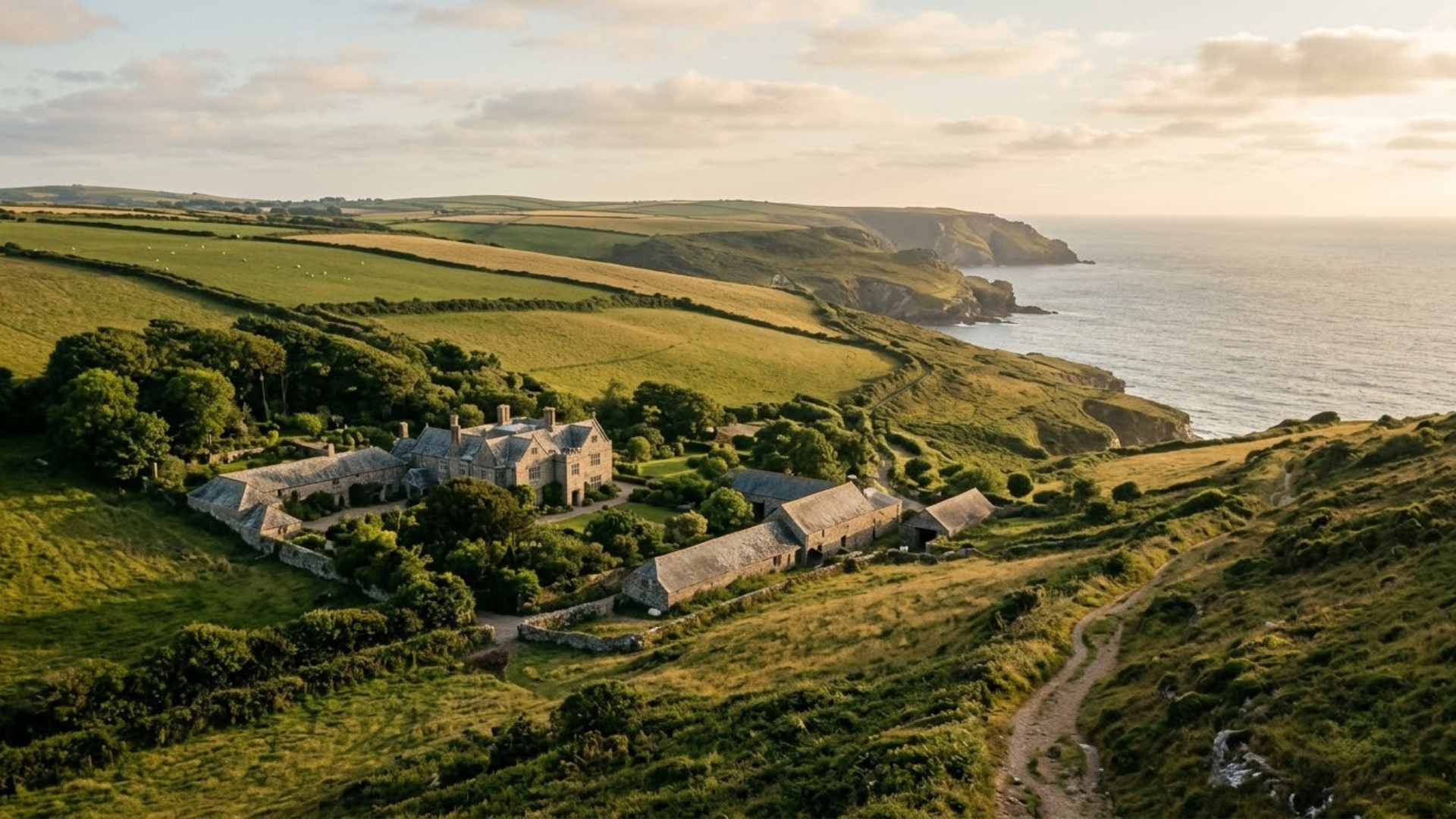
The investigation reported that the Duchy received rent from the Ministry of Justice for land used by Dartmoor Prison, a deal worth more than a million pounds a year. It also said that public bodies such as the armed forces and the NHS, as well as some charities and community groups, paid the Duchy for leases, access or the use of land.
It reported that William had received more than 20 million pounds from the Duchy in the previous year, while the estate does not pay corporation tax because of its unusual status.
Critics said it was wrong for a royal estate to profit from prisons, public services and charities, while the royal family also received public money through the Sovereign Grant.
The Duchy of Cornwall rejected the criticism. It said it was a private estate that had to operate commercially, that it was investing in homelessness projects and sustainable housing, and that Prince William voluntarily paid income tax on his income from it.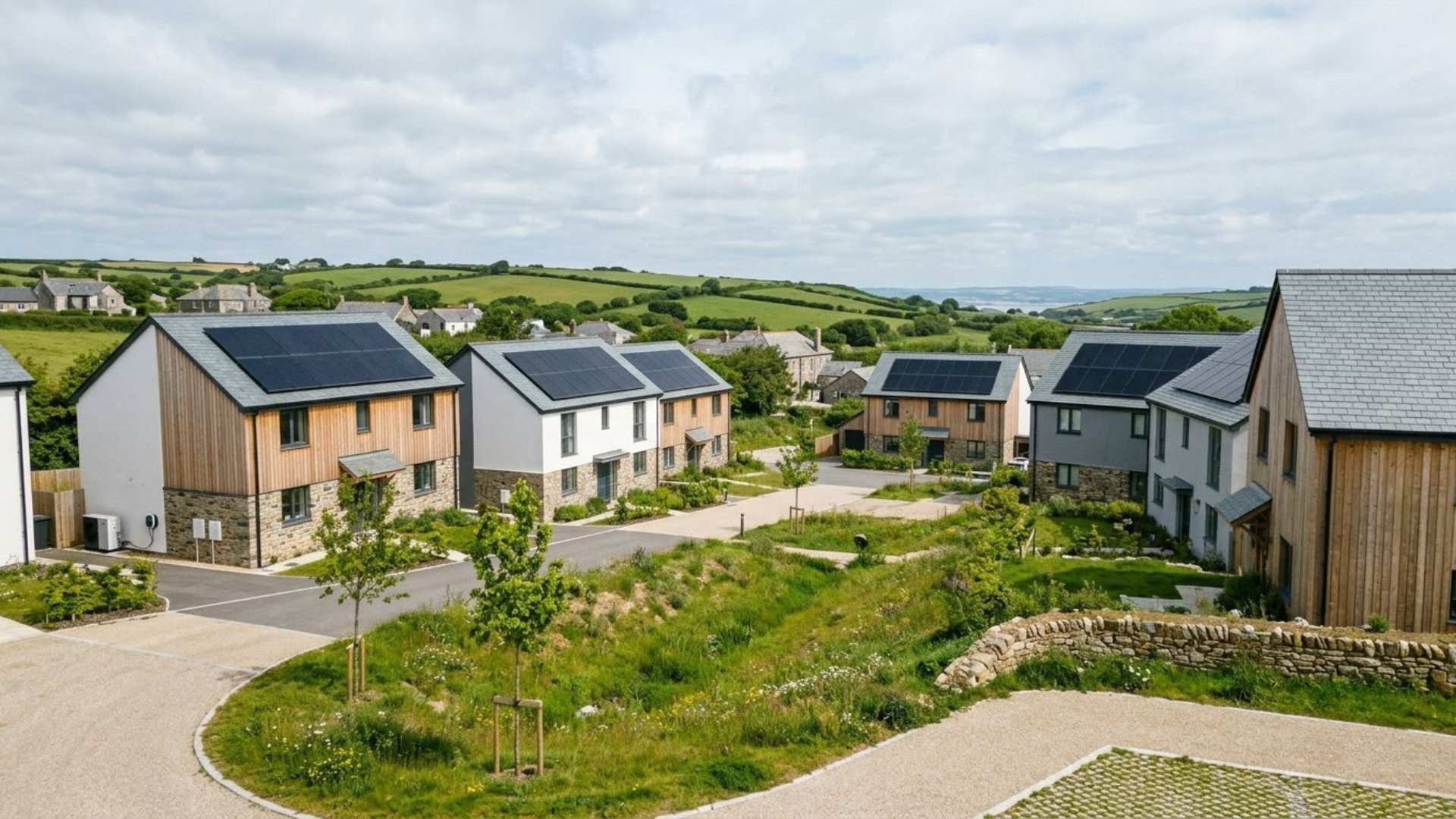
William has since promoted a project to tackle homelessness, including plans to build homes on Duchy land. Supporters said he was trying to modernise the estate.
But the investigation left many people with a simple question: should an estate that funds a future king be making money from the public services and charities that serve the country?