Prince Charles has long been interested in organic farming, gardening and alternative medicine. In 1990, he founded Duchy Originals, a food brand that began with organic biscuits and grew into a wide range of products. Its profits went to his charities.
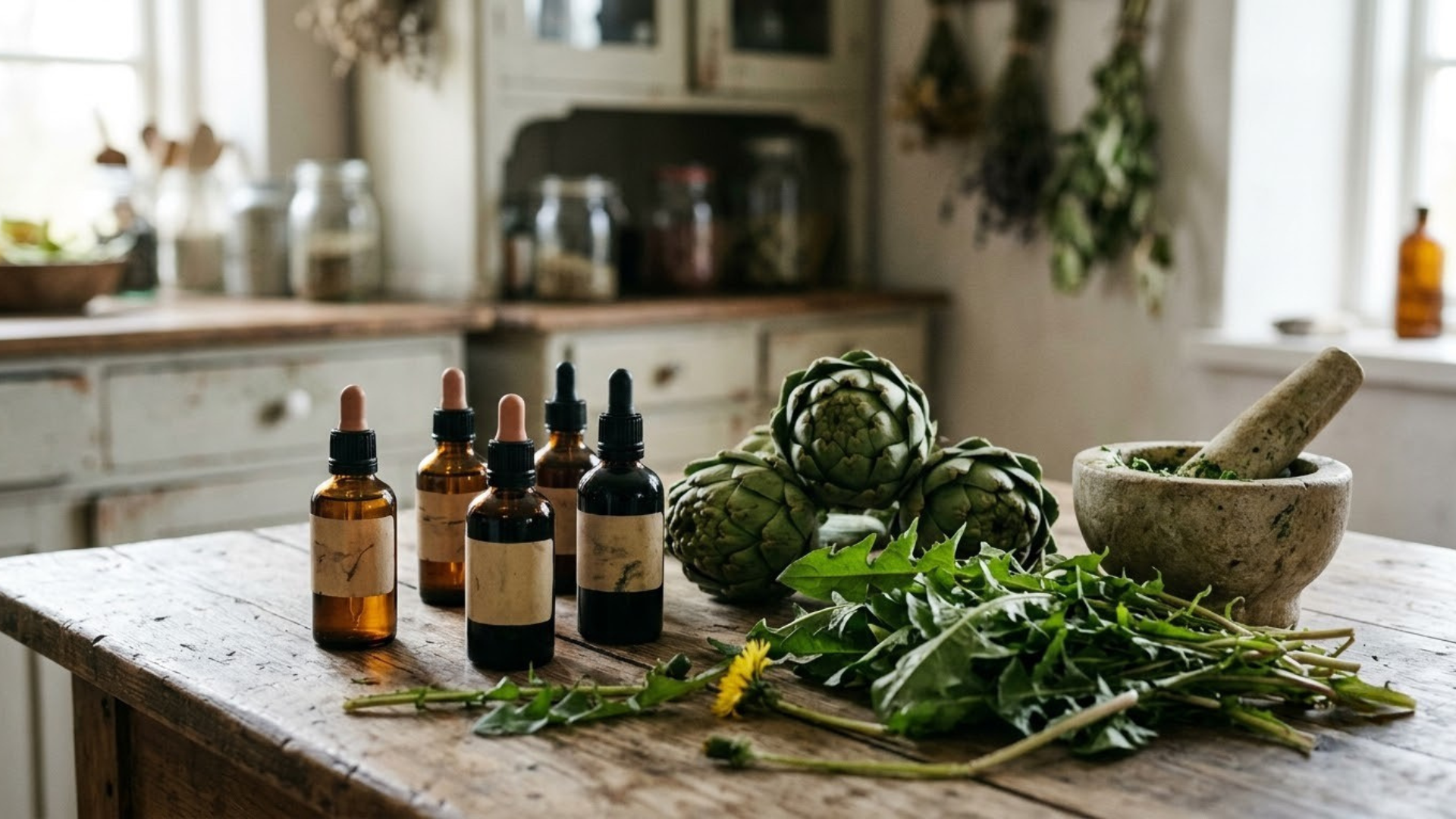
In 2009, the brand launched Duchy Herbals, a range of herbal remedies. One of the products was a Detox Artichoke and Dandelion Tincture, a liquid herbal supplement promoted as helping the body to eliminate toxins and aid digestion.
Many scientists were unimpressed. Professor Edzard Ernst, then the UK’s first professor of complementary medicine at the University of Exeter, publicly criticised the product.
He said there was no evidence that the tincture could detoxify the body, and described the claim as outright quackery. He argued that the prince was using his position to promote unproven remedies to the public.
Around the same time, the medicines regulator ruled that advertising claims made for another Duchy herbal product, a remedy containing echinacea, had been misleading.
Supporters of Charles said he was simply offering natural products that people could choose for themselves, and that many herbal remedies had long traditions of use. Critics said the heir to the throne had a special responsibility not to lend his name to products without scientific evidence.
The row became part of a wider story. Professor Ernst later said he had faced pressure after criticising Charles’s views on alternative medicine. He retired from his post in 2011. The university said his retirement was not linked to the prince.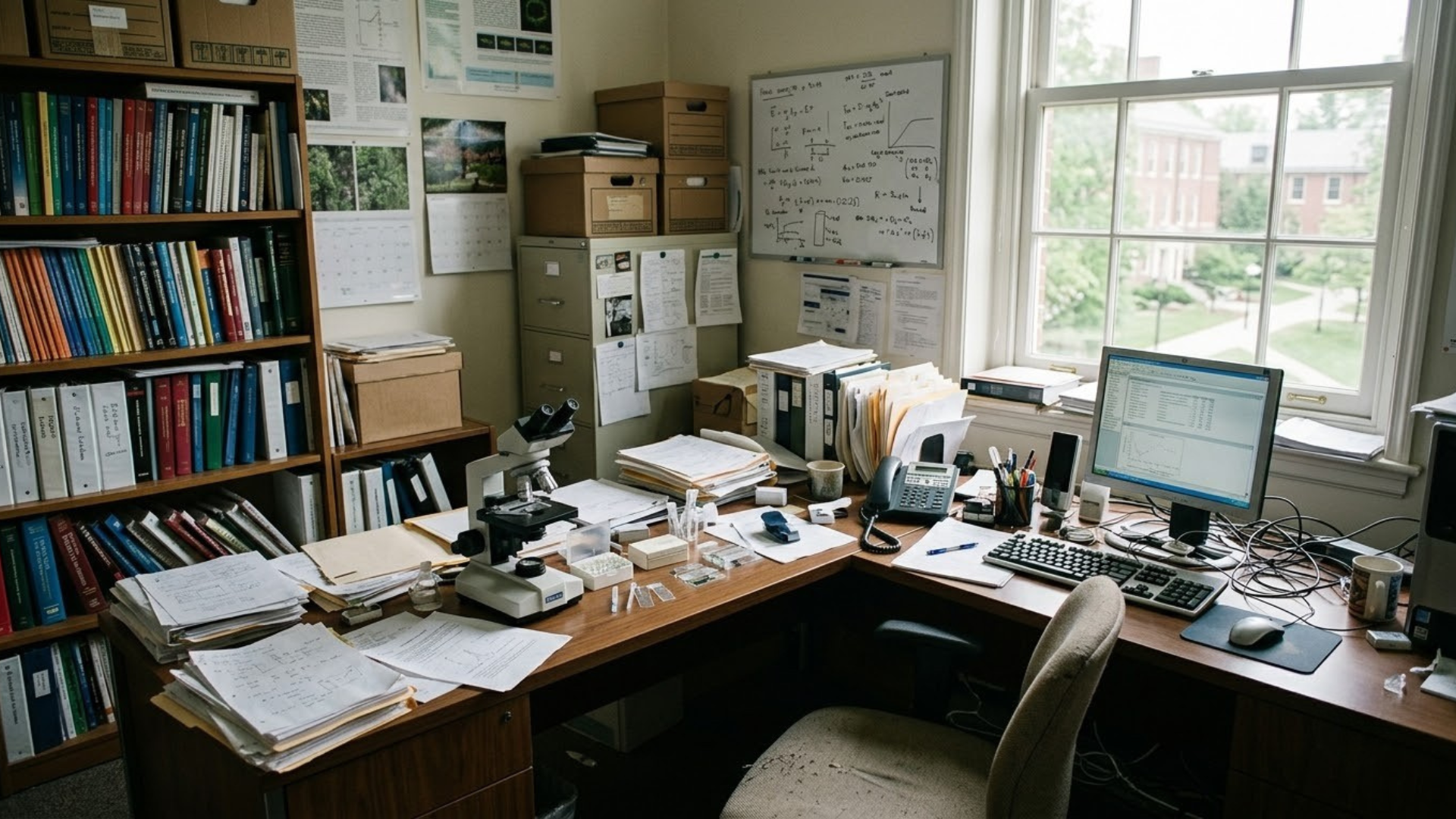
In 2009, Duchy Originals also entered a long-term partnership with the supermarket Waitrose, and the brand continued to sell food products. The herbal range is now largely forgotten.
But the detox tincture row remains a striking example of the long tension between Charles’s passion for alternative medicine and the scientists who believed the evidence did not support it.