By the summer of 1994, the marriage of the Prince and Princess of Wales was already over in all but name. Their separation had been announced in December 1992, and both sides were quietly fighting for public sympathy.
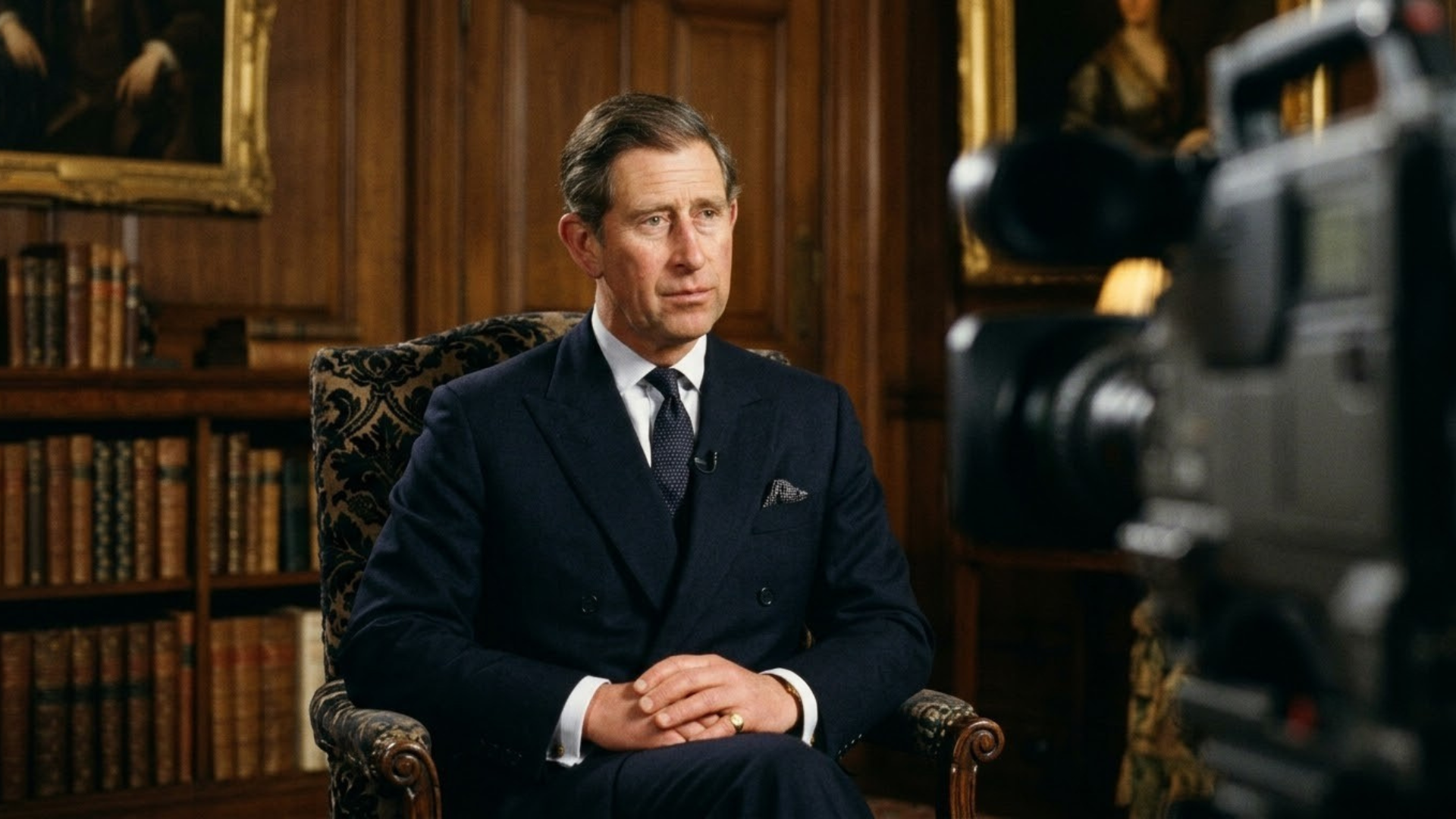
Charles agreed to take part in a major television documentary to mark 25 years since his investiture as Prince of Wales. It was made by the respected broadcaster Jonathan Dimbleby, who was also writing an authorised biography of the prince.
The film, called Charles: The Private Man, the Public Role, was broadcast on ITV on 29 June 1994. Most of it covered his work, his charities and his views on architecture and the environment. But one short exchange near the end changed everything.
Dimbleby asked whether Charles had tried to be faithful and honourable when he married. Charles replied that he had, until it became clear that the marriage had irretrievably broken down, us both having tried. With that answer, the heir to the throne had admitted adultery on national television.
Around 14 million people reportedly watched. He did not name the woman involved, but he described Camilla Parker Bowles as a great friend who would remain a friend for a very long time. Few viewers doubted who he meant.
The next morning, the confession was on front pages around the world. Some people praised his honesty. Others said a future King, and future Supreme Governor of the Church of England, should never have said such a thing in public.
Diana’s response came that same evening. She arrived at a gala at the Serpentine Gallery in a short, daring black dress, smiling for the cameras. Her photograph pushed Charles off many front pages the next day.
Later in 1994, Dimbleby’s biography was published, adding more painful details about the marriage. In January 1995, Camilla and her husband, Andrew Parker Bowles, announced that they were divorcing.
Looking back, many historians see the Dimbleby interview as a turning point. It opened the door to an even more famous television confession, from Diana herself, the following year.
For Charles, it was an attempt to tell the truth on his own terms. For millions of viewers, it was the night the fairy tale was officially declared over.