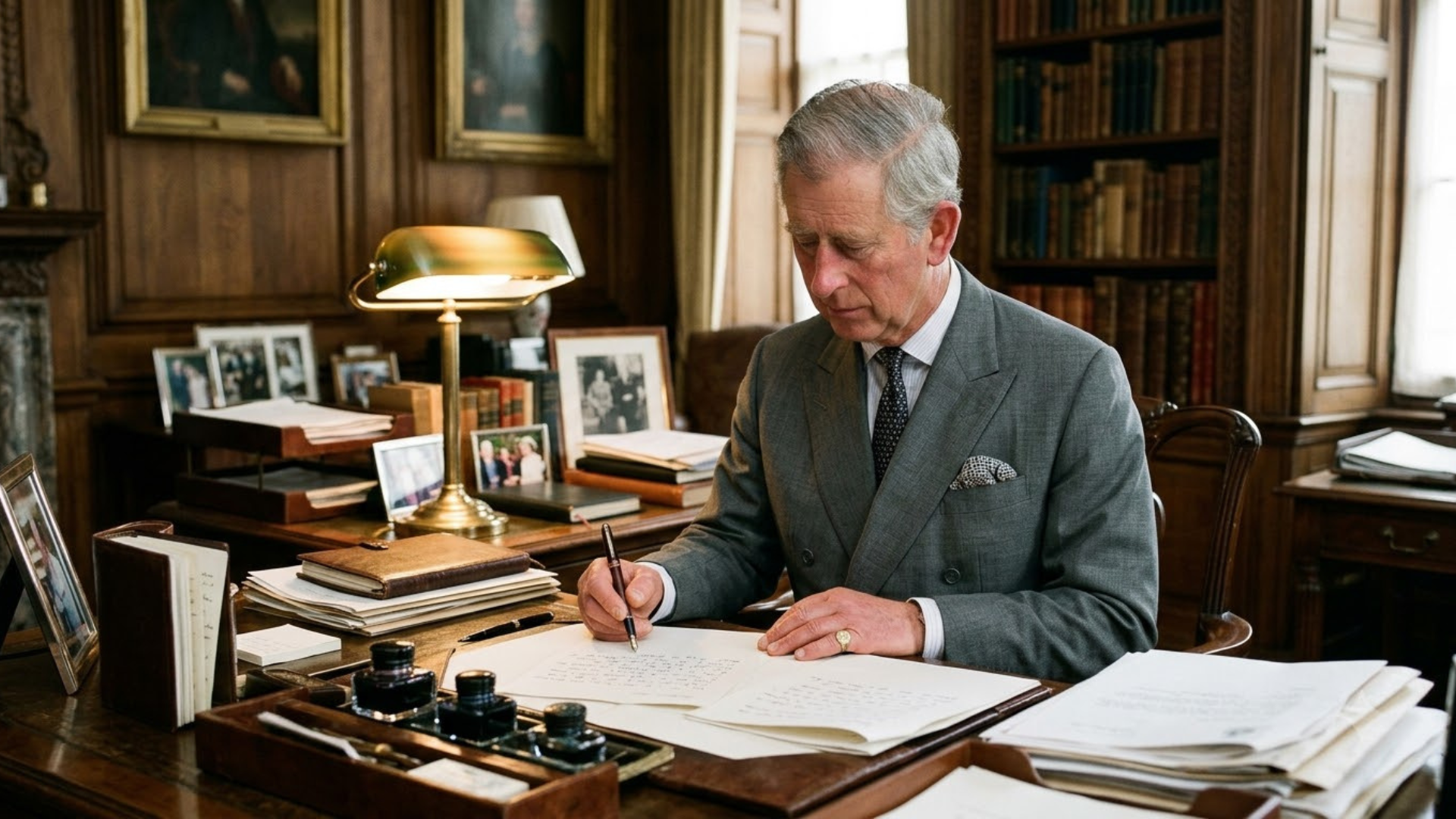
For decades, Prince Charles was known for his strong views on architecture. In the 1980s, he famously described a planned extension to the National Gallery as a monstrous carbuncle, and he often criticised modern buildings he felt were out of place.
In 2007, the old Chelsea Barracks, a former army site in one of London’s most expensive areas, was sold to a partnership that included Qatari Diar, the property company of the Qatari state, and the developers CPC Group. The price was reported to be close to one billion pounds.
The architect chosen for the project was Richard Rogers, one of Britain’s most celebrated designers, famous for buildings such as the Lloyd’s building in London. His plan was for a large modern development of glass and steel apartment blocks.
Many local residents and traditional architecture campaigners disliked the design. And in early 2009, Charles added his own voice in a very personal way.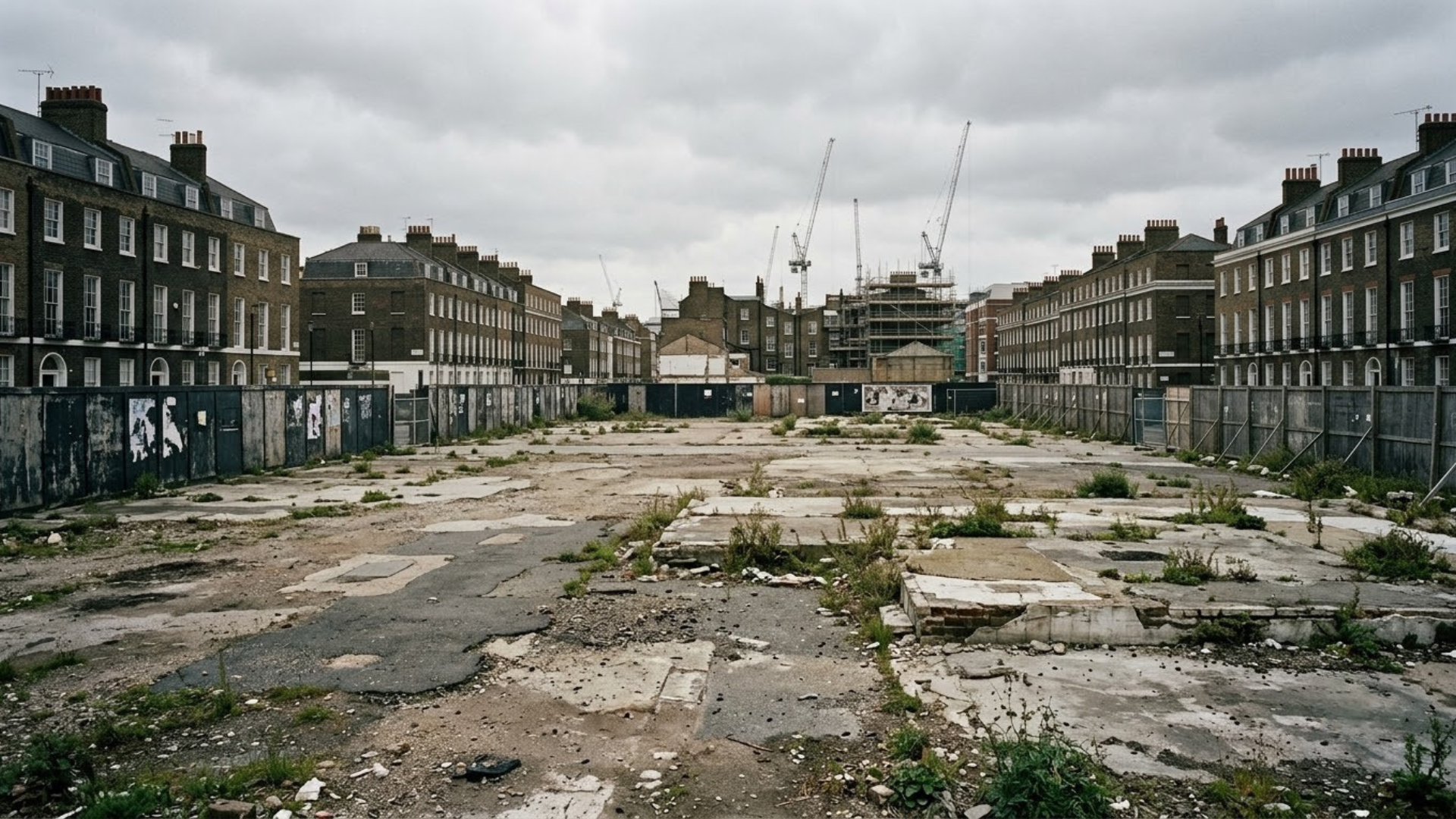
The prince wrote privately to a senior member of the Qatari royal family, criticising the Rogers scheme and reportedly recommending a more traditional approach. The letter was not public at first, but news of it soon emerged.
In June 2009, Qatari Diar withdrew the planning application. Richard Rogers was furious. He said the prince had used his position to interfere in a democratic planning process, and other leading architects backed him.
Clarence House defended Charles, saying he had every right to express his views. His supporters pointed out that many Londoners agreed with him.
The story did not end there. CPC Group took Qatari Diar to court, claiming the withdrawal broke their agreement. In 2010, the High Court ruled in CPC’s favour, finding that pulling the plans had been a breach of contract.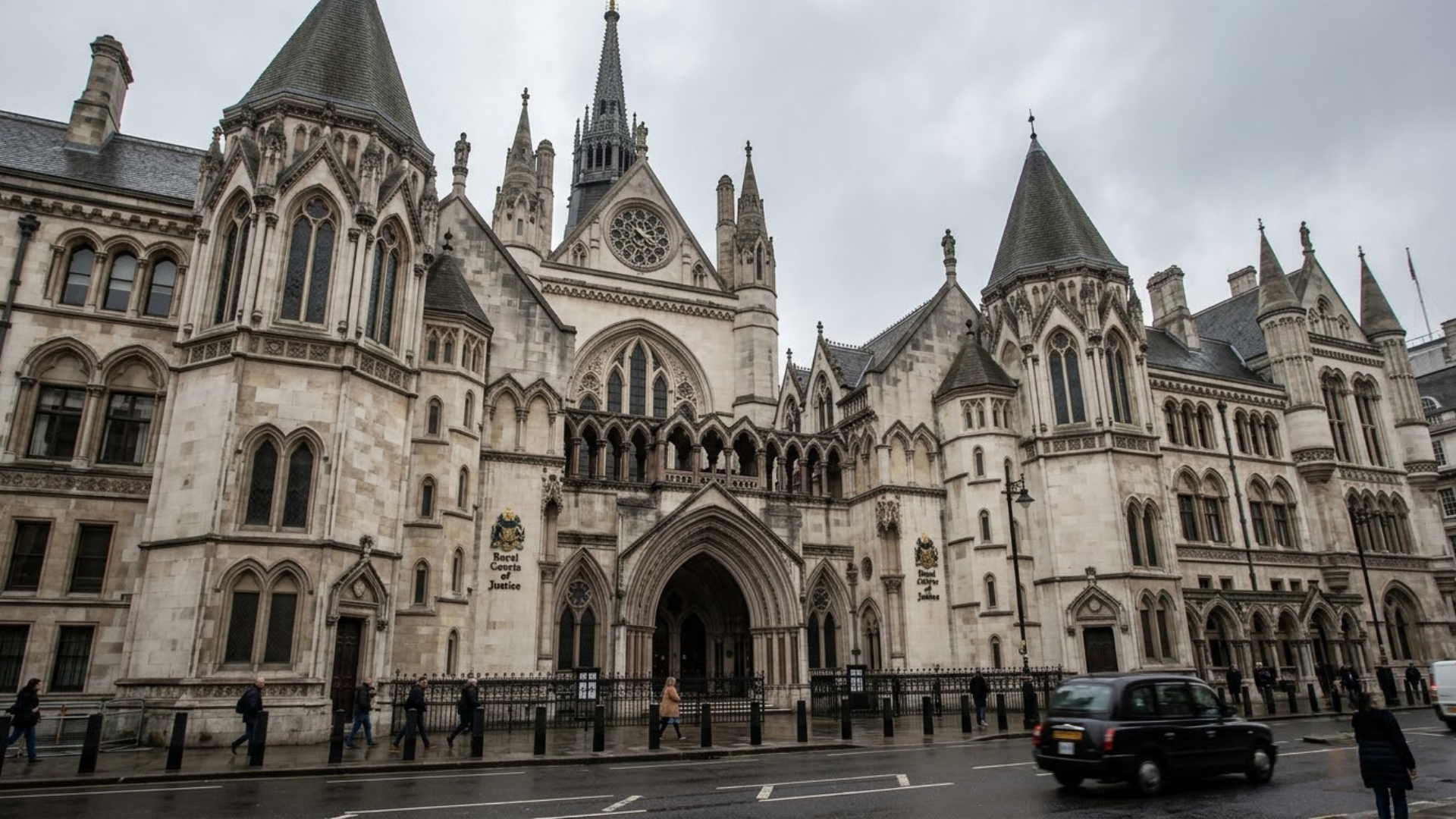
The judge also commented on the prince’s role. He described Charles’s intervention as unexpected and unwelcome, words that were widely reported.
The case added to a long debate about how far a future king should go in trying to influence public decisions. For his critics, it showed royal power being used quietly behind the scenes. For his supporters, it showed a man who cared deeply about how Britain looks.