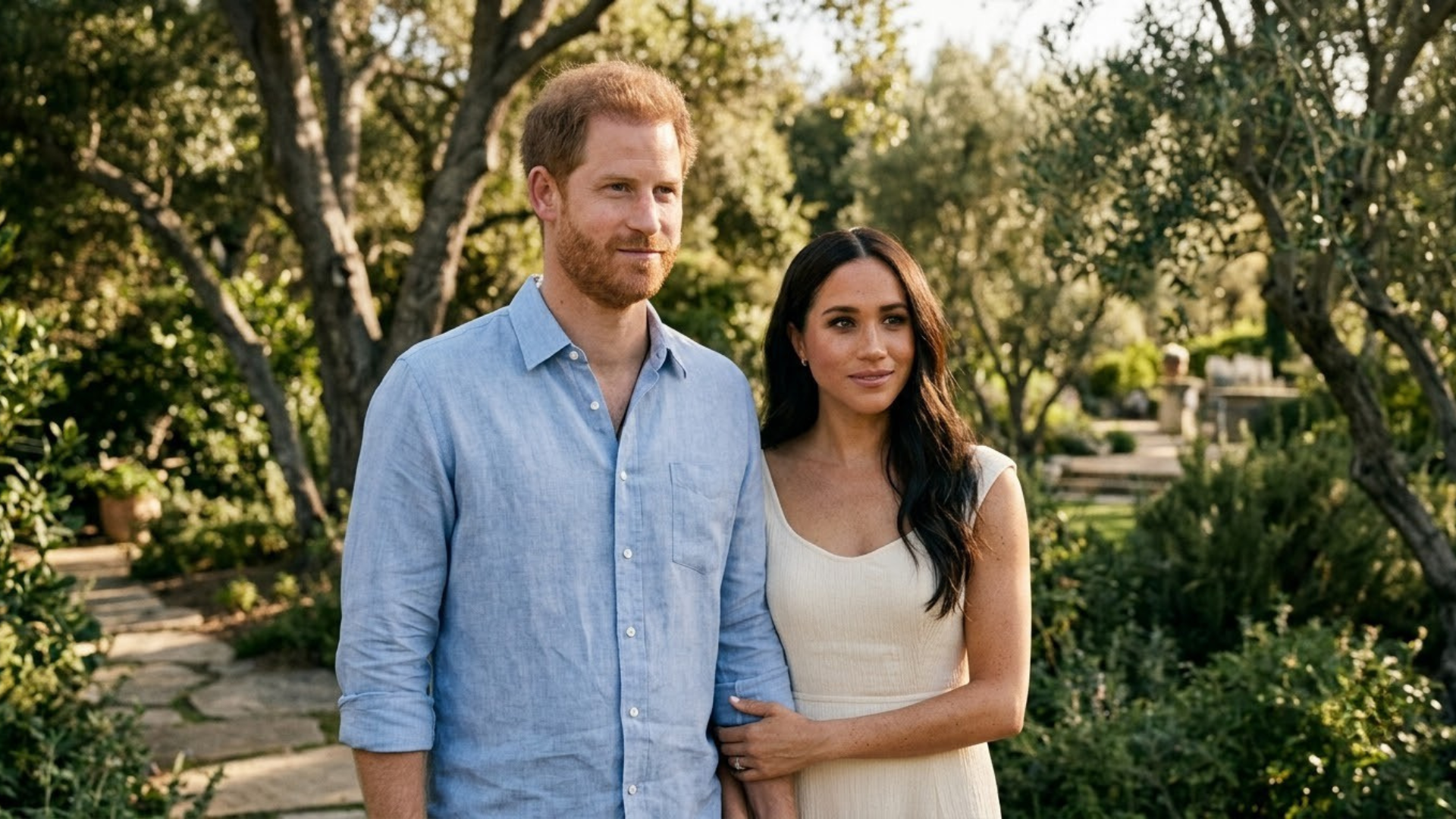
In March 2023, a spokesperson for Prince Harry and Meghan confirmed that their daughter, Lilibet, had been christened in a private ceremony at their home in California.
The news itself was not a huge surprise. But one word in the statement caught everyone’s attention. The spokesperson referred to the little girl as Princess Lilibet Diana.
It was the first time she had been publicly described with the royal title. Harry and Meghan had stepped back from their roles as working royals in 2020 and moved to the United States, so many people wondered how their children could be prince and princess.
The answer goes back more than a century. In 1917, King George V issued letters patent, a formal royal document, setting out who could use royal titles. Under those rules, the children of a monarch’s sons are entitled to be called prince or princess
When Archie and Lilibet were born, their grandfather Charles was still Prince of Wales, so they were great-grandchildren of the monarch and not automatically entitled. That changed in September 2022, when Charles became King. From that moment, they became grandchildren of the sovereign.
The spokesperson said the children’s titles had been their birthright since their grandfather became King, and that the matter had been settled some time before.
Shortly after the announcement, the royal family’s official website was updated. In the line of succession, the children were now listed as Prince Archie of Sussex and Princess Lilibet of Sussex.
Reaction was sharply divided. Critics said the couple had criticised the royal family publicly and should not use royal titles. Supporters replied that the children had done nothing wrong and were simply entitled to what the rules allowed.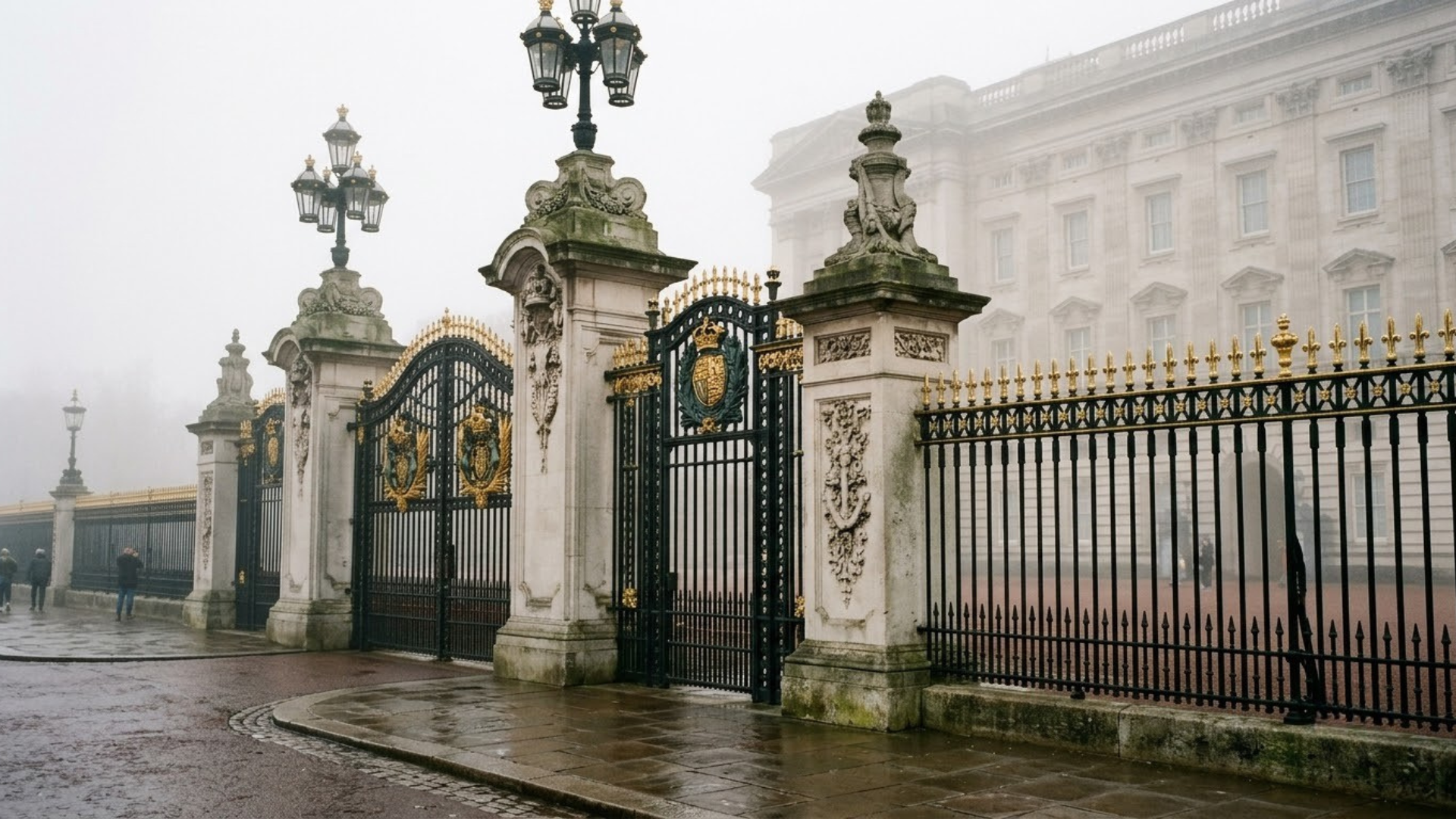
The title question had been sensitive for years. In their 2021 Oprah interview, the couple had spoken about the issue of Archie’s title, and the subject stayed close to the wider family rift.
For now, the titles remain. But the debate showed how even a small word in a family announcement can turn into a royal storm.