Barbados, a small island in the Caribbean, was first settled by the English in the 1620s. For centuries, its sugar plantations were worked by enslaved Africans. The island became independent in 1966, but Queen Elizabeth II remained its head of state.
In 2020, the government announced that it was time to leave the colonial past fully behind. Barbados would become a republic, with its own President as head of state.
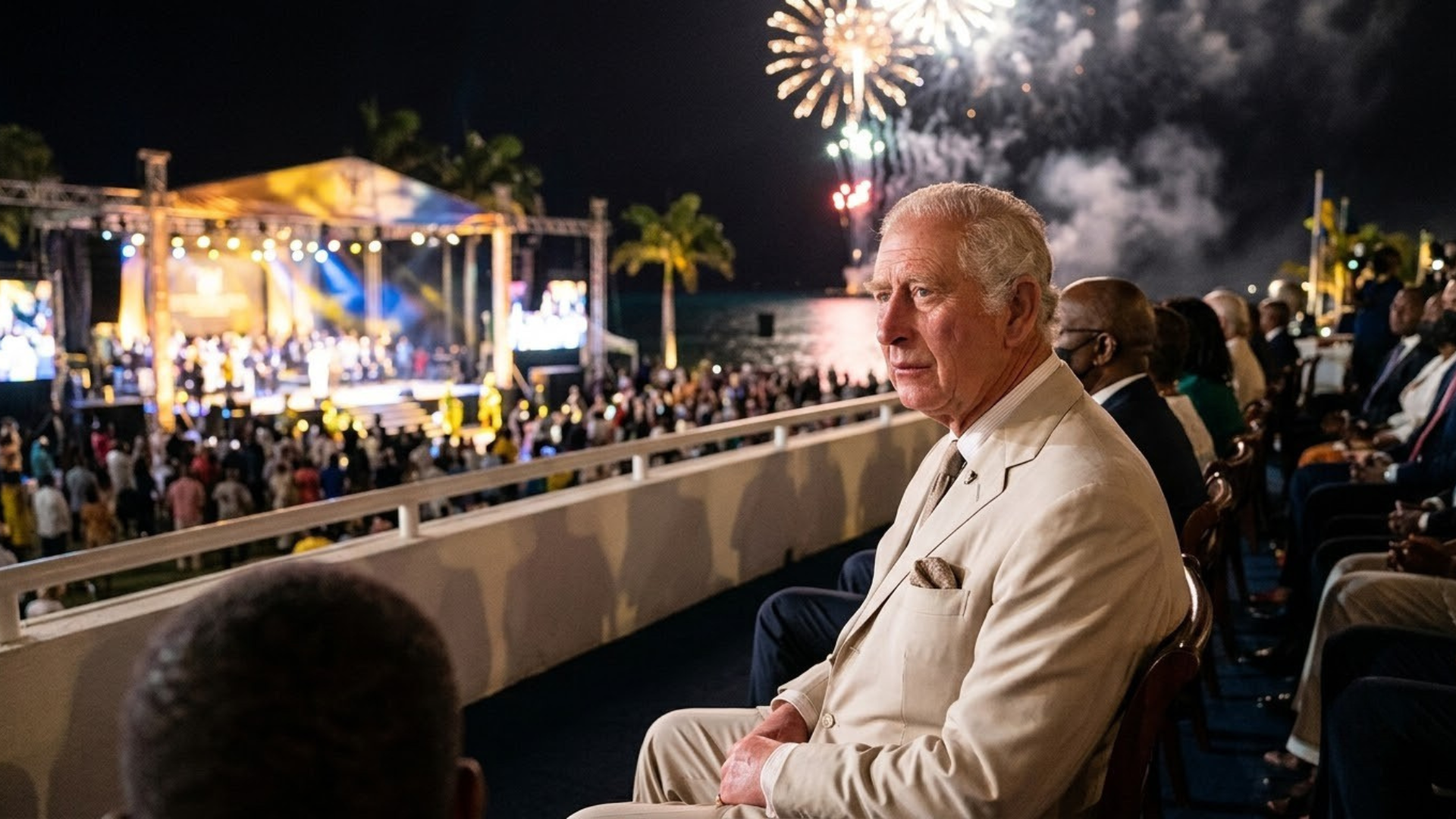
The change took place at midnight on 30 November 2021, exactly 55 years after independence. A ceremony was held in National Heroes Square in the capital, Bridgetown, with music, dance and fireworks.
Dame Sandra Mason, who had been the Queen’s representative on the island as Governor-General, was sworn in as the first President of Barbados. As the moment arrived, the royal standard was lowered.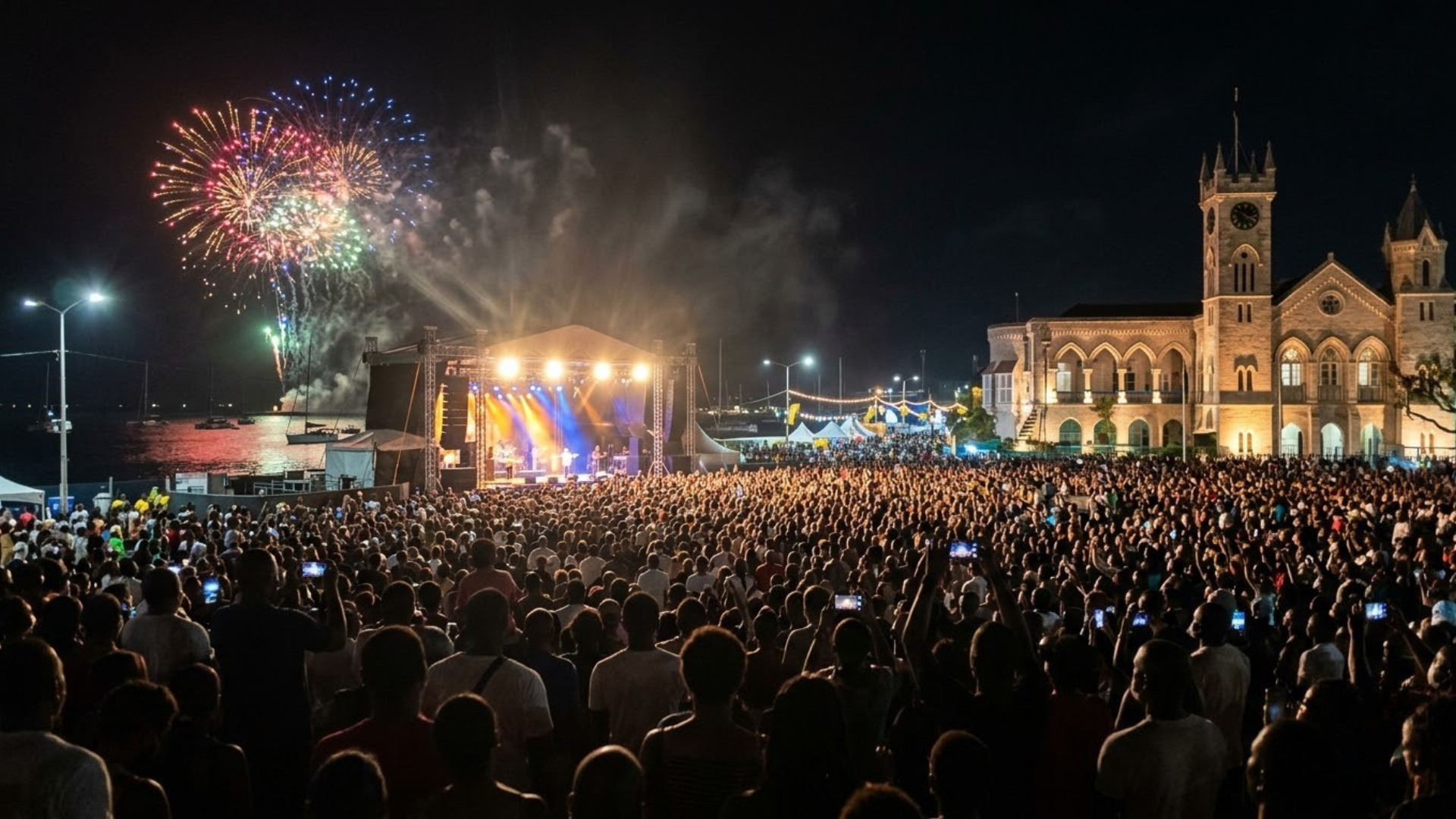
In his speech, he did something few senior royals had done before. He spoke directly about slavery, calling it ‘the appalling atrocity of slavery, which forever stains our history’. He also praised the people of Barbados for the strength they had shown.
Many people welcomed his words as an important acknowledgement. But some campaigners said that words alone were not enough, and that Britain and the royal family should go further, with a formal apology and reparations.
There was another headline moment that night. The Prime Minister, Mia Mottley, who had led the push for the republic, declared the singer Rihanna, who was born in Barbados, a National Hero of the country. The star was in the crowd and was praised for her achievements around the world.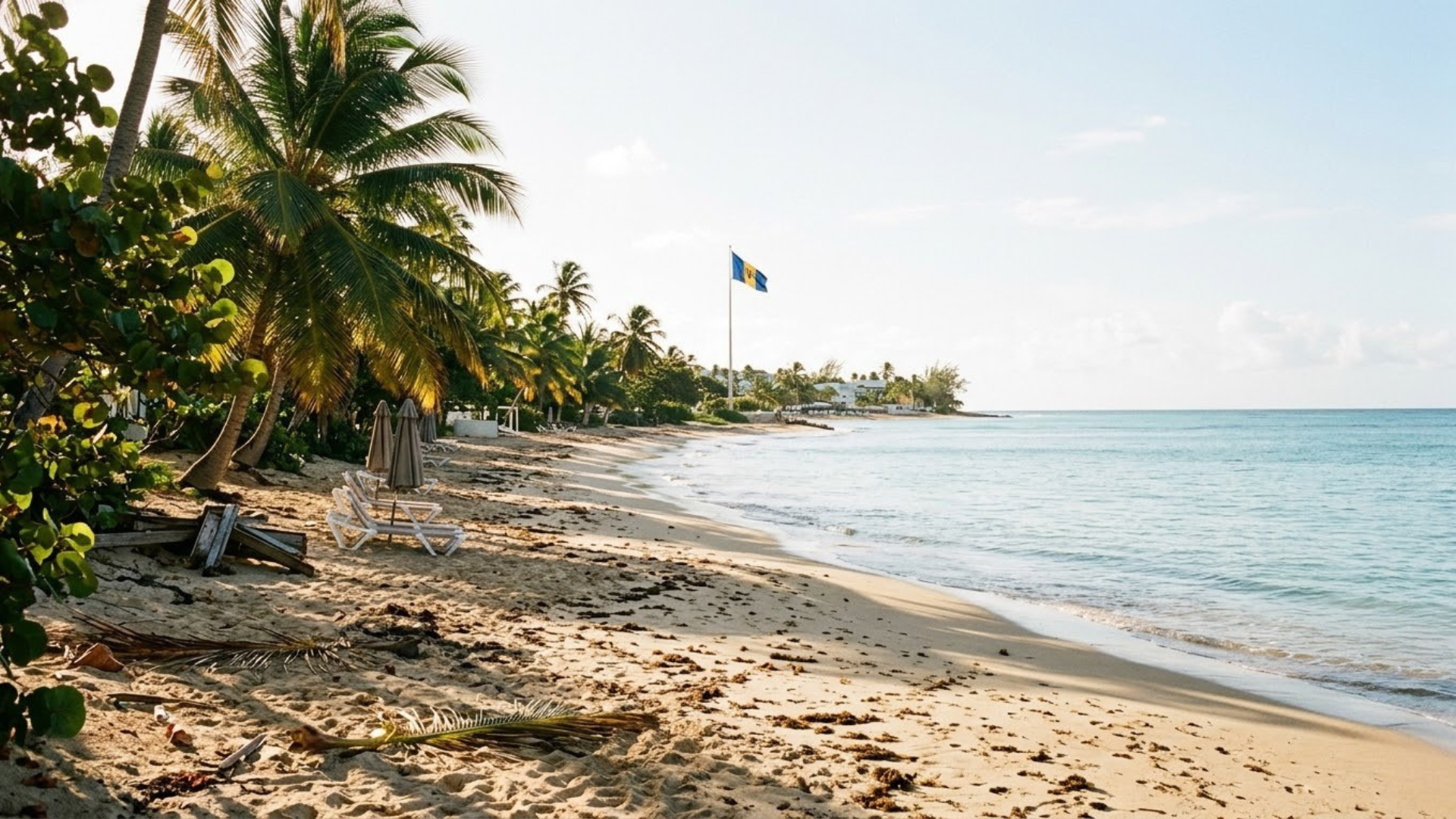 Barbados chose to remain a member of the Commonwealth, and relations with Britain stayed friendly. Yet the night raised a bigger question that has not gone away: how many other Caribbean countries might follow the same path, and what that could mean for the future of the Crown.