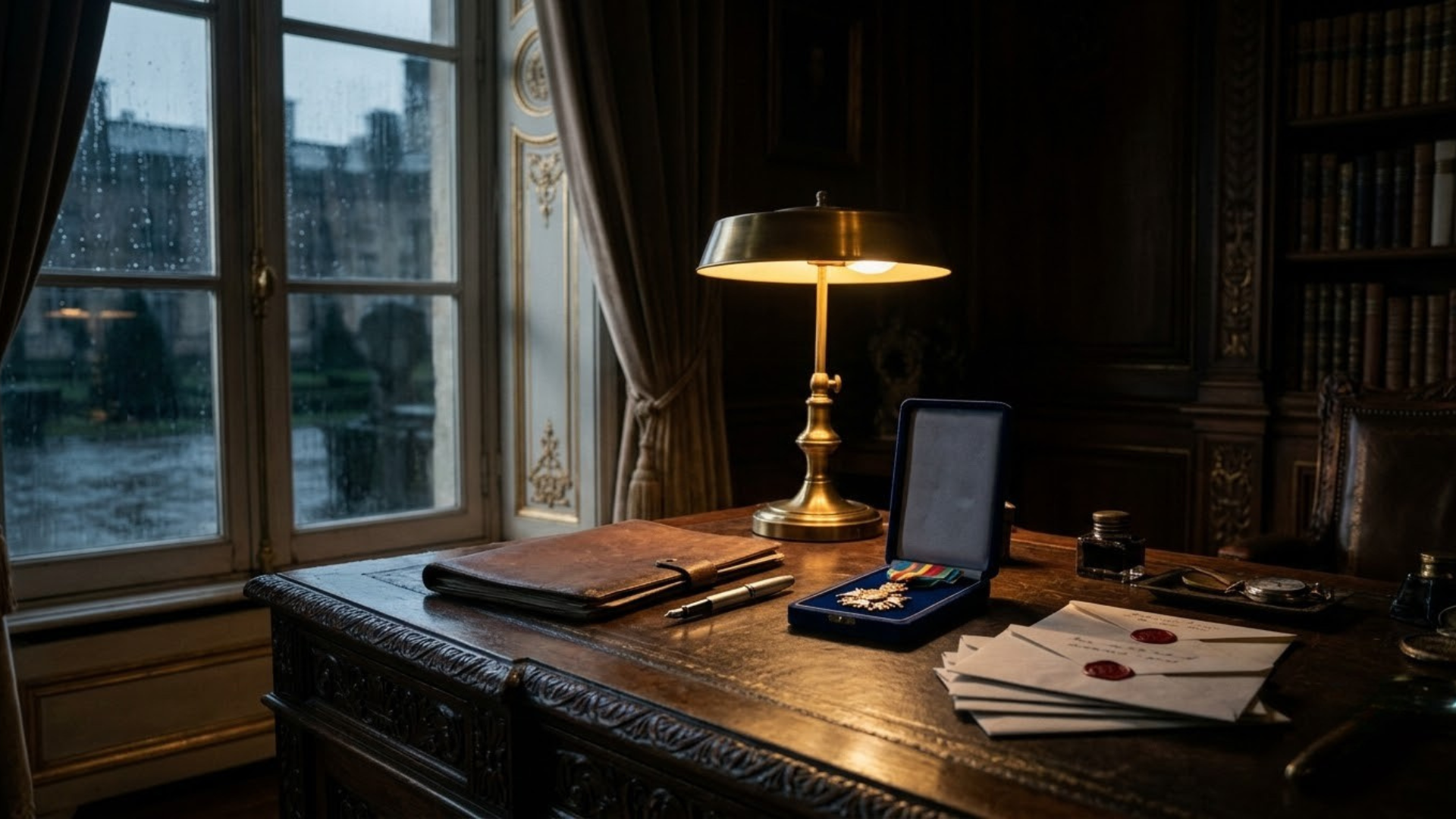
Michael Fawcett had worked for Prince Charles for many years. He started as a junior member of staff and rose to become one of the prince’s closest aides, organising events and helping to run his household.
Later, he became chief executive of the Prince’s Foundation, one of Charles’s main charities, which raised money for projects including the restoration of Dumfries House in Scotland.
In September 2021, newspapers published claims about Fawcett. They reported that he had allegedly offered to help a wealthy Saudi businessman, who had donated large sums to Charles’s charities, to obtain an honour and to support his application for British citizenship.
Under British law, it is a criminal offence to offer honours in return for payments or donations. The claims therefore caused serious concern.
Fawcett had been close to the prince for a long time and had survived earlier controversies during his career. For many royal-watchers, the claims raised a simple question: how much did people around Charles know about what was being promised to donors?
Within days, Fawcett temporarily stepped down from his role while the foundation investigated. Weeks later, he resigned. The Saudi businessman, through his representatives, denied any wrongdoing.
Clarence House said that the prince had no knowledge of any alleged offer of honours or British citizenship on the basis of donations to his charities. Charles himself was never accused of any wrongdoing by investigators.
Other questions were raised about donations to the prince’s charities, and the Scottish charity regulator also looked into how some money had been handled.
In early 2022, the Metropolitan Police launched an investigation under the Honours (Prevention of Abuses) Act 1925, a law passed after a famous honours scandal in the 1920s. Officers interviewed people and gathered evidence over many months.
In 2023, the police announced that the investigation had been closed and that no further action would be taken. No one was charged.
The case ended without any criminal charges, but it was still damaging. It raised uncomfortable questions about wealthy donors, royal charities and the honours system, at a time when Charles was preparing to become King.