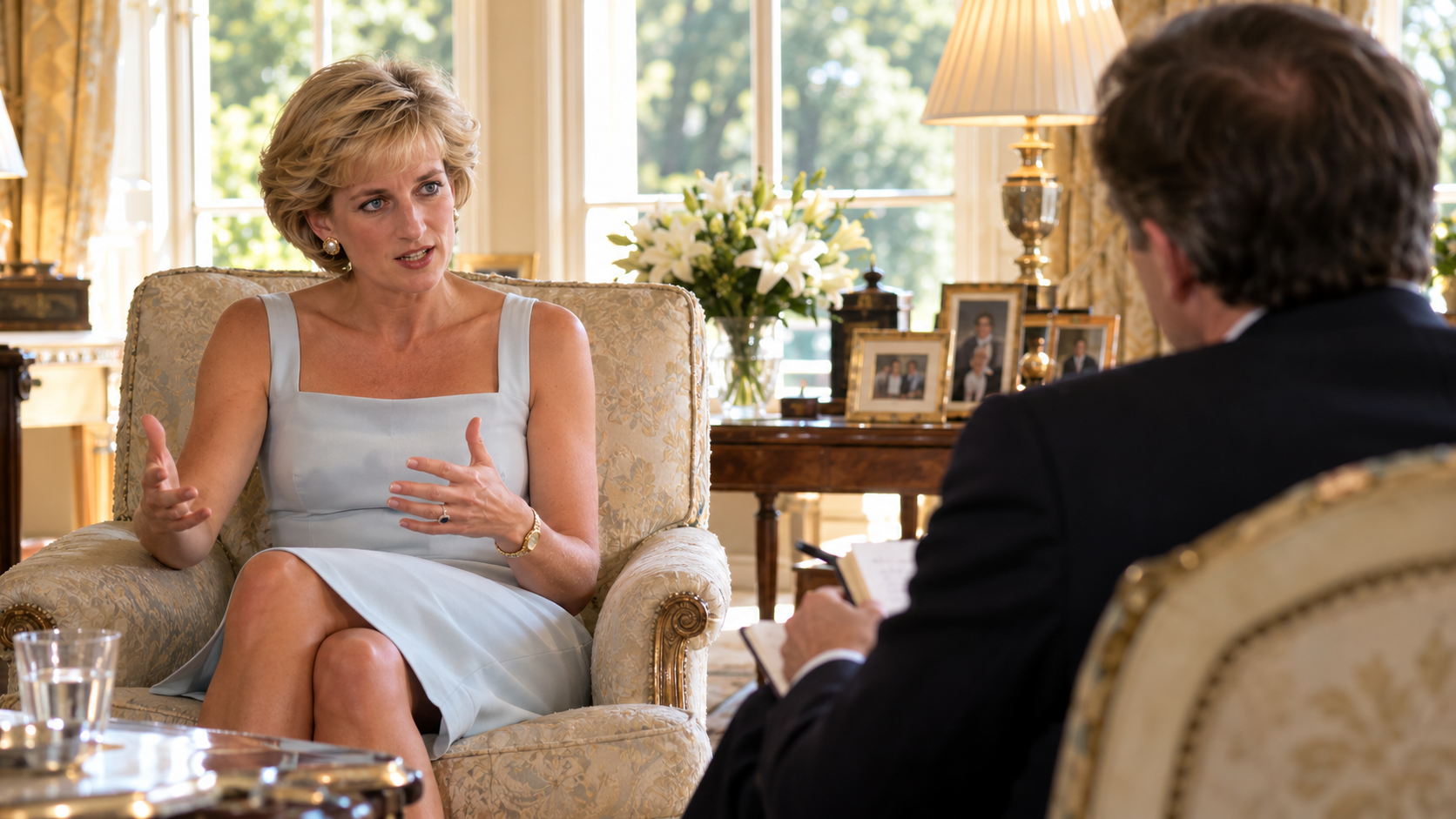
In 1997, Princess Diana’s campaign against landmines had become one of the defining causes of her life. In January, she had walked through a minefield in Angola. In early August, she visited Bosnia to meet survivors of landmine blasts.
Her campaigning had already caused friction with the Conservative government, which had been in power until May 1997. A junior minister had called her a loose cannon after her Angola visit.
During the summer, Diana gave an interview to the French newspaper Le Monde, focusing on her humanitarian work. It was published on 27 August 1997. In the interview, Diana was quoted making strikingly political comments. She was reported to have said that the previous government had been hopeless on the issue of landmines, and that the new Labour government would do wonderful work.
She also spoke about the press. She was quoted as saying that the press was ferocious, that it forgave nothing and only hunted for mistakes, and that every good intention was twisted.
In Britain, the comments caused anger. Some Conservative politicians said that a member of the royal family, even a divorced one, should not take sides in party politics. The interview reopened the debate about whether Diana was overstepping her role.
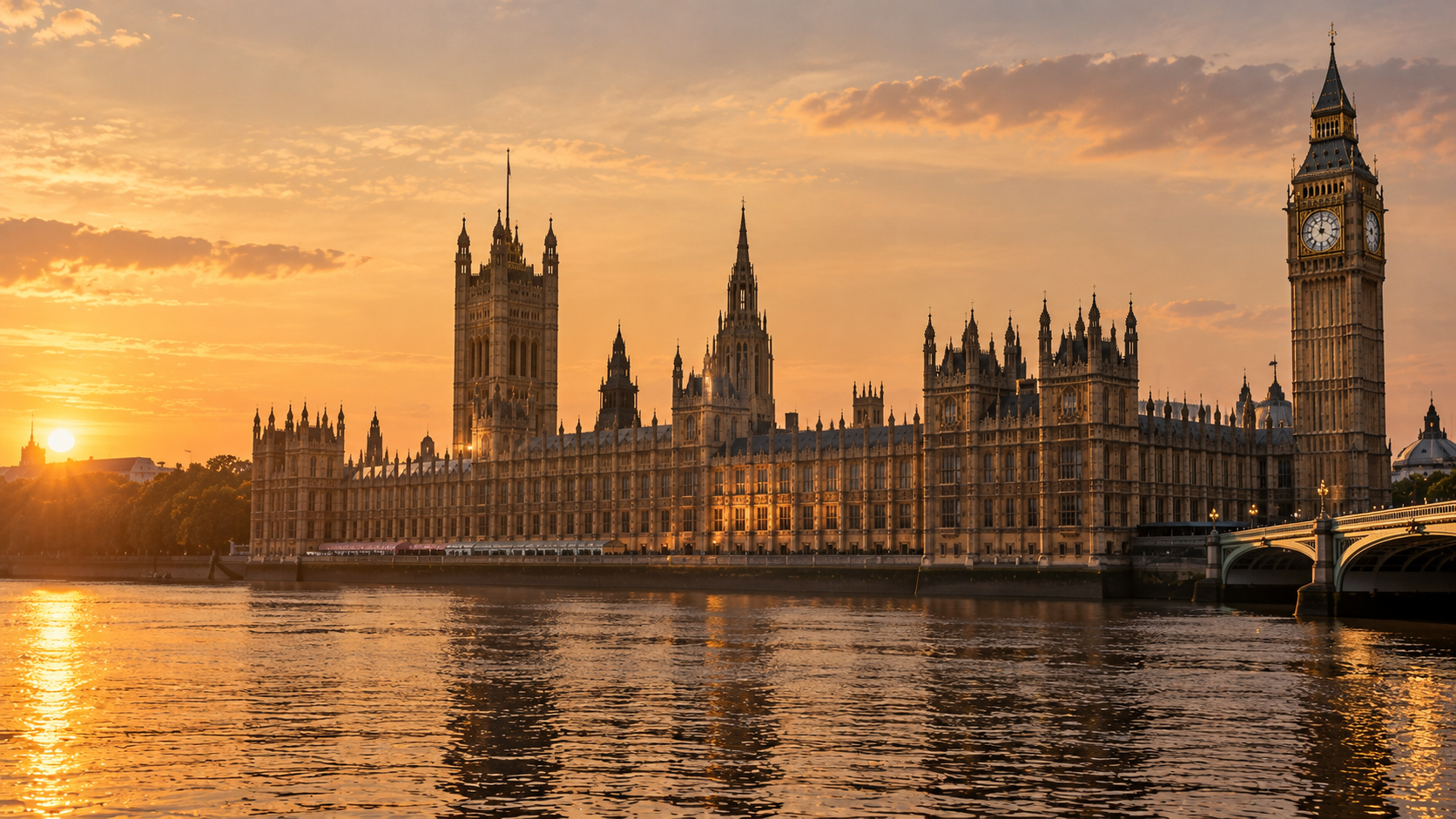
There was little time for the row to grow. Four days later, on 31 August 1997, Diana died in a car crash in Paris, pursued by photographers.
After her death, her words about the press took on a painful new meaning. Her description of a ferocious press that forgave nothing was quoted again and again.
Friends later said she had been looking forward to the future, with plans to continue her humanitarian work and spend more time with her sons.
The landmine campaign she had championed succeeded months later, when the Ottawa Treaty banning anti-personnel mines was signed in December 1997. Her final interview remains a rare record of Diana speaking openly, and politically, in the last days of her life.