
After Princess Diana died in August 1997, the world was overwhelmed with grief. Within days, a charity was set up in her name: the Diana, Princess of Wales Memorial Fund. Its aim was to carry on her work for causes she cared about.
At the same time, Diana’s image was everywhere. Companies around the world made souvenirs, from mugs to commemorative coins. Some were approved by the fund. Many were not.
One of the best-known sellers was the Franklin Mint, an American company famous for collectables. It sold Diana dolls, decorative plates and jewellery, often advertised in magazines and newspapers.
The Memorial Fund and Diana’s estate believed these products used her name and image without permission. In 1998, they took legal action against the Franklin Mint in the United States.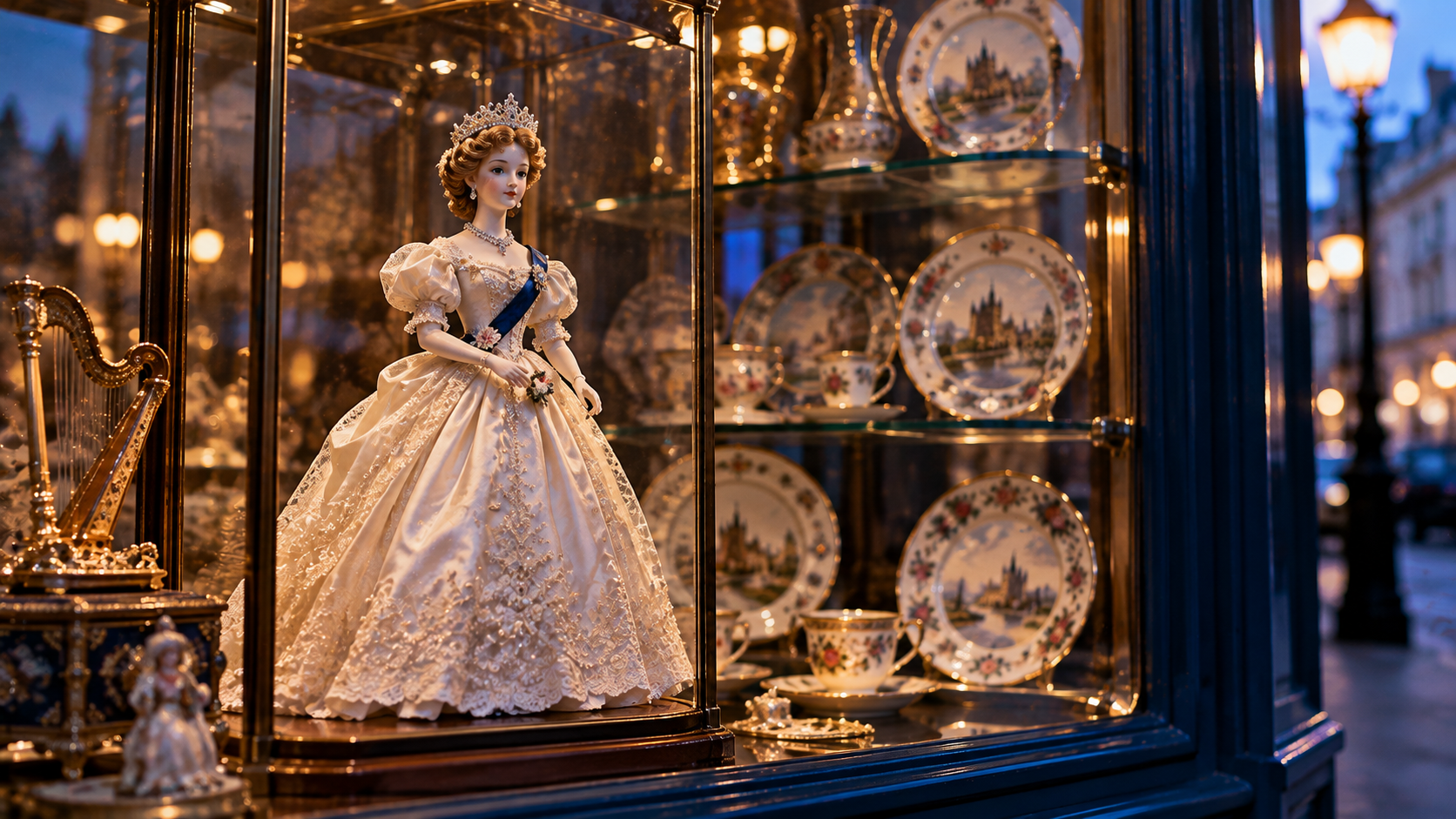
The case did not go their way. The American courts ruled against the fund and the estate, finding that the Franklin Mint was entitled to sell its Diana products under the law that applied.
Then the Franklin Mint hit back. It countersued, claiming it had been wrongly targeted and had suffered damage as a result of the legal action. The fund denied the claims.
The legal fight dragged on for years and became a serious worry for the charity. At one stage, according to reports, the fund froze its grants to good causes because of the uncertainty and the possible cost of the case.
Critics said the fund had been badly advised and should never have gone to court against such a powerful company. Supporters said it had acted in good faith to protect Diana’s memory from being exploited.
In 2004, the dispute was finally settled. Under the deal, a reported sum of about £13.5 million, or around $25 million, was paid to charitable causes agreed by both sides. Neither side admitted wrongdoing in public.
The settlement brought an end to a painful chapter. The fund went on to support many causes before closing in the 2010s. But the case remains a reminder of how hard it can be to protect a famous name, even for the people who loved her.