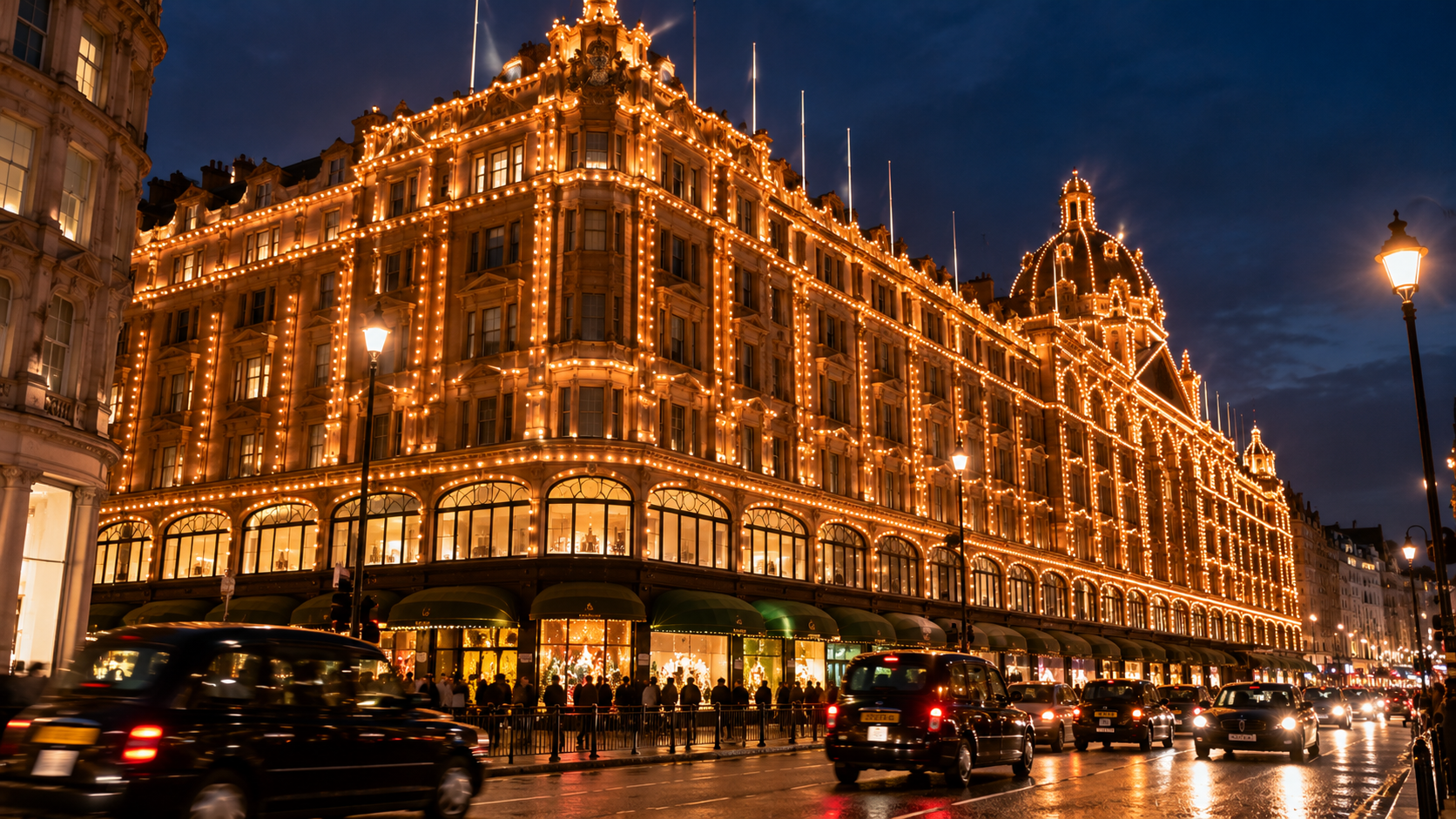
Mohamed Al Fayed was an Egyptian-born businessman who bought Harrods, the famous London department store, in 1985. For years, the store held royal warrants, official marks showing that it supplied goods to members of the royal family.
In August 1997, his son Dodi died alongside Princess Diana in the Paris car crash. Al Fayed was devastated. He soon began claiming that the couple had been murdered, and he publicly accused members of the royal family of being involved. No evidence ever supported these claims.
The relationship between Harrods and the palace collapsed. In December 2000, Prince Philip withdrew his royal warrant from the store. Reports said trade had declined and the relationship had broken down.
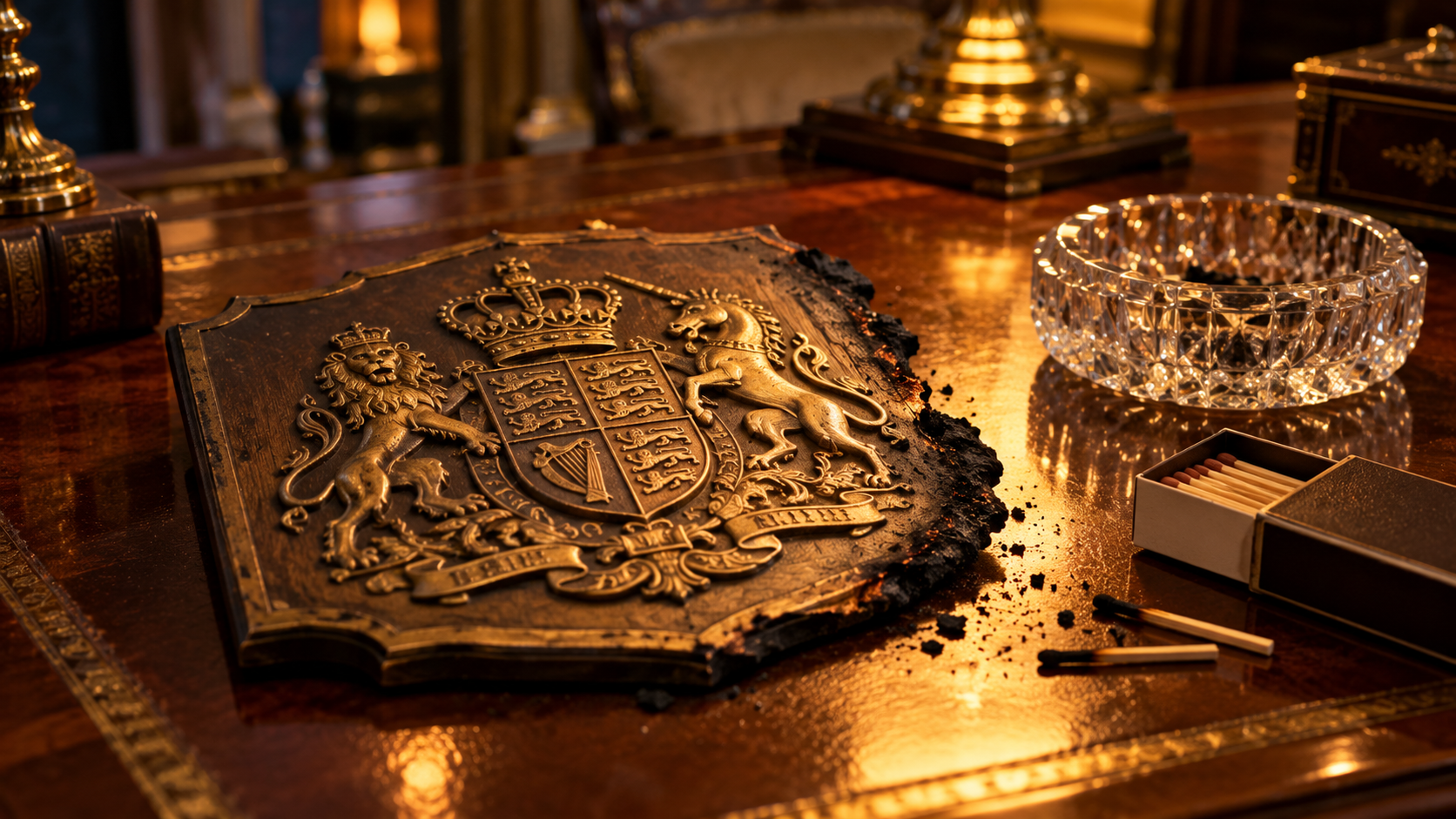
Al Fayed reacted angrily. Within months, Harrods removed the other royal warrants it held. Years later, he said publicly that he had burned them, describing them as a curse.
In 2005, he went further. Inside Harrods, he unveiled a bronze statue of Diana and Dodi dancing beneath an albatross, called Innocent Victims. Many visitors found it moving. Others thought it was in poor taste. Near the bottom of an escalator, a separate memorial displayed photographs and items linked to the couple.
At the official inquest into the deaths in 2008, Al Fayed repeated his claims of a conspiracy. The jury rejected them, ruling that the deaths were caused by the grossly negligent driving of the chauffeur and the pursuing photographers. Al Fayed then said he would end his campaign.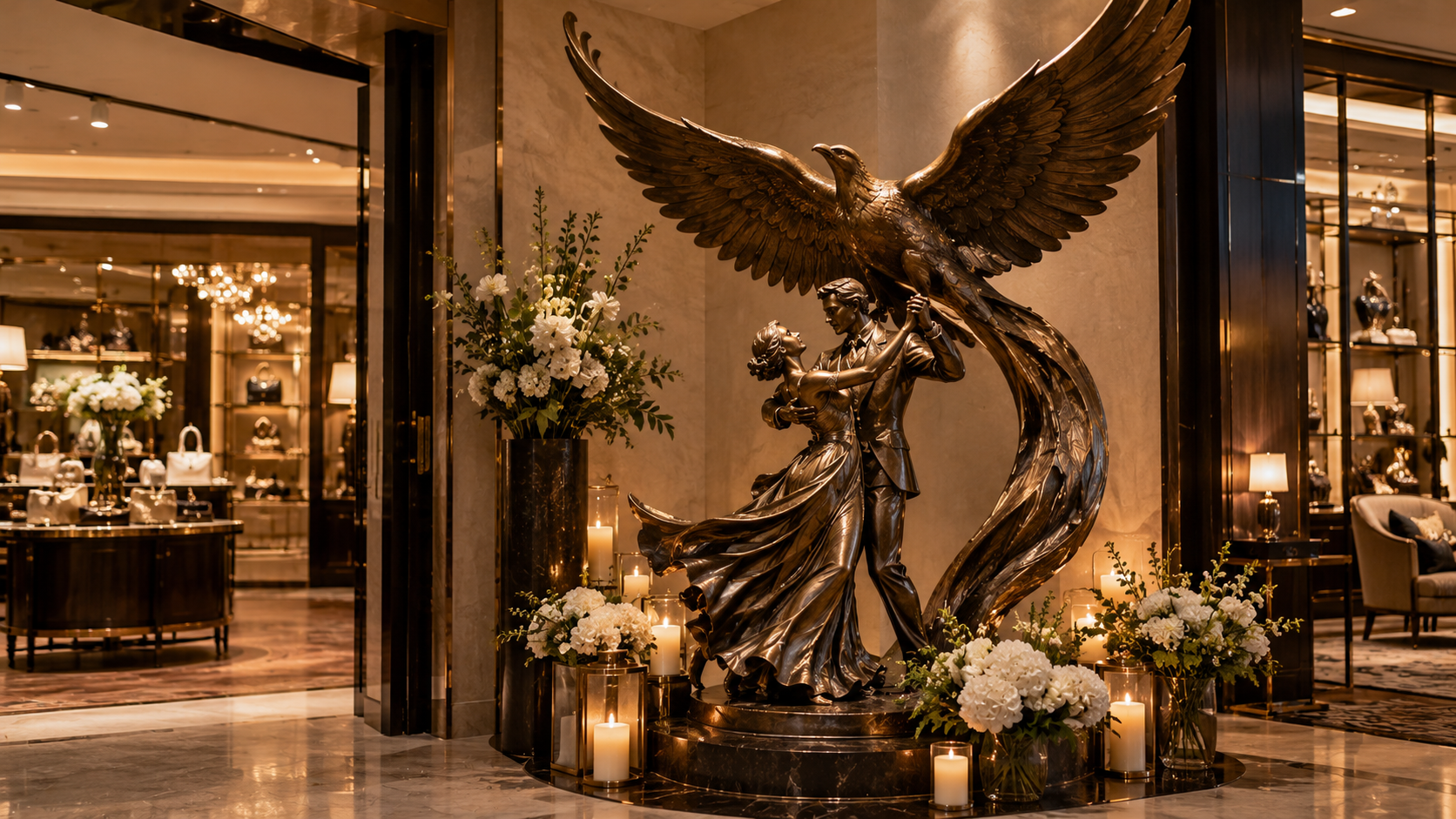
In 2010, he sold Harrods to Qatar Holding. The new owners later returned the statue to him in 2018, and it was removed from the store.
Al Fayed died in August 2023. His long feud with the palace remains one of the strangest chapters in the story of Diana’s death: a grieving father, a world-famous shop and a battle with the royal family that lasted more than a decade.