
James Hewitt was a cavalry officer who met Princess Diana in the mid-1980s. He later said they had a relationship lasting several years, and in her 1995 Panorama interview Diana admitted that she had loved him.
During that time, and while he was serving in the Gulf War in 1991, Diana wrote him many letters. They were private and personal, written to one man and not to the world.
Hewitt had already faced heavy criticism in the 1990s, after he cooperated with a book about the relationship. Many people felt he had betrayed Diana’s trust, and his name became linked with that idea in the public mind.
In 2003, six years after Diana’s death, new reports appeared. Newspapers said Hewitt was trying to sell 64 letters Diana had written to him. The reported asking price was around £10 million, which would have made them among the most expensive letters ever sold.
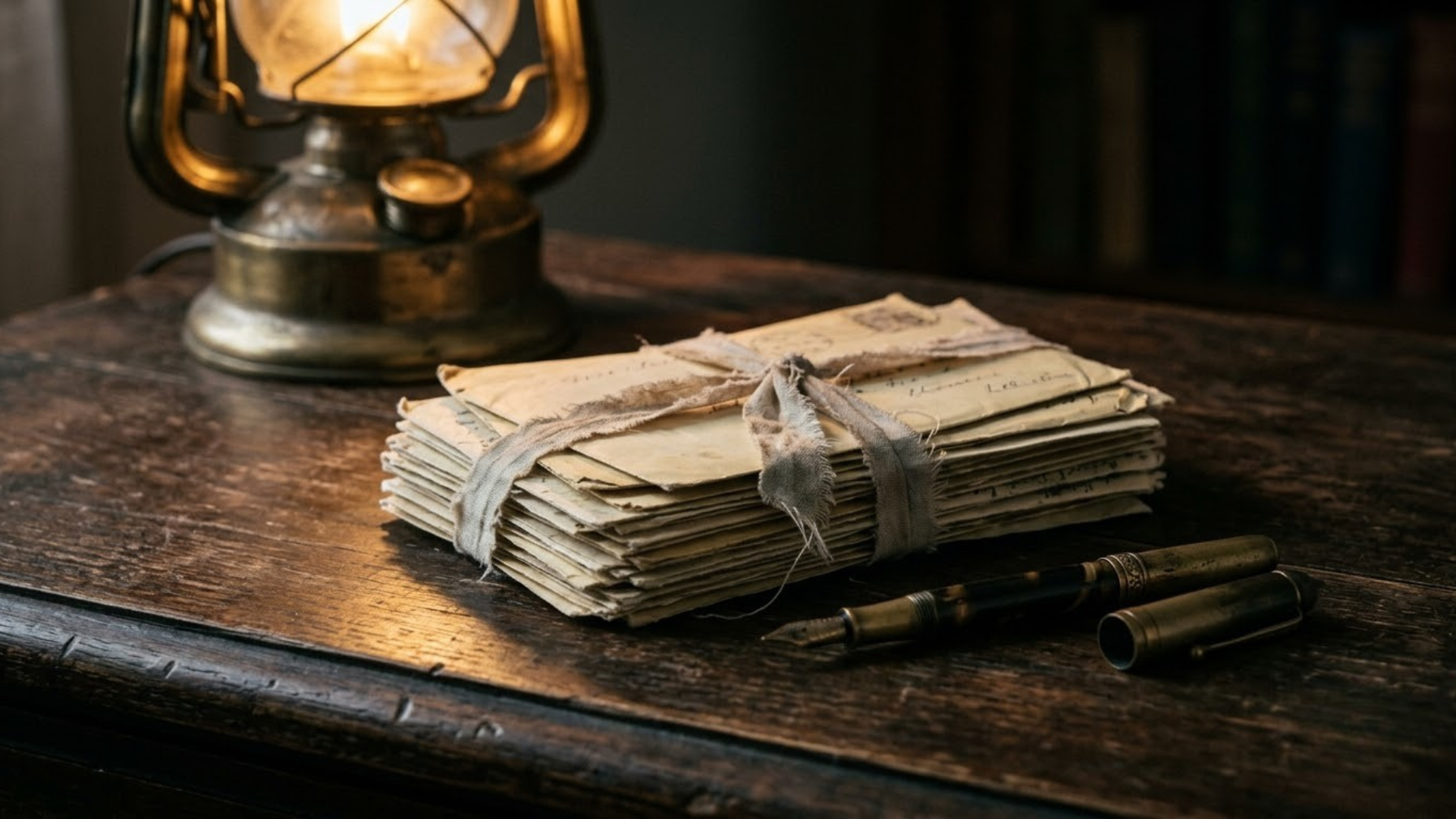
The reaction was fierce. Diana’s friends, royal commentators and members of the public condemned the idea. Many said the letters belonged to Diana’s private life, and that selling them would betray a woman who could no longer speak for herself.
There were also legal questions. Under British law, the person who receives a letter usually owns the paper it is written on, but the copyright in the words normally belongs to the writer, or to their estate. That meant the contents could not simply be published freely, even if someone bought the letters.
The story ran in the newspapers for weeks. For many readers, it seemed to confirm everything they already disliked about the way Diana’s private life had been treated since her death.
In the end, the sale did not go ahead. The reported £10 million deal never happened, and the letters remained private.
For many people, the row said something uncomfortable about Diana’s legacy. Her name, her photographs and even her private words still seemed to have a price, years after she had gone.
Hewitt has always said that he loved Diana. But for much of the public, the reports that her letters were being offered for millions were hard to forgive, and the episode remains one of the most criticised moments of his life.