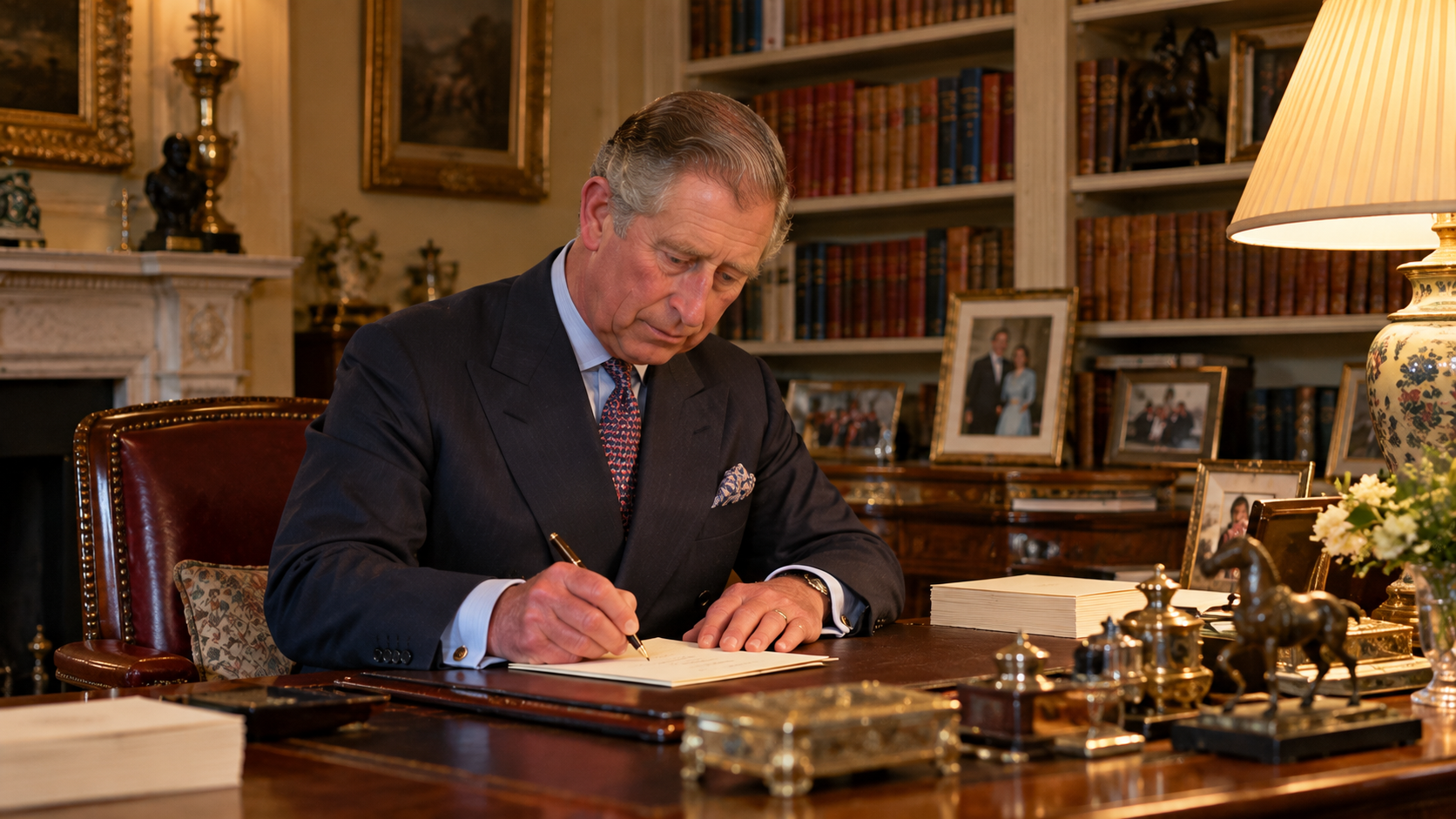
In the British system, the monarch and the heir to the throne are expected to stay politically neutral. They can be consulted and can advise in private, but they are not supposed to take sides in public political debates.
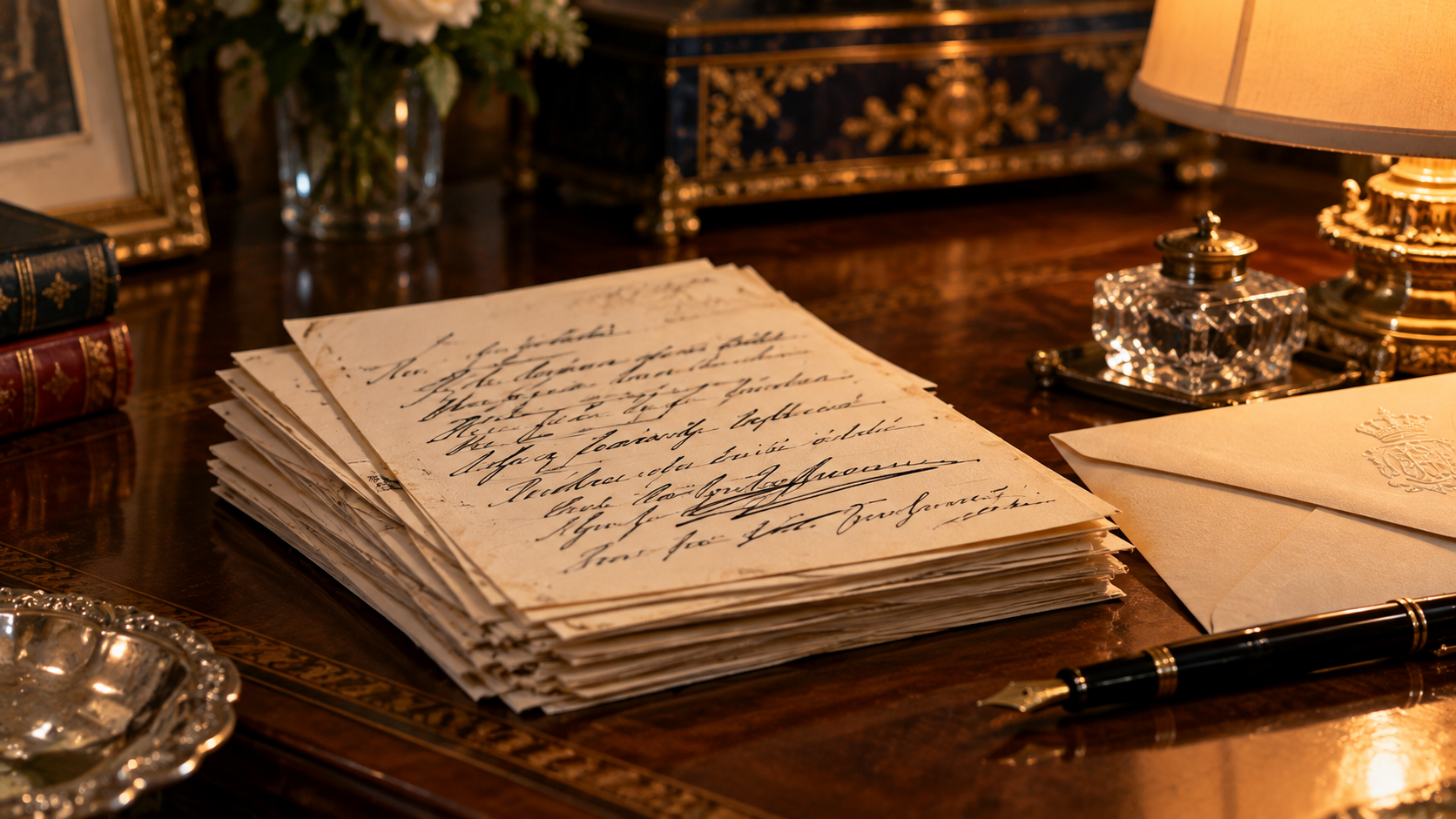
Prince Charles had strong views on many subjects, from farming and the environment to architecture and alternative medicine. For years, he expressed them in private letters to government ministers, written in thick black ink with heavy underlining and many exclamation marks. Because of the handwriting, they became known as the black spider memos.
In 2005, a journalist from The Guardian newspaper used freedom of information laws to request letters Charles had sent to ministers. The government refused, arguing that releasing them could damage his perceived political neutrality.
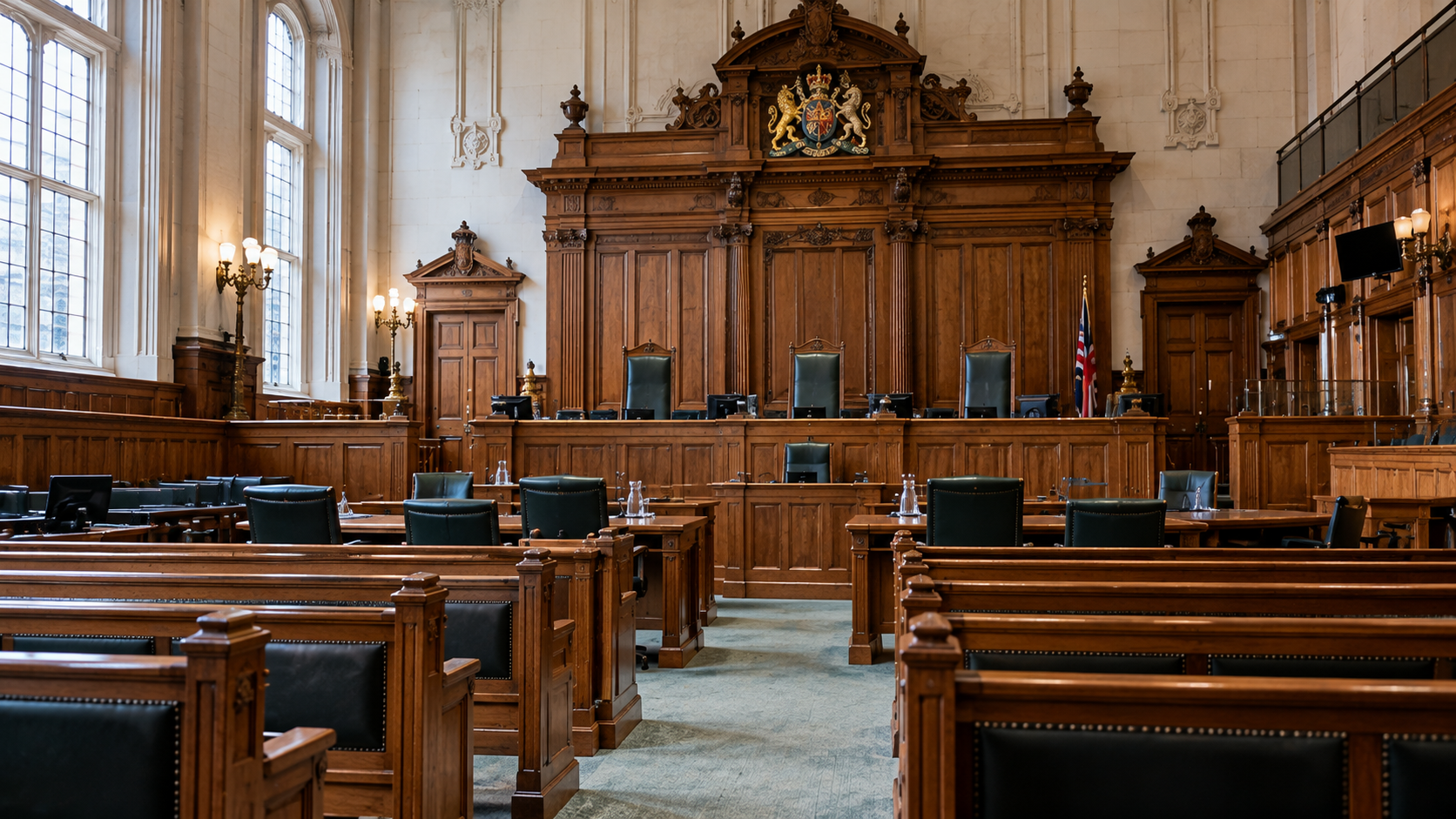
What followed was a legal battle lasting around ten years. The case went through tribunals and courts, and at one point the Attorney General used a special veto to block publication. Finally, in March 2015, the Supreme Court ruled that the veto had been unlawful and that the letters could be released.
On 13 May 2015, 27 letters were published. They showed Charles lobbying ministers on a wide range of issues. He raised concerns about bovine tuberculosis and badger culling, pushed for support for herbal medicine, discussed architecture and historic buildings, and wrote about the illegal fishing of the Patagonian toothfish.
In one letter, he raised concerns about the equipment available to British troops in Iraq, suggesting that helicopters were not good enough for the task.
Reaction was divided. Critics said the letters showed the heir to the throne trying to influence government policy, which they argued was inappropriate for a future king. Supporters said the letters were mostly harmless, well-meaning and focused on causes Charles had cared about for decades.
Clarence House said the prince had raised issues of public concern and that he had every right to communicate privately with ministers.
In 2022, Charles became King. In speeches before his accession, he acknowledged that being monarch would be different from being Prince of Wales, and that he would not be able to campaign in the same way. The black spider memos remain a rare window into how a future king tried to make his voice heard behind closed doors.