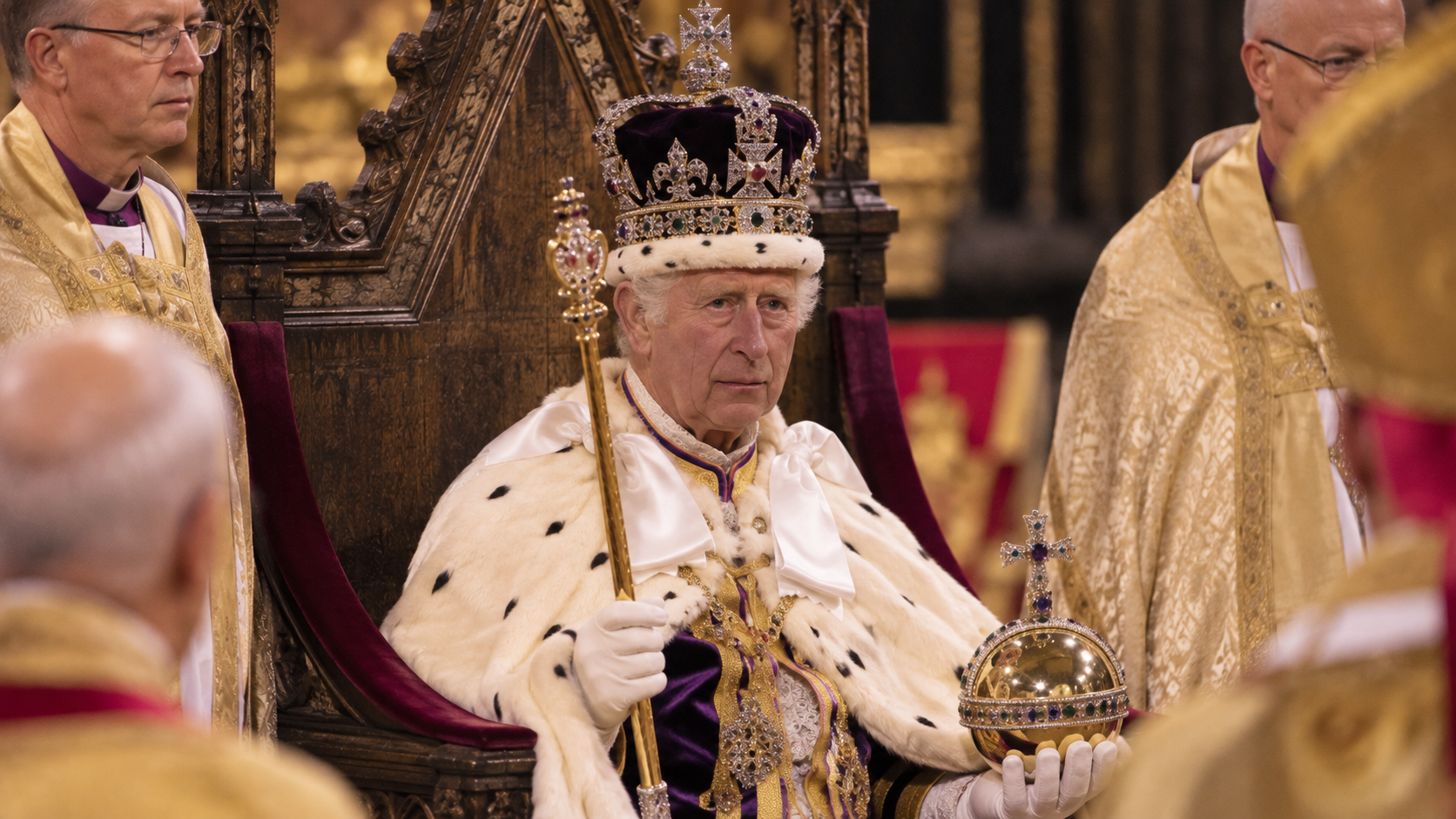
On 6 May 2023, King Charles III was crowned at Westminster Abbey. It was the first coronation in Britain for 70 years, and the organisers wanted to blend ancient tradition with modern touches. Around the world, millions of people tuned in to watch.
In late April, Lambeth Palace, the office of the Archbishop of Canterbury, published the order of service. One new section quickly caught everyone’s attention.
It was called the Homage of the People. In the past, hereditary peers had knelt and paid homage to the new monarch. This time, the service would invite everyone in the Abbey, and everyone watching at home, to join in.
The words began: I swear that I will pay true allegiance to Your Majesty, and to your heirs and successors according to law. They ended with: So help me God.
The reaction was immediate. Critics said it was out of touch to ask the public to swear loyalty to the King. The campaign group Republic called it offensive. Even some supporters of the monarchy said it felt uncomfortable.
Some critics also pointed out that the King was meant to serve the people, not the other way round. Social media quickly filled with jokes and angry comments, and the story led several newspaper front pages.
Others defended the idea. They said it was a chance for ordinary people to take part in a historic day, and that no one would be forced to say anything.
As the row grew, Lambeth Palace responded. It explained that the homage was meant as an invitation, not a command, and that people could say the words, think them quietly, or simply stay silent.
On the day itself, the wording was softened. The Archbishop invited all who wished to join in, rather than calling on everyone. In the Abbey, voices rang out, while at home many people chose to stay quiet.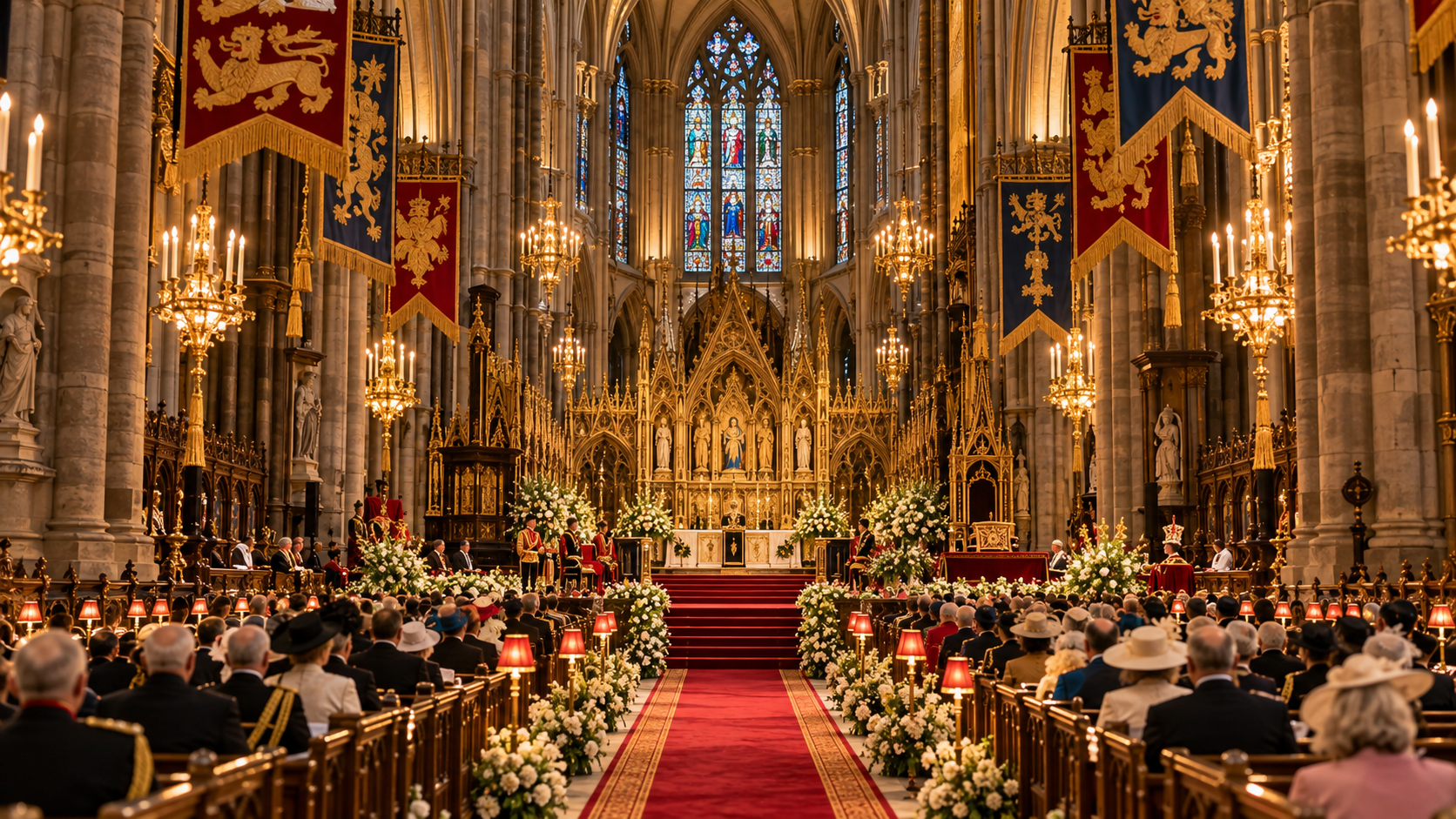 In the end, the Homage of the People became one of the most talked-about parts of the coronation. It showed how hard it can be to make an ancient ceremony feel modern, and how quickly a well-meant idea can turn into a national debate.