By the end of 1995, the marriage of the Prince and Princess of Wales had become the most public breakdown in royal history. The couple had separated in December 1992, but neither had asked for a divorce.
In June 1994, Charles admitted on television that he had been unfaithful after the marriage had broken down. Then, on 20 November 1995, Diana gave her famous Panorama interview, telling the world there were three people in her marriage.
For the Queen, it was too much. The monarchy was being damaged by an open war between the heir to the throne and his wife, and there seemed to be no end in sight.
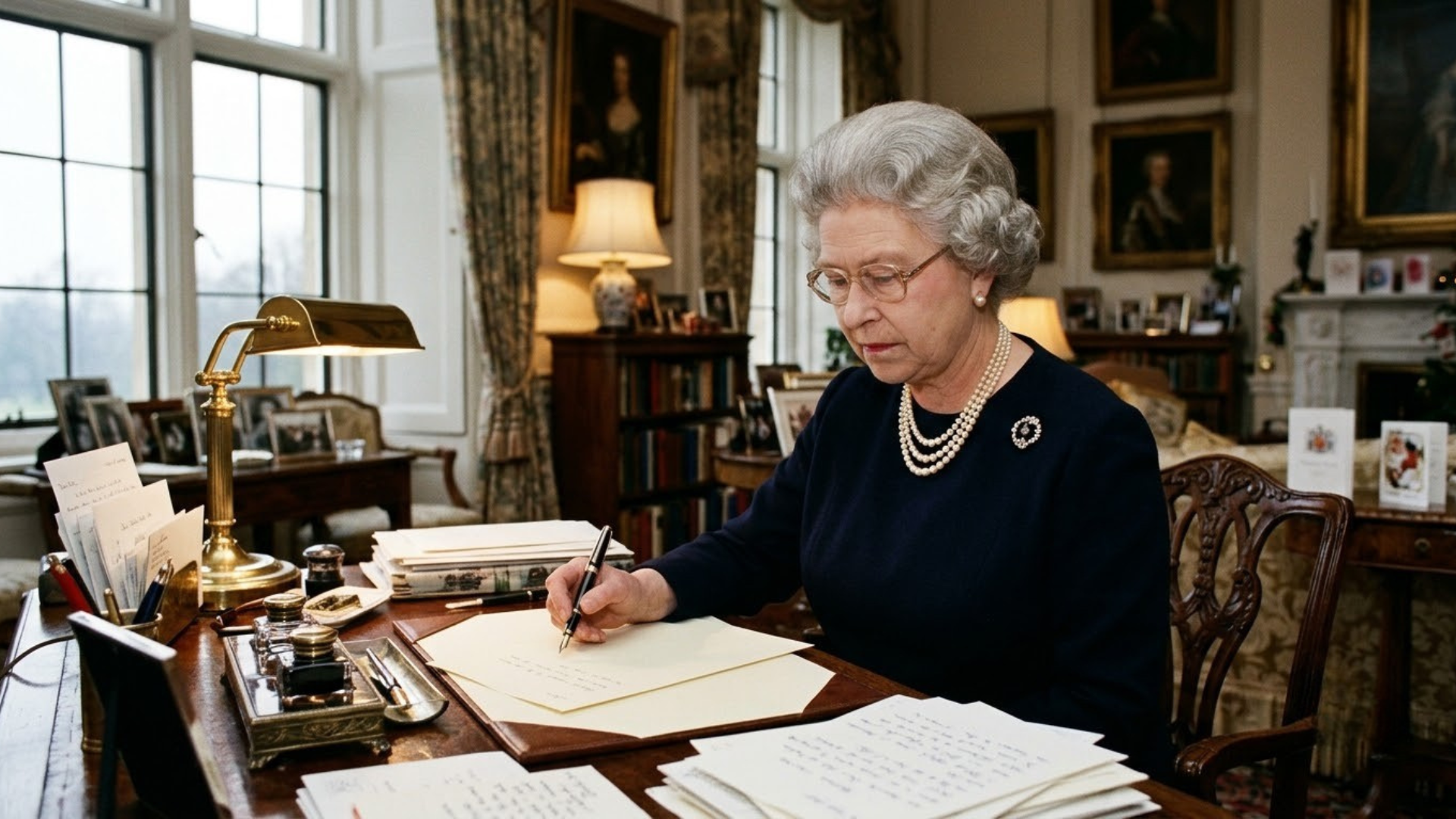
According to reports, the Queen took advice from senior figures, including the Prime Minister, John Major, and the Archbishop of Canterbury. She then did something very unusual. She sat down and wrote personal letters to both Charles and Diana.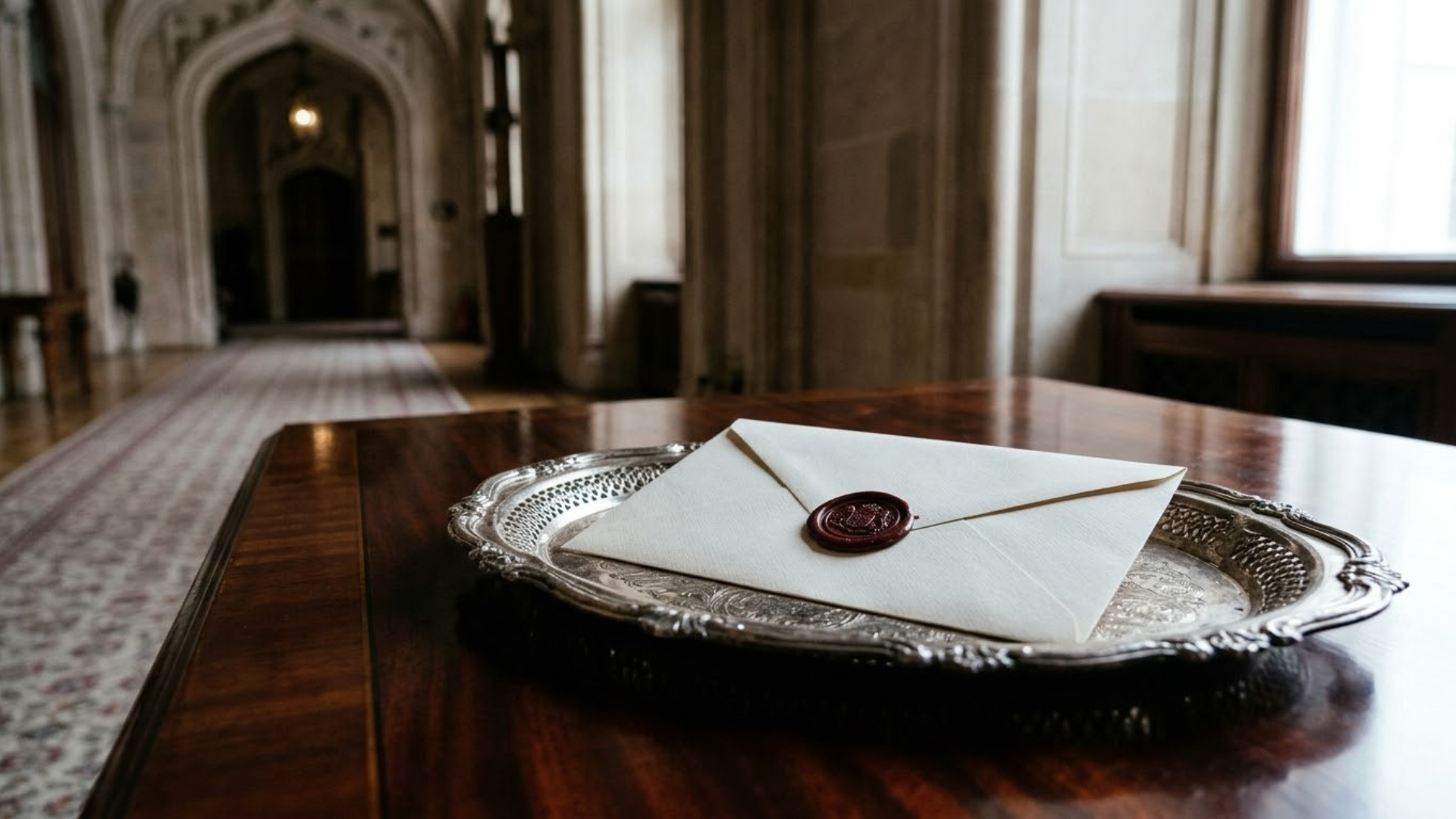
In the letters, she urged them to agree to an early divorce. On 20 December 1995, Buckingham Palace confirmed that the letters had been sent, and that the Queen believed a divorce was in the best interests of the country.
Charles quickly made it clear that he agreed. Diana was more cautious. She said she needed time to think, and her lawyers began long talks about the settlement.
Behind closed doors, the talks were reportedly tense. Questions about money, titles, homes and time with the boys all had to be agreed.
In February 1996, after a meeting with Charles, Diana announced that she had agreed to the divorce. Her public statement reportedly irritated the Palace, because details had not yet been settled.
The negotiations went on for months. Diana received a large settlement but lost the style Her Royal Highness. She kept the title Princess of Wales and her apartments at Kensington Palace.
The divorce became final on 28 August 1996, fifteen years after a wedding watched by hundreds of millions.
The Queen rarely stepped so directly into her family’s private life. Her letters showed that, behind the calm public face, she was prepared to act firmly when she believed the Crown itself was at risk.