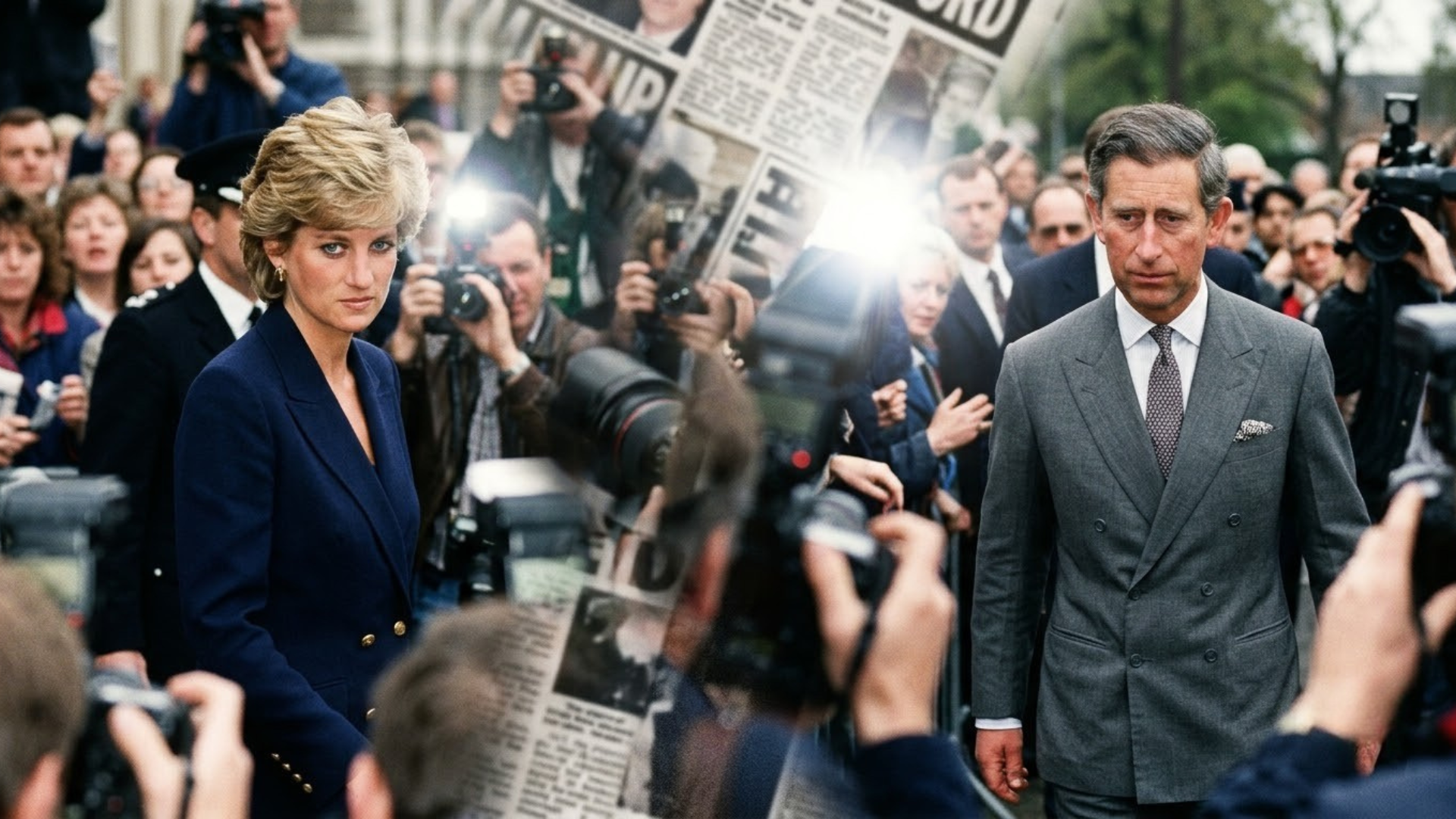
By 1992, the marriage of the Prince and Princess of Wales was in deep trouble. In public, they still appeared together on official duties. In private, they were living increasingly separate lives.
That year, the truth began to spill out, and it did not come out quietly. Instead, it was fought out in the pages of Britain’s newspapers, in a conflict the press called the War of the Waleses.
The first big blow came in June 1992. Andrew Morton’s book Diana: Her True Story was serialised in a Sunday newspaper. It painted a picture of a lonely princess in an unhappy marriage, and several of Diana’s friends had spoken to the author.
Charles’s friends were furious. They believed the book was deeply unfair to him, and they began to hit back. Some reportedly spoke to rival newspapers, offering a very different picture of the marriage.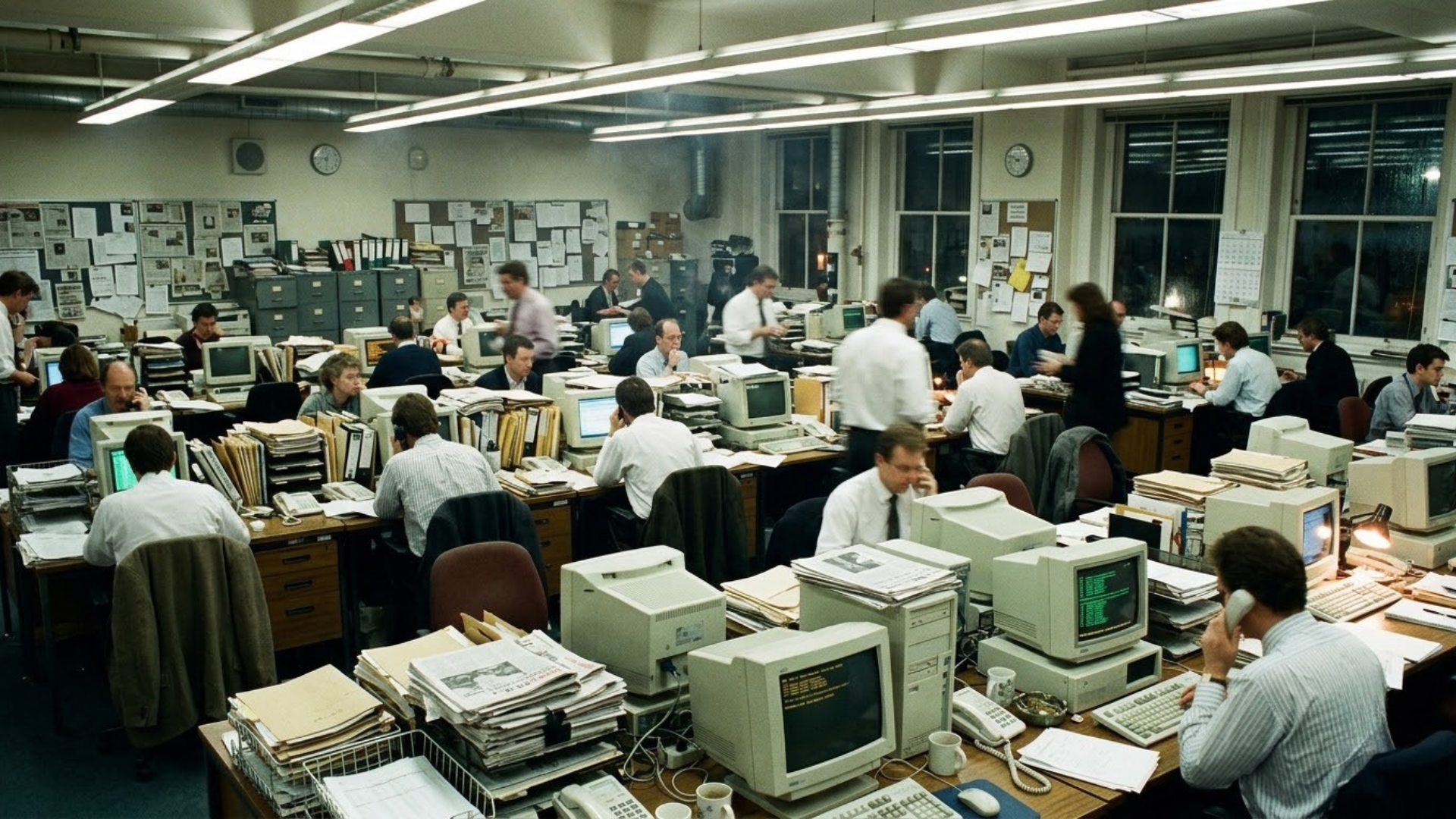
In their version, Charles was a patient husband who had tried to cope with a difficult and unpredictable wife. Diana’s supporters saw these stories as an attempt to damage her reputation.
Newspapers began to take sides. Some papers became known as Diana’s champions, while others were seen as closer to Charles. Every week seemed to bring a new leak, a new anonymous friend and a new claim.
For readers, it was gripping, and sales soared. For the royal family, it was a disaster. The private problems of the heir to the throne were being discussed over breakfast tables across the country.
The briefings were only part of the story. Later that year, recordings of private phone calls added fresh embarrassment for both sides.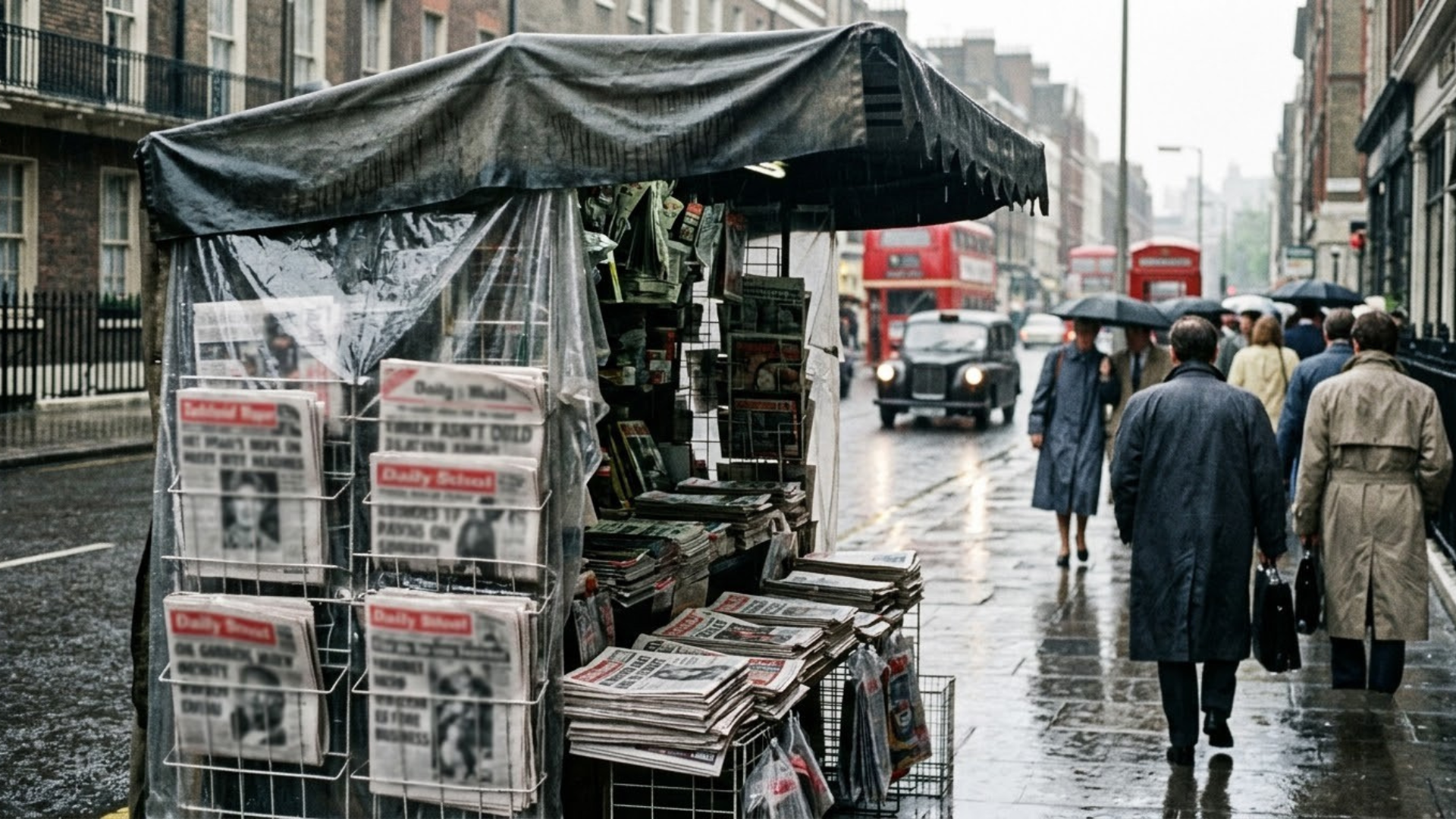
In December 1992, the Prime Minister announced the couple’s separation in Parliament. But the battle did not end there. In 1994, Charles gave his side of the story at length through a biography and documentary by Jonathan Dimbleby.
Looking back, the War of the Waleses showed how dangerous it could be when private pain became public ammunition. Nobody truly won. Instead, both a prince and a princess saw their most private struggles turned into headlines.