In the early hours of 31 August 1997, Princess Diana died after a car crash in a tunnel in Paris. She was 36. Within hours, the news had spread around the world.
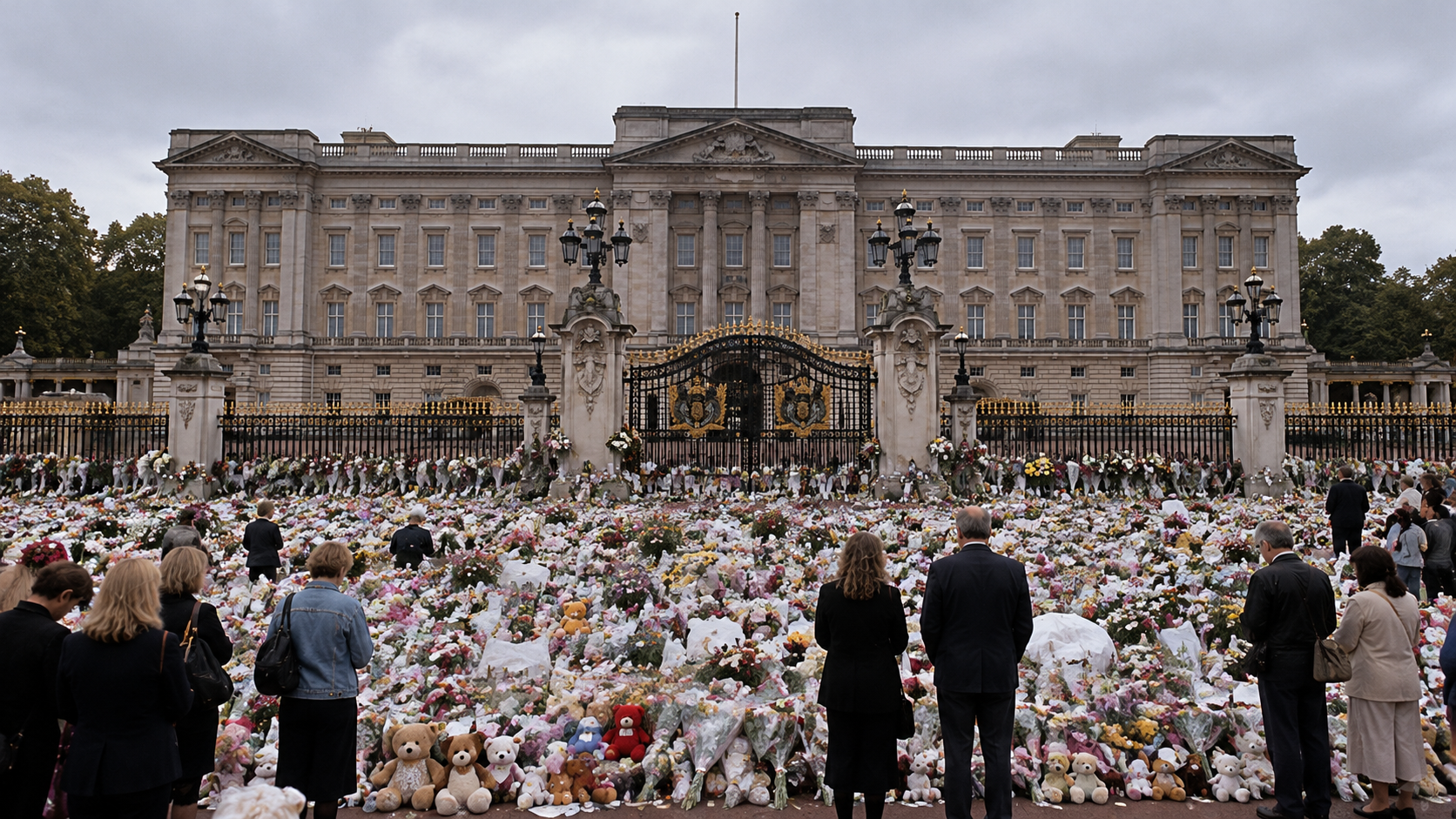
That morning, Prime Minister Tony Blair spoke to the cameras and called her the People’s Princess. Britain went into a kind of grief it had never seen before. People queued for hours to sign books of condolence. Outside Kensington Palace and Buckingham Palace, a sea of flowers began to grow. Over the following days, more than a million bouquets were left.
But the royal family was not in London. The Queen was at Balmoral, her estate in Scotland, with Prince Charles and the young princes, William and Harry. The family believed their first duty was to protect the boys, who had just lost their mother.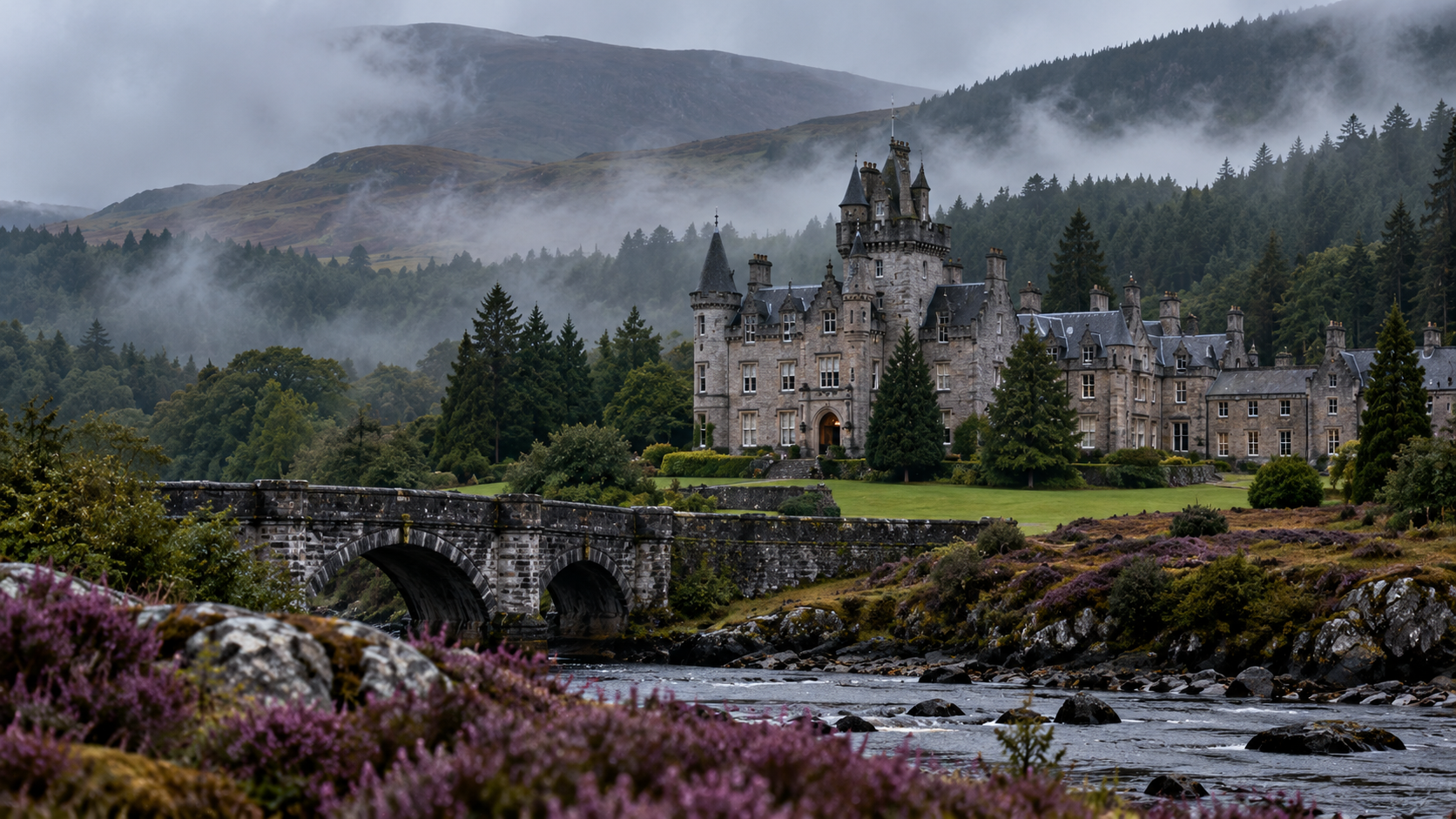
To many grieving people, that silence felt cold. Their anger focused on one symbol: the empty flagpole over Buckingham Palace.
Under royal tradition, the only flag flown there was the Royal Standard, and only when the monarch was in residence. It was never lowered to half-mast, even for a death. To the palace, this was simple protocol. To the public, it looked as if the royal family did not care.
The newspapers turned on the royal family. One front page demanded simply: Show us you care. Each day the pressure grew.
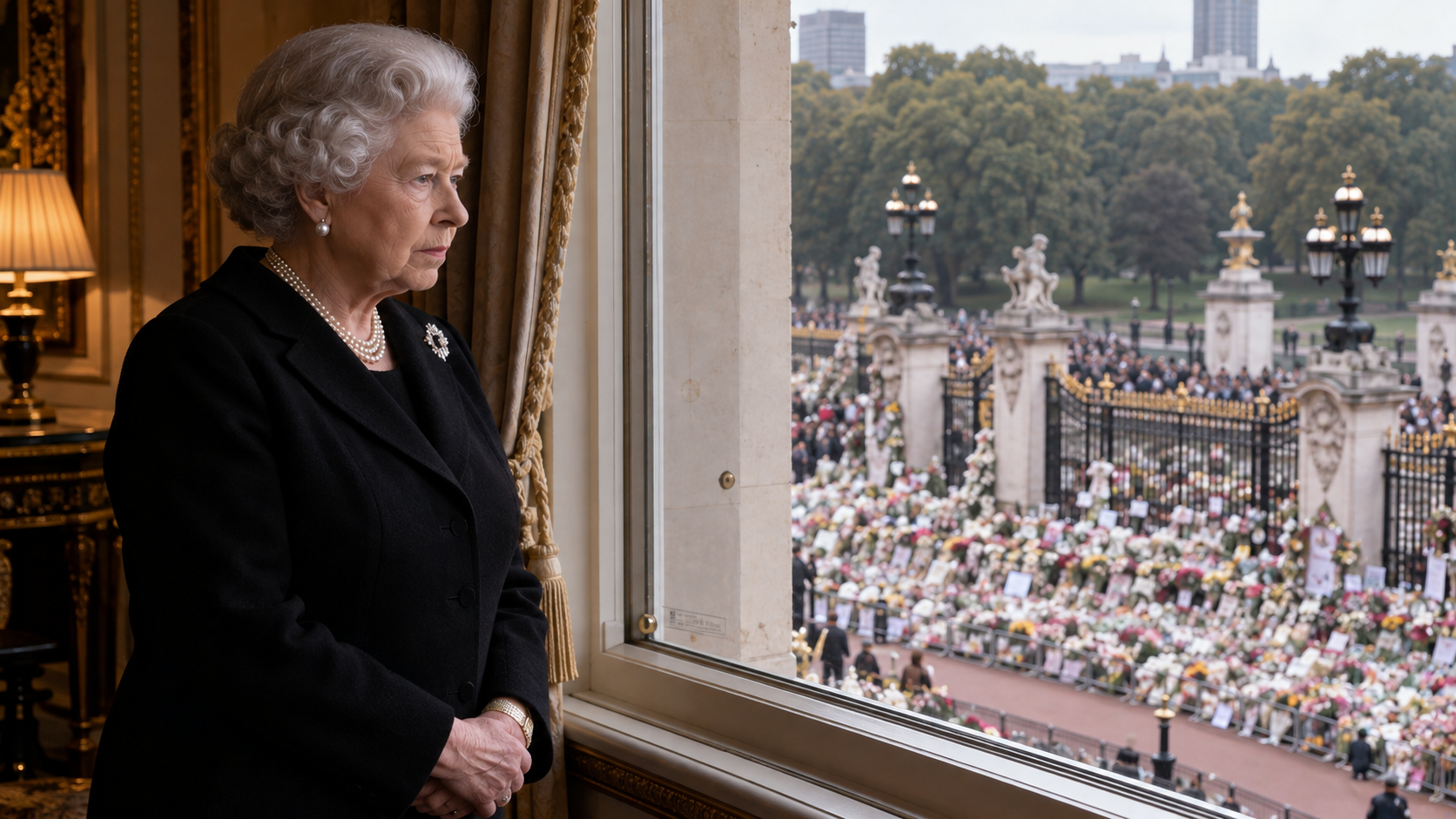
Finally, the royal family responded. On 5 September, the Queen returned to London. She and Prince Philip walked among the flowers outside Buckingham Palace and spoke with mourners. That evening, she gave a rare live television address. She said she was speaking as their Queen and as a grandmother, and paid tribute to Diana as an exceptional and gifted human being.
The next day, on the morning of the funeral, a Union Flag flew at half-mast over Buckingham Palace for the first time.
The change became permanent. Today, the Union Flag flies over the palace when the monarch is away. For many historians, that week in 1997 was one of the most dangerous moments of Queen Elizabeth II’s long reign, and the moment the monarchy learned it had to change.