In the early hours of 31 August 1997, Princess Diana, Dodi Fayed and their driver, Henri Paul, died after their Mercedes crashed in the Pont de l’Alma tunnel in Paris. The world was left in shock.
French investigators began a huge inquiry. As they examined the Mercedes, they found something unexpected: small traces of white paint and fragments of a rear light that did not come from the car itself.
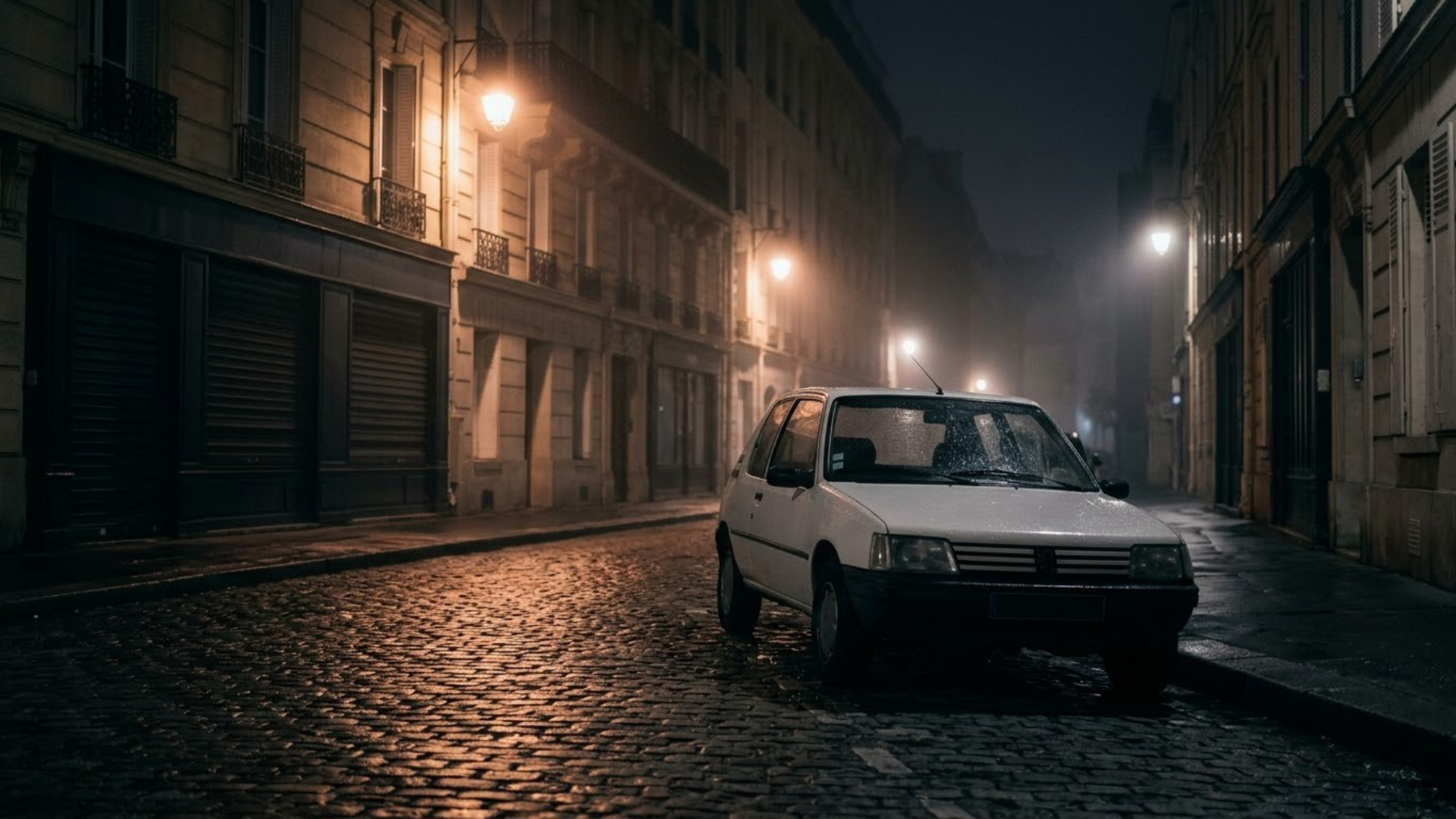
Tests suggested the paint and the light came from a white Fiat Uno, a small and common hatchback. It appeared that the Mercedes had made light contact with the Fiat in or near the tunnel.
Some witnesses also reported seeing a small white car leaving the area shortly after the crash. The question was simple: who was driving it, and why did they never come forward?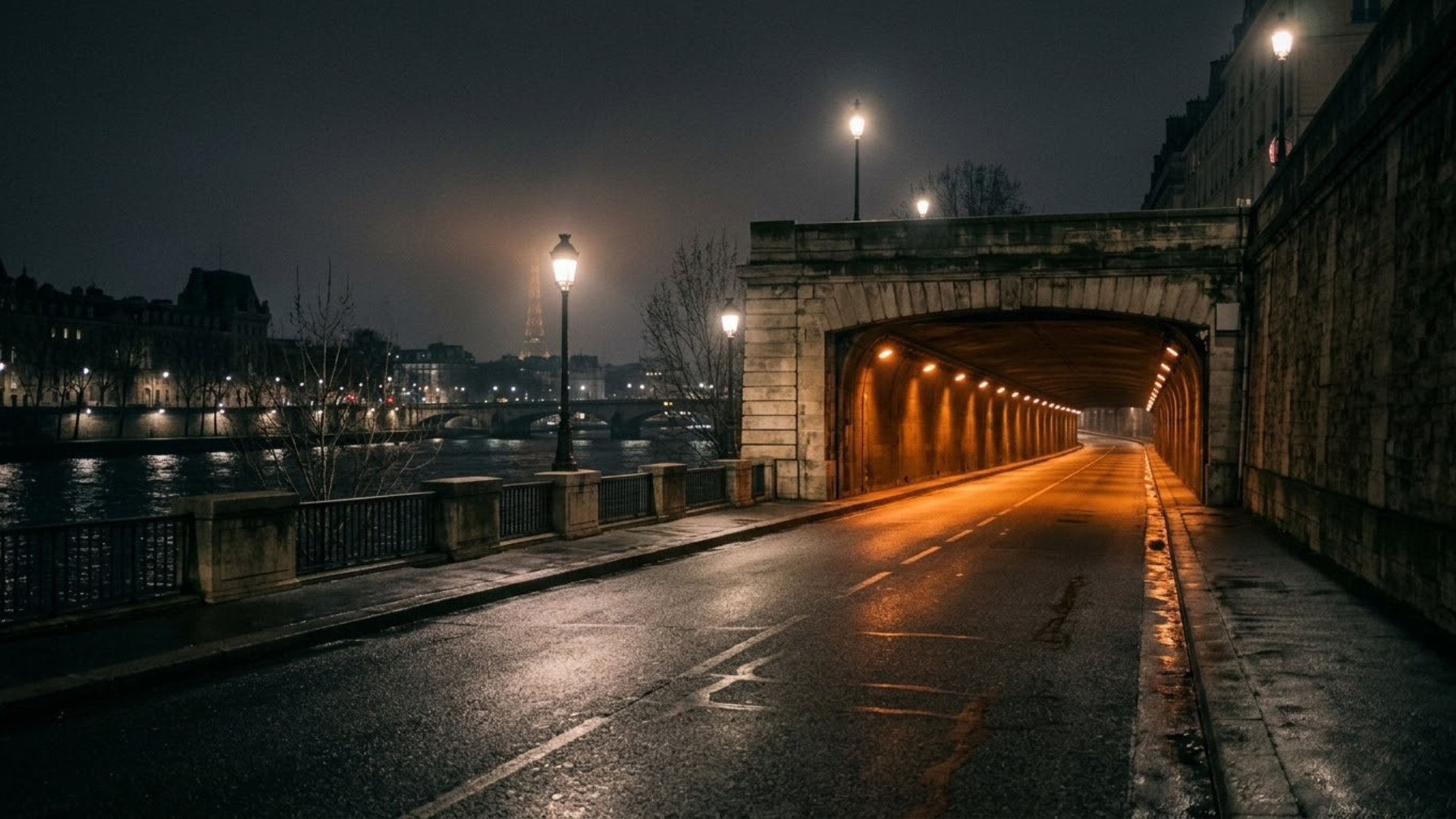
French police launched a massive search. Thousands of white Fiat Unos were reportedly checked, and garages were asked about repairs. Yet the car and its driver were never formally identified.
The missing car became one of the most talked-about details of the whole tragedy. Conspiracy theories spread, suggesting the Fiat had been part of a deliberate plot. None of these theories were ever proven.
In 2004, the Metropolitan Police in London began its own investigation, called Operation Paget. It looked again at all the evidence, including the white paint.
In December 2006, Operation Paget published its report. It accepted that there had probably been contact between the Mercedes and a white Fiat Uno. But it concluded that the Fiat had not been involved in deliberately causing the crash.
The report found no evidence that the Fiat’s driver had any link to a plot. It was most likely an ordinary motorist who panicked and drove away, or perhaps did not realise how serious the collision had been.
Not everyone accepted the findings, and the theories never fully went away. The 2008 inquest later gave its own verdict on the crash. But the white Fiat Uno remains one of the great unanswered questions of that night. Somewhere, perhaps, someone still knows the truth.