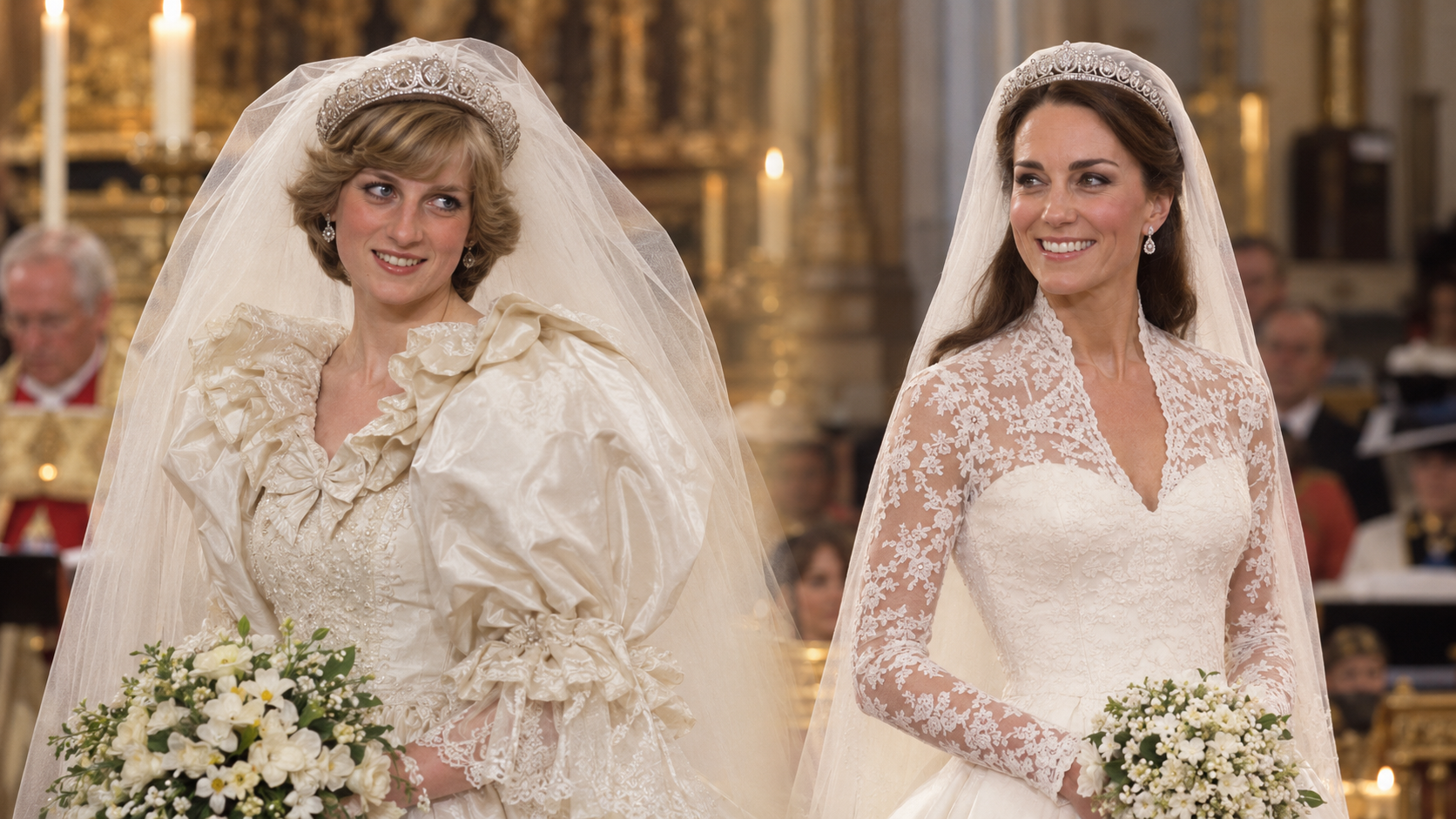
For centuries, a bride in the Church of England promised to love, cherish and obey her husband. The words came from the old Book of Common Prayer, and for generations women said them without a second thought.
Royal brides were no different. When Princess Elizabeth married Philip Mountbatten at Westminster Abbey in 1947, she promised to obey him, even though she would one day be his Queen.
By 1981, things were starting to change. When Lady Diana Spencer married Prince Charles at St Paul’s Cathedral on 29 July, an estimated 750 million people around the world watched on television.
Those who listened closely noticed something new. Diana promised to love him, comfort him, honour and keep him, but she did not promise to obey. Newspapers reported the change the next day, and many saw it as a sign of a more modern kind of royal bride.
It was not the only memorable moment in her vows. Nervous in front of the huge congregation, Diana famously mixed up the order of her husband’s names, a small slip that made millions of viewers smile.
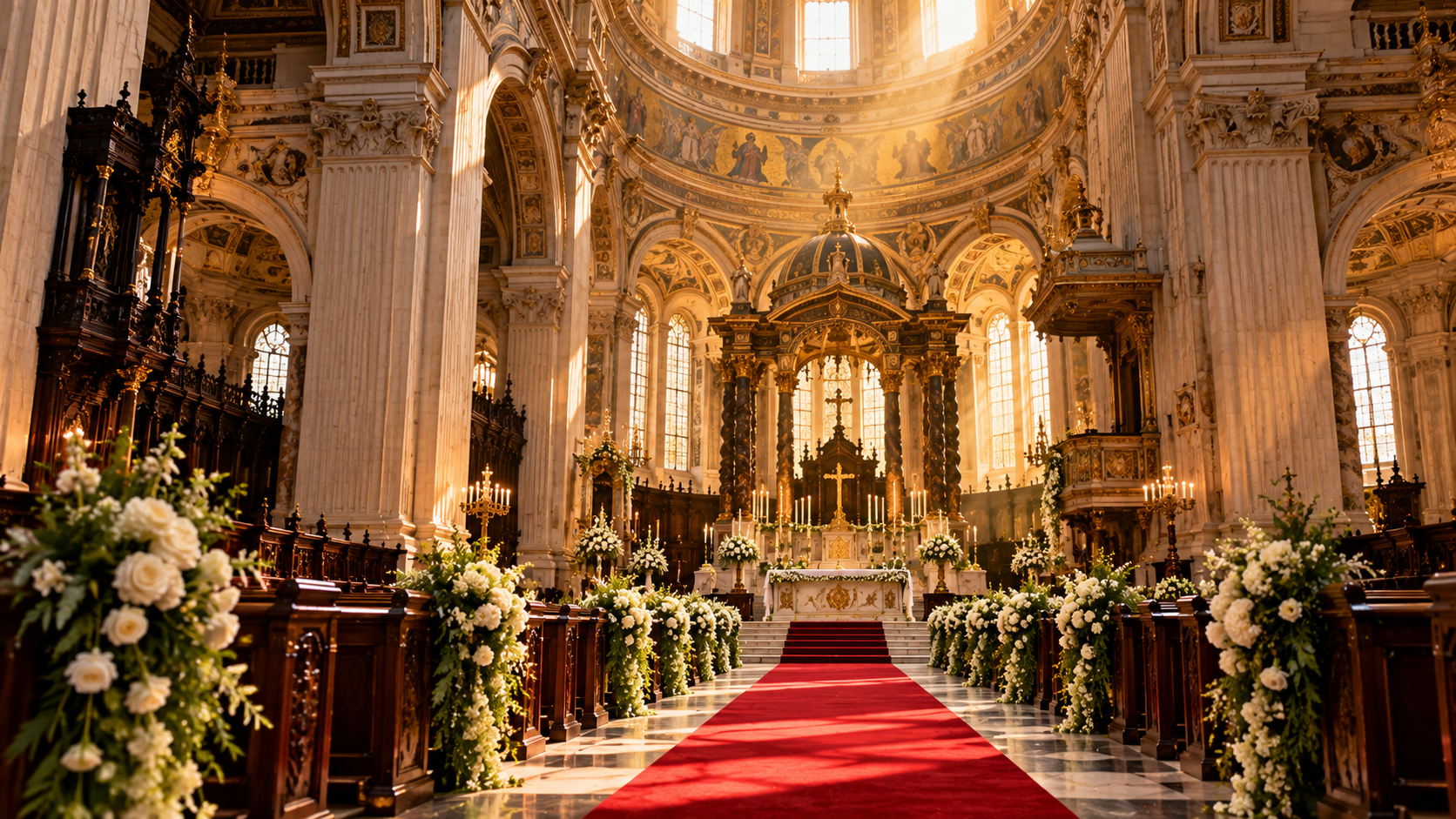
Thirty years later, on 29 April 2011, Catherine Middleton married Prince William at Westminster Abbey. Many people noted that it was the same church where his mother’s funeral service had been held in 1997.
Kate followed Diana’s lead. Her vows, too, left out the word obey. William and Kate had chosen a form of service that allowed the couple to make the same promises to each other, and royal watchers were quick to point out the link with his mother.
Seven years later, Meghan Markle did the same when she married Prince Harry at St George’s Chapel, Windsor, in May 2018. By then, the missing word hardly surprised anyone.
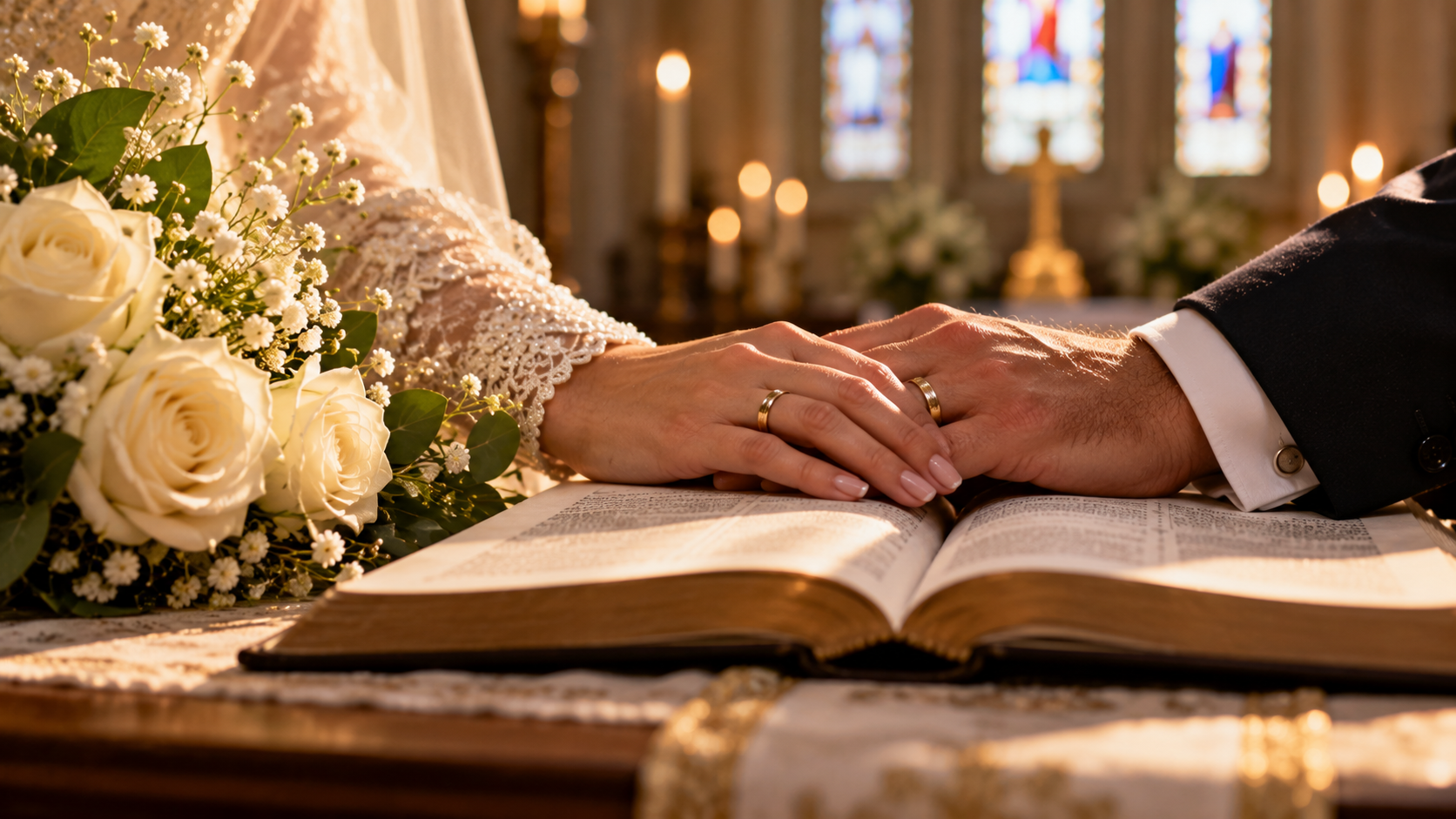 It may seem like a small detail, just one word in a long ceremony. But for many people, it showed how royal marriages had changed. Each bride was still promising love and loyalty, but as an equal partner.