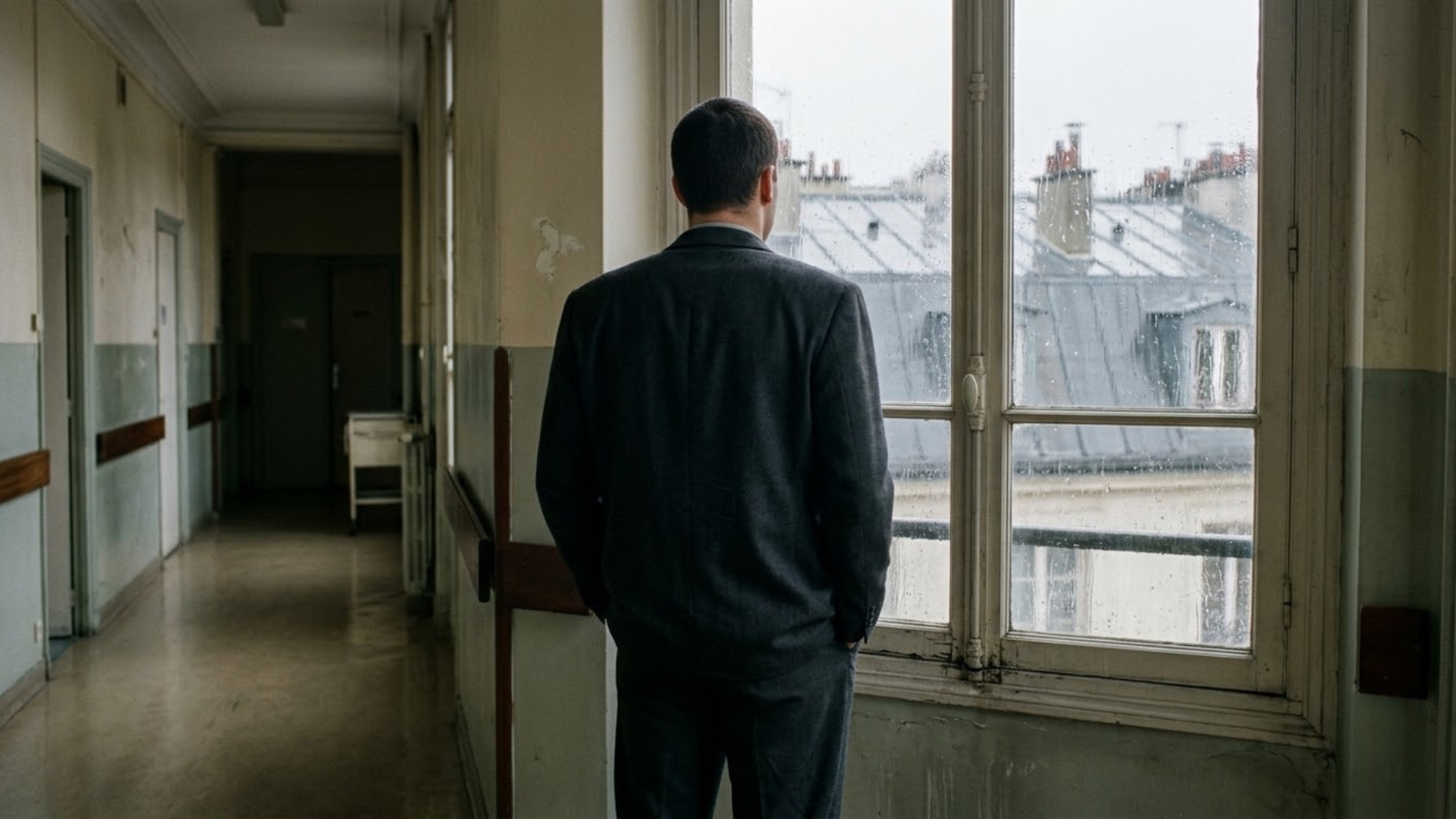
Trevor Rees-Jones grew up in Shropshire, in the west of England. He served in the British Army with the Parachute Regiment before moving into private security work. By 1997, he was part of the protection team working for the Fayed family.
That summer, his job was to protect Dodi Fayed, the son of the Harrods owner Mohamed Al Fayed. Dodi had begun a relationship with Diana, Princess of Wales, and the couple were followed everywhere by photographers.
On the night of 30 August 1997, Rees-Jones was in the front passenger seat of the Mercedes that left the Ritz Hotel in Paris. Shortly after midnight, the car crashed in the Pont de l’Alma tunnel. Dodi and the driver, Henri Paul, died at the scene. Diana died in hospital a few hours later.
Rees-Jones was the only person in the car to survive. His injuries were extremely serious, especially to his face. Surgeons carried out long and complex operations to rebuild it, reportedly using many small pieces of metal to hold the bones together.
When he was well enough to speak, investigators and journalists were desperate to hear from him. He was the only living witness from inside the car. But he said he had little or no memory of the crash itself. Only small fragments came back, and he could never be sure how reliable they were.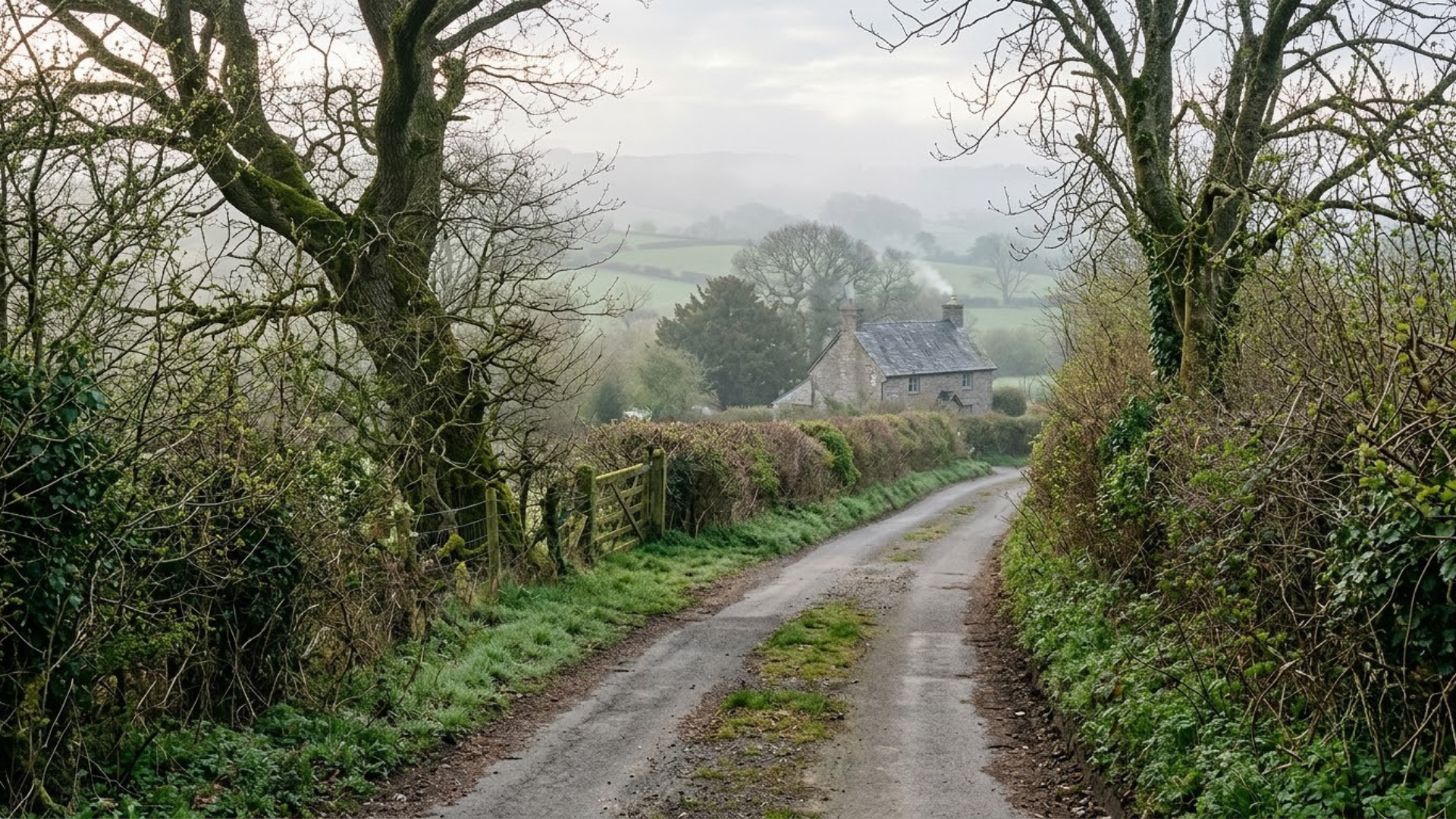
He returned home to Shropshire to recover. At first he went back to work for Mohamed Al Fayed, but the arrangement did not last. He left Al Fayed’s employment, and the two men later found themselves on opposite sides of the argument about what had happened that night.
Al Fayed believed the crash was not an accident, and he was openly critical of his former employee. Rees-Jones did not back those theories. He said he simply did not remember enough to give the answers people wanted.
In 2000, he published his own account, The Bodyguard’s Story, written with the author Moira Johnston. In it, he described his work, his long recovery and his feelings about the events. Al Fayed criticised the book, and its publication deepened the divide between them.
Years later, he gave evidence at the official inquest in London, which reached its verdict in 2008. Again, he said his memory of the crash had never fully returned.
After the crash, Rees-Jones chose a quiet life away from the spotlight. He reportedly returned to security work and rarely spoke in public about that night.
For many people, he remains one of the saddest figures in the whole story. He was the man whose job was to keep everyone safe, and he survived when the others did not. And the one witness who might have explained everything was left with a gap where the memory should be.