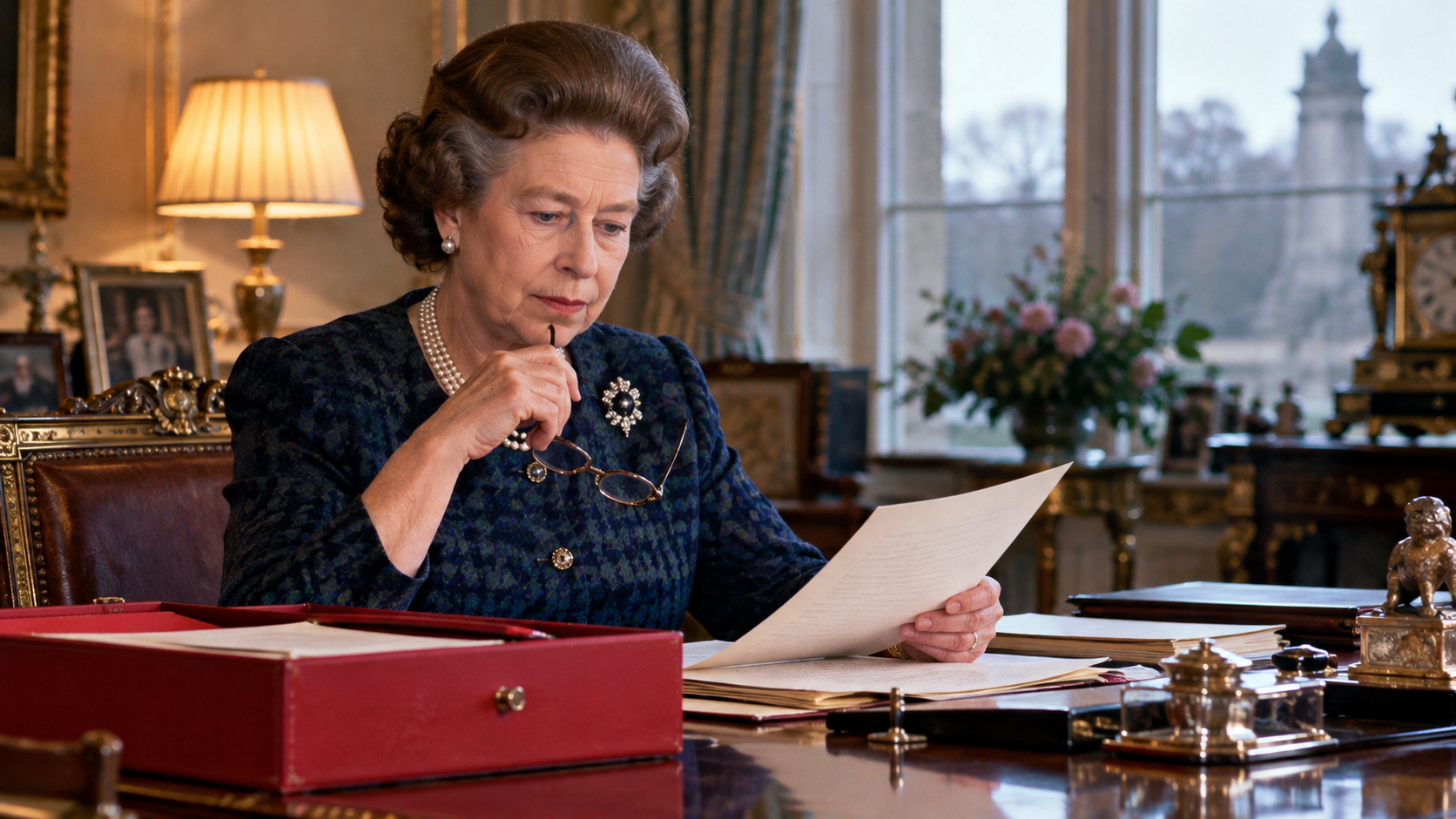
For much of the twentieth century, the British monarch did not pay income tax. The Queen’s private wealth was the subject of endless guessing, and many people believed she was one of the richest women in the world.
For years, critics had asked why the head of state should be exempt when ordinary families had to pay. But change only came in 1992, the year the Queen herself would call her annus horribilis.
That year, the marriages of three of her children broke down. Then, on 20 November, fire swept through Windsor Castle. When a government minister suggested the taxpayer would pay for the repairs, there was a wave of public anger.
Just days later, on 26 November 1992, Prime Minister John Major told the House of Commons that the Queen would start paying income tax and capital gains tax on her private income. Reports said discussions had begun before the fire, but the timing made it look like a response to the crisis.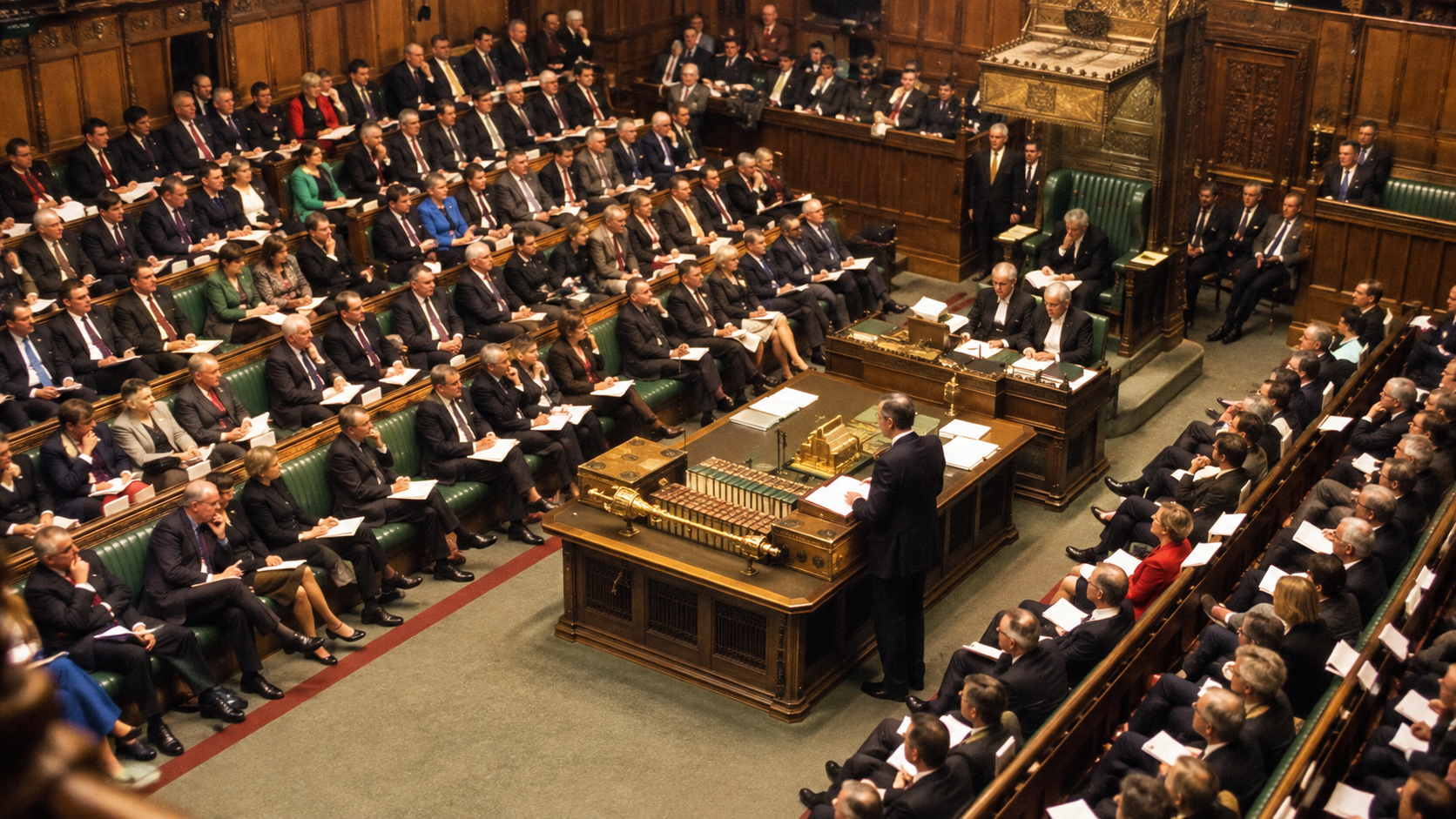
The Queen also agreed to pay for most other members of her family herself. Only she, Prince Philip and the Queen Mother would continue to receive money directly from the Civil List.
The new arrangement began in 1993. It was set out in a document called a memorandum of understanding. Crucially, it was voluntary. The law did not force the monarch to pay tax; the Queen chose to.
Prince Charles also agreed to pay tax on his income from the Duchy of Cornwall. In the same period, Buckingham Palace opened its doors to paying visitors in the summer for the first time, to help fund the Windsor repairs.
How much the Queen actually paid each year was never made public. Critics said that made it hard to judge whether the deal was fair. Supporters said she had given up a privilege that no law required her to give up.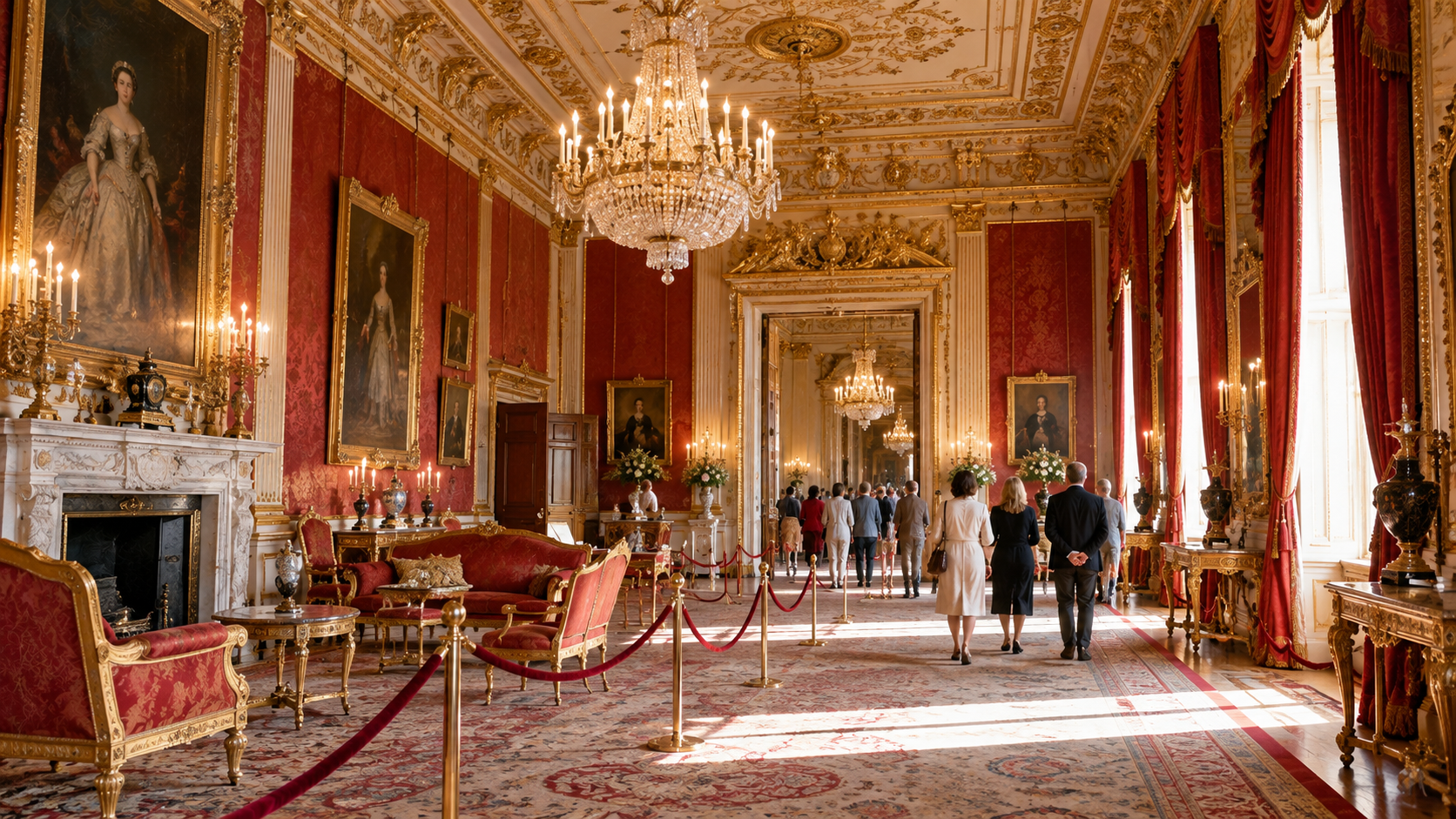
The voluntary arrangement continued for the rest of her reign and was carried on by King Charles III.
Looking back, many historians see the tax decision as a turning point. In the worst year of her reign, the Queen showed that the monarchy could change when the public demanded it.