**On September 6, 1997, as the world gathered to mourn Princess Diana, her younger brother, Charles Spencer, delivered a eulogy that went far beyond a traditional funeral tribute. His words reflected a family’s heartbreak, a nation’s grief and a promise to protect Diana’s two young sons. Nearly three decades later, the speech remains one of the most memorable moments in modern British royal history.**
A Funeral That Brought the World to a Standstill
The death of Diana, Princess of Wales, on August 31, 1997, sent shockwaves around the world. At just 36 years old, Diana died following a car crash in Paris, leaving behind her sons, Prince William and Prince Harry, and millions of admirers who had followed her life with extraordinary affection.
In the days that followed, flowers filled the streets outside Kensington Palace and other royal residences. People travelled to London to pay their respects, while television audiences around the world watched the unfolding events with disbelief.
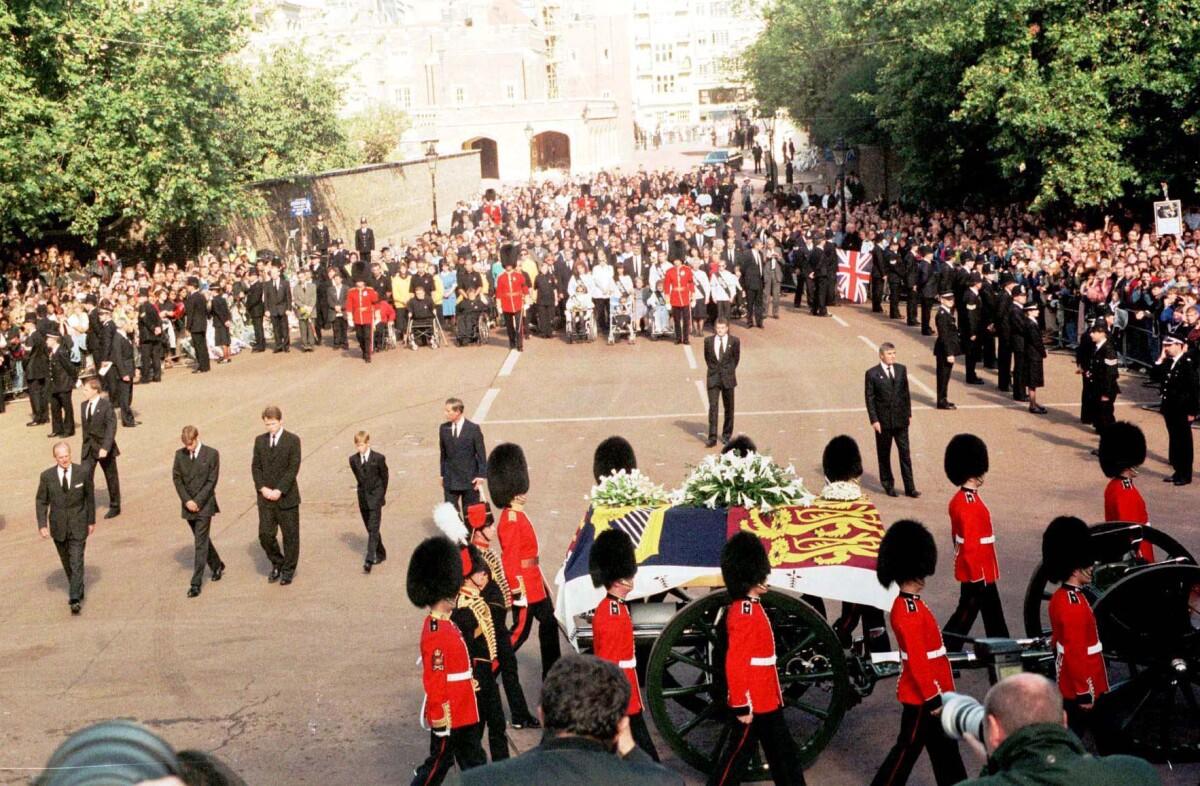
On September 6, Westminster Abbey became the setting for Diana’s funeral. Members of the Royal Family, world leaders, celebrities and friends gathered to say goodbye to a woman whose influence had extended far beyond her official royal duties.
Yet among the many emotional moments of that day, it was the address delivered by Diana’s brother, Charles Spencer, that became particularly significant.
Unlike a formal statement issued by an institution, his speech carried the perspective of someone who had known Diana long before she became one of the most famous women in the world.
He was not simply speaking about a princess. He was speaking about his sister.
Charles Spencer’s Powerful Opening Words

Charles Spencer began by acknowledging the extraordinary scale of the tragedy and the grief felt by people across Britain and around the world.
He described himself as representing a grieving family, a mourning country and a shocked world. His opening immediately captured the unusual nature of Diana’s funeral: the loss was intensely personal for her relatives, but it was also being felt by millions of people who had never met her.
That contrast became central to the speech.
Diana had occupied a unique position in public life. Although she had been born into an aristocratic family and married into the British Royal Family, many people felt a personal connection to her.
They had watched her grow from a shy young woman into an internationally recognised figure who spoke openly about emotional struggles, worked with charities and brought attention to people facing difficult circumstances.
Spencer’s words acknowledged that connection without dismissing the private grief of the family standing before the congregation.
His opening established the tone for everything that followed: this was a farewell to a woman whose importance could not be measured by her title alone.
Why His Tribute Went Beyond Royal Protocol
One of the most discussed aspects of Spencer’s eulogy was its candid tone.
He praised Diana’s compassion, beauty, sense of duty and ability to connect with people from different backgrounds. He also emphasised that her influence had continued even as her relationship with the institution of the monarchy changed.
Spencer made a particularly striking point when he observed that Diana no longer needed a royal title to retain her extraordinary appeal.
The remark carried considerable weight. Diana and Charles, then Prince of Wales, had divorced in 1996, and her public identity had continued to evolve after the end of their marriage.
Although she was no longer HRH The Princess of Wales, she remained one of the world’s most recognisable and admired women.
To her supporters, Diana’s influence came from something more personal than royal status. Her public work, emotional openness and willingness to engage with people who were often overlooked helped shape her enduring reputation.
Spencer’s tribute reflected that distinction. He presented his sister as a person whose value was rooted in her character and actions rather than the institution she had married into.
It was a powerful message at a funeral where royal tradition and personal sorrow existed side by side.
The Words That Were Widely Interpreted as a Message to the Palace
The speech was not an explicit accusation against every member of the Royal Family. However, several passages were widely interpreted as criticism of the pressures Diana had experienced during her life in the royal spotlight.
Spencer spoke about the treatment Diana had received from sections of the media and the challenges she had faced while trying to live according to her own principles.
His language was unusually direct for such a high-profile royal occasion.
He also referred to Diana’s natural nobility and her ability to transcend social boundaries. The contrast between her public warmth and the restrictions associated with royal life gave the address an unmistakably personal edge.
For many listeners, the significance lay as much in what Spencer chose to emphasise as in what he left unsaid.
Rather than presenting Diana solely as a royal figure who had fulfilled her public responsibilities, he remembered her as an individual who had struggled, evolved and sought a life that reflected her own values.
The result was a eulogy that felt both affectionate and defiant.
It is important, however, to distinguish between the words Spencer actually delivered and the interpretations that followed. His speech expressed his perspective as Diana’s brother; the broader conclusions about palace relationships were drawn by commentators and members of the public.
His Most Personal Promise Was to William and Harry

Perhaps the most moving part of the address came when Spencer turned his attention to Diana’s sons.
Prince William was 15 years old, while Prince Harry was just 12. Both boys had lost their mother suddenly and were facing an intensely public bereavement.
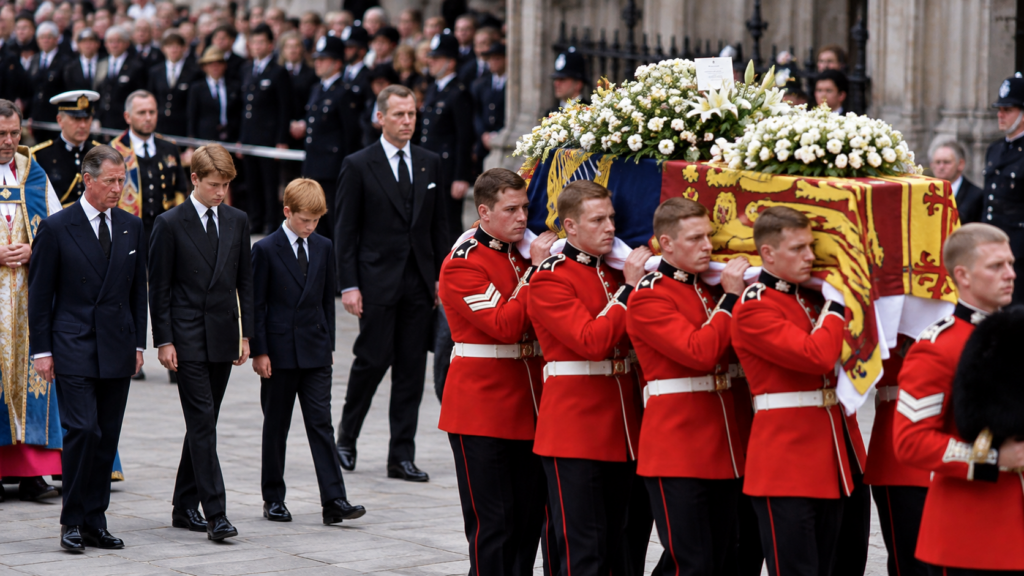
The image of the young princes walking behind Diana’s coffin through the streets of London became one of the most enduring photographs of the funeral.
For millions of viewers, it represented the painful collision between childhood grief and royal duty.
Spencer recognised that his sister’s greatest concern had always been her children. He promised that Diana’s family would do everything possible to continue raising William and Harry with love and imagination.
He expressed the hope that their lives would not be defined entirely by duty and tradition, but that they would also be allowed to develop emotionally and experience the wider world.
The message was carefully balanced. Spencer acknowledged the heritage into which the boys had been born and expressed respect for their future royal roles. At the same time, he stressed the importance of giving them the freedom and support they needed to grow as individuals.
This was more than a ceremonial promise. It was a brother’s commitment to his sister at the moment of saying goodbye.
The passage remains especially poignant because William and Harry would grow up under extraordinary public scrutiny, with their mother’s memory continuing to shape their lives.
Why the Speech Created Such a Strong Reaction
The response to Spencer’s address demonstrated just how emotionally charged the atmosphere had become following Diana’s death.
Britain had spent days in public mourning. The crowds outside royal residences, the enormous displays of flowers and the intense media coverage all reflected a level of public grief that surprised many observers.
The Royal Family was also facing questions about how it had responded to the tragedy and how best to acknowledge the public’s sorrow.
Against that backdrop, Spencer’s speech offered something different from a conventional royal statement. It was personal, direct and willing to acknowledge the difficult aspects of Diana’s experience.
Contemporary reporting described the powerful reaction to the address, including applause that could be heard from the crowds outside Westminster Abbey.
The speech resonated because it seemed to give voice to feelings that many mourners struggled to express themselves.
People were not only grieving the loss of a famous figure. Many were remembering a woman whose public life had included visible vulnerability, charitable work and an ability to make people feel seen.
Spencer’s words brought those elements together while reminding the audience that the woman they admired was also a sister and a mother.
Diana’s Legacy Beyond Her Royal Title

Diana’s relationship with the monarchy was complicated, and her life cannot be reduced to a simple story of an individual against an institution.
She was a member of the Royal Family who undertook official engagements, supported charitable causes and helped bring global attention to issues that were not always comfortable subjects for public discussion.
Her work with people affected by HIV/AIDS challenged stigma at a time when misunderstanding and fear were widespread. Her involvement in the campaign against landmines also helped bring international attention to the devastating effects of these weapons on civilians.
These activities contributed to her image as a royal figure who could connect with people beyond the traditional boundaries of ceremony and protocol.
Spencer’s funeral address drew on that public identity while insisting that Diana’s humanity mattered just as much as her fame.
That is one reason the speech continues to attract attention. It speaks to a broader question about public figures: how should they be remembered when their private struggles are inseparable from their public lives?
For Diana, the answer offered by her brother was rooted in compassion, individuality and the enduring importance of family.
## Why People Still Remember Charles Spencer’s Eulogy
The passage of time has not erased the emotional power of Diana’s funeral. For those who watched it live, the ceremony remains associated with a profound sense of loss. For younger generations, photographs and recordings have become a way of understanding why Diana continues to occupy such a prominent place in British popular memory.
Charles Spencer’s eulogy is an essential part of that history.
It captured the sorrow of a brother, recognised the affection of millions and made a solemn commitment to two children who had lost their mother.
Its significance also lies in the questions it raised about fame, privacy, royal responsibility and the difference between public duty and personal identity.
Over the years, Spencer has spoken about his memories of Diana and the circumstances surrounding her death. His reflections have continued to draw interest because the story of the Princess of Wales remains emotionally powerful and historically significant.
Nevertheless, the lasting importance of the funeral speech does not depend on every later interpretation of royal tensions being accepted as fact. The words themselves offer a clear and moving record of how her brother wished her to be remembered.
A Farewell That Became Part of Royal History
On September 6, 1997, Charles Spencer stood before a global audience to honour a sister whose life had been lived under extraordinary scrutiny.
He spoke about Diana’s compassion, her independence, her public influence and, above all, her role as a mother. His address challenged the idea that royal status alone could define her legacy and placed the emotional needs of her sons at the centre of his farewell.
The speech became one of the defining moments of the funeral because it connected the personal and the historic. Behind the cameras, the crowds and the royal ceremony was a family saying goodbye to someone they loved.
More than anything else, Spencer’s message was that Diana should be remembered as a complete human being: not simply a princess, not merely a global celebrity, but a woman whose life had touched people in ways that titles could never fully explain.
Nearly three decades later, the eulogy remains a reminder of the extraordinary bond between Diana and the public—and of the brother who stood before the world to tell her story in his own words.
**What do you remember most about Princess Diana’s funeral: the emotional procession, the tribute from Charles Spencer, or the promise he made to William and Harry?** Her story continues to inspire discussion about family, duty and the lasting power of compassion.