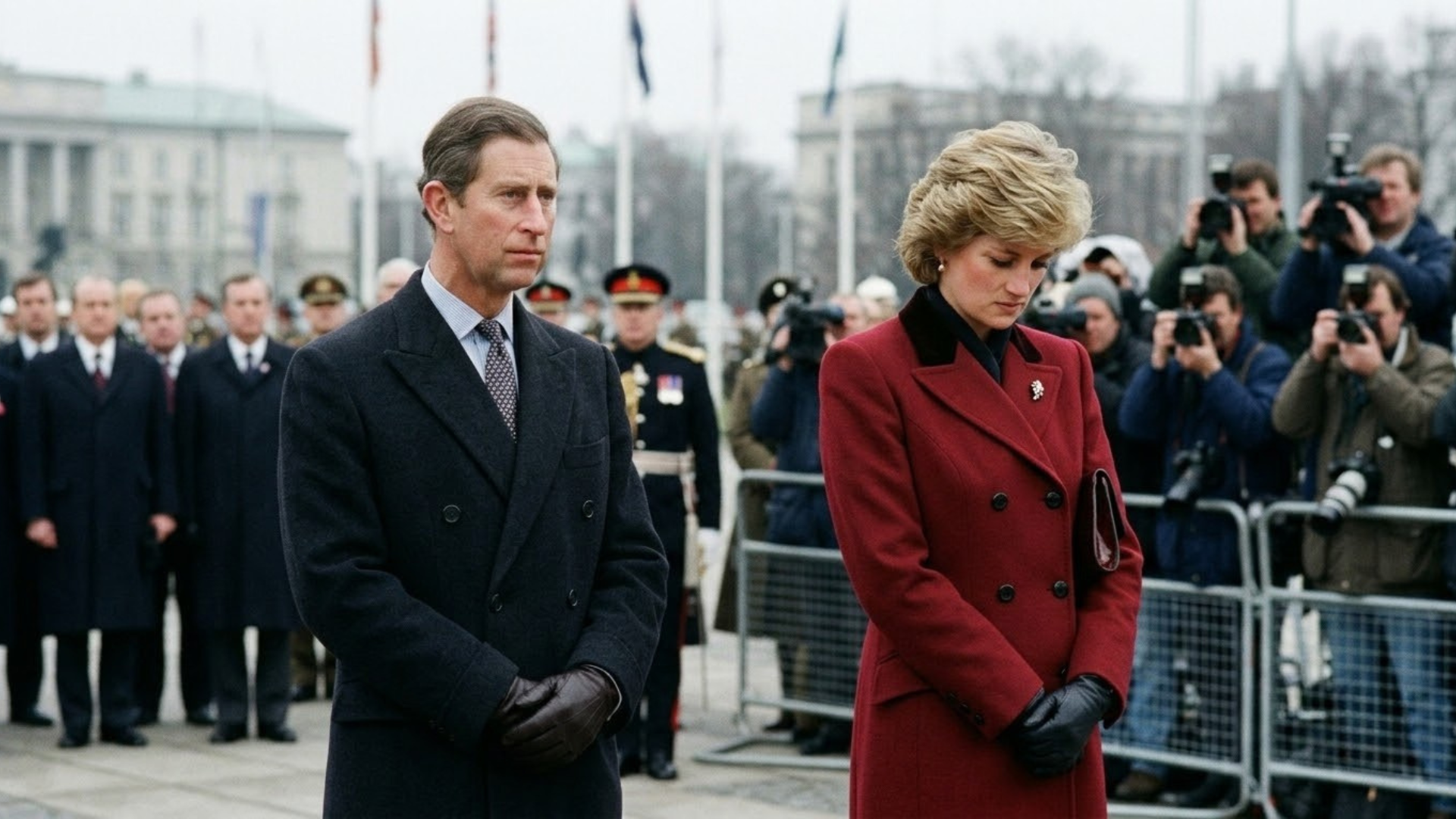
By the end of 1992, few people still believed in the fairy tale. In February, Diana had been photographed alone at the Taj Mahal. In June, Andrew Morton’s book exposed the unhappiness inside the marriage. In August, the Squidgygate tape was published.
In November, Charles and Diana made an official visit to South Korea. They looked so miserable together that the tabloids nicknamed them The Glums. Days later, fire swept through Windsor Castle, and the Queen famously described 1992 as her annus horribilis, a horrible year.
On 9 December 1992, the Prime Minister, John Major, rose in the House of Commons. He told MPs that it had been announced from Buckingham Palace that, with regret, the Prince and Princess of Wales had decided to separate.
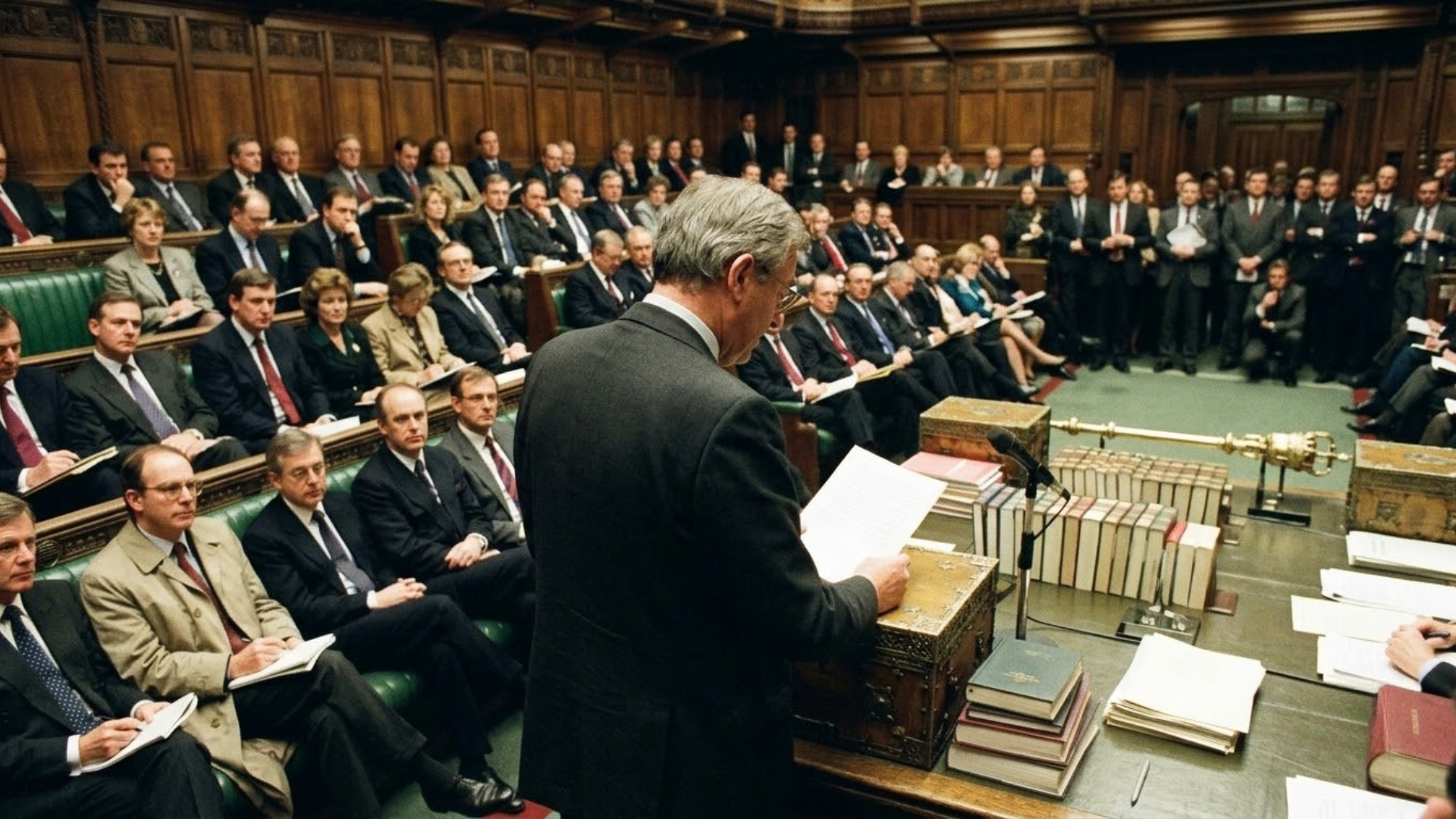
The statement said the couple had no plans to divorce and that their constitutional positions were unaffected. Their children, Prince William and Prince Harry, would continue to be brought up by both parents.
Then came the line that surprised many listeners. Major said there was no reason why the Princess of Wales should not be crowned Queen in due course. To many people, the idea of a separated couple being crowned together seemed hard to believe.
From that day, Charles and Diana lived separate lives. Charles was based at Highgrove and St James’s Palace. Diana remained at Kensington Palace with her own office and her own public life.
The years that followed only widened the gap. In 1994, Charles admitted on television that he had been unfaithful once the marriage had broken down. In 1995, Diana gave her famous Panorama interview. Soon after, the Queen wrote to both of them, urging them to divorce.
The divorce was finalised on 28 August 1996, less than four years after the announcement. Diana lost the title Her Royal Highness. She was never crowned Queen.
One year later, she died in Paris. The sentence read out in Parliament in 1992 remains one of the most striking reminders of how quickly a royal fairy tale fell apart.