By the summer of 1994, Charles and Diana had been separated for about eighteen months. Both sides knew that public opinion mattered, and both were trying to tell their own version of the story.
Charles had worked with the broadcaster Jonathan Dimbleby on a major documentary, Charles: The Private Man, the Public Role. It was broadcast on ITV on 29 June 1994. During the interview, Dimbleby asked whether he had been faithful to his wife. Charles replied that he had, until the marriage became irretrievably broken down, with both of them having tried.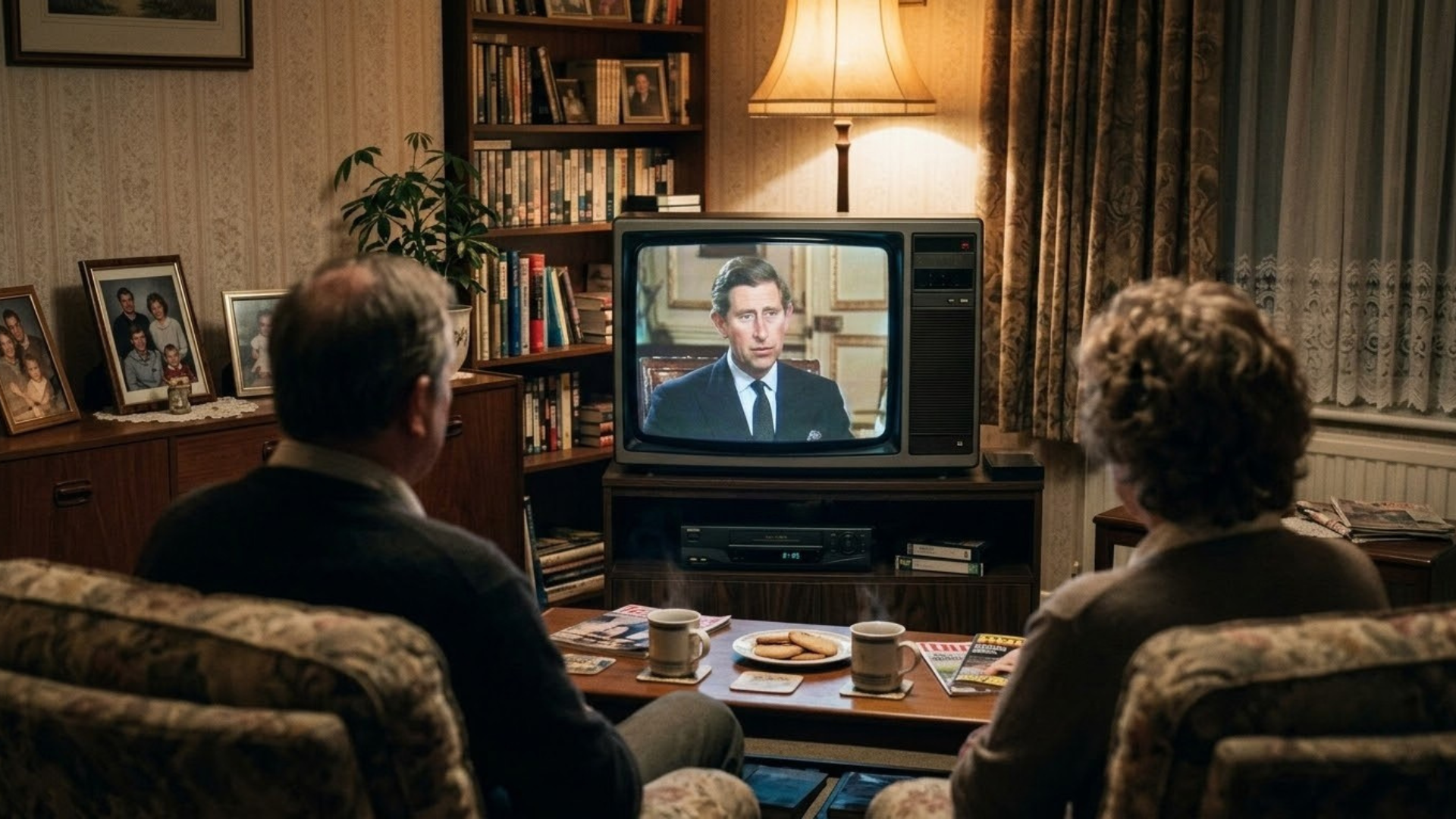
Millions watched. The palace braced for the next day’s headlines, and everyone expected the confession to dominate them.
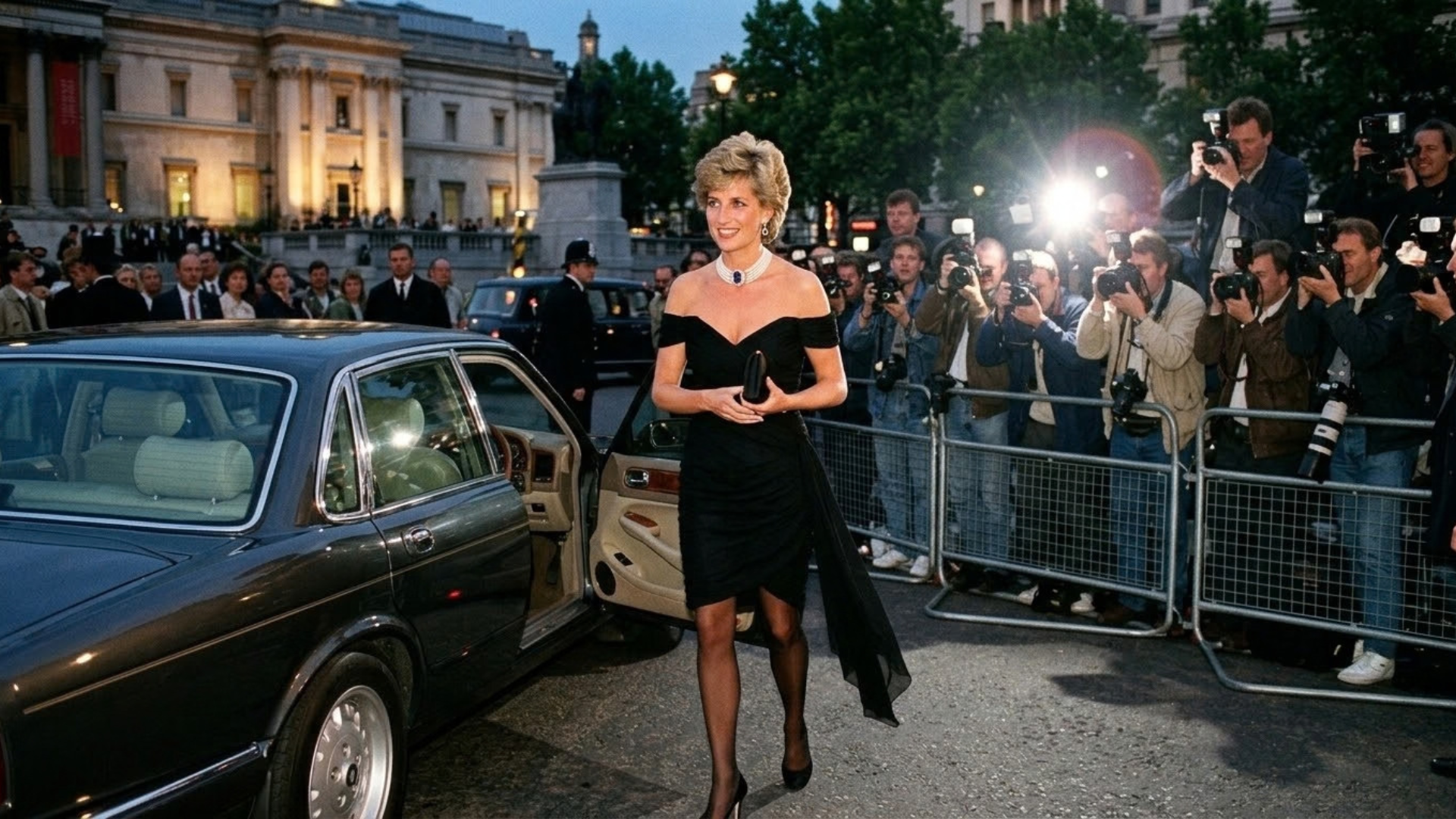
That same evening, Diana was due at a Vanity Fair summer party at the Serpentine Gallery in Hyde Park. She chose a fitted, off-the-shoulder black silk dress by the Greek designer Christina Stambolian. She had reportedly owned it for around three years but had thought it too daring to wear. She paired it with a pearl choker set with a large sapphire.
As she stepped out of her car, smiling, the photographers went wild. The next morning, her picture was splashed across the front pages, sitting beside the coverage of Charles’s admission and often overshadowing it. The press quickly gave the outfit a name: the revenge dress.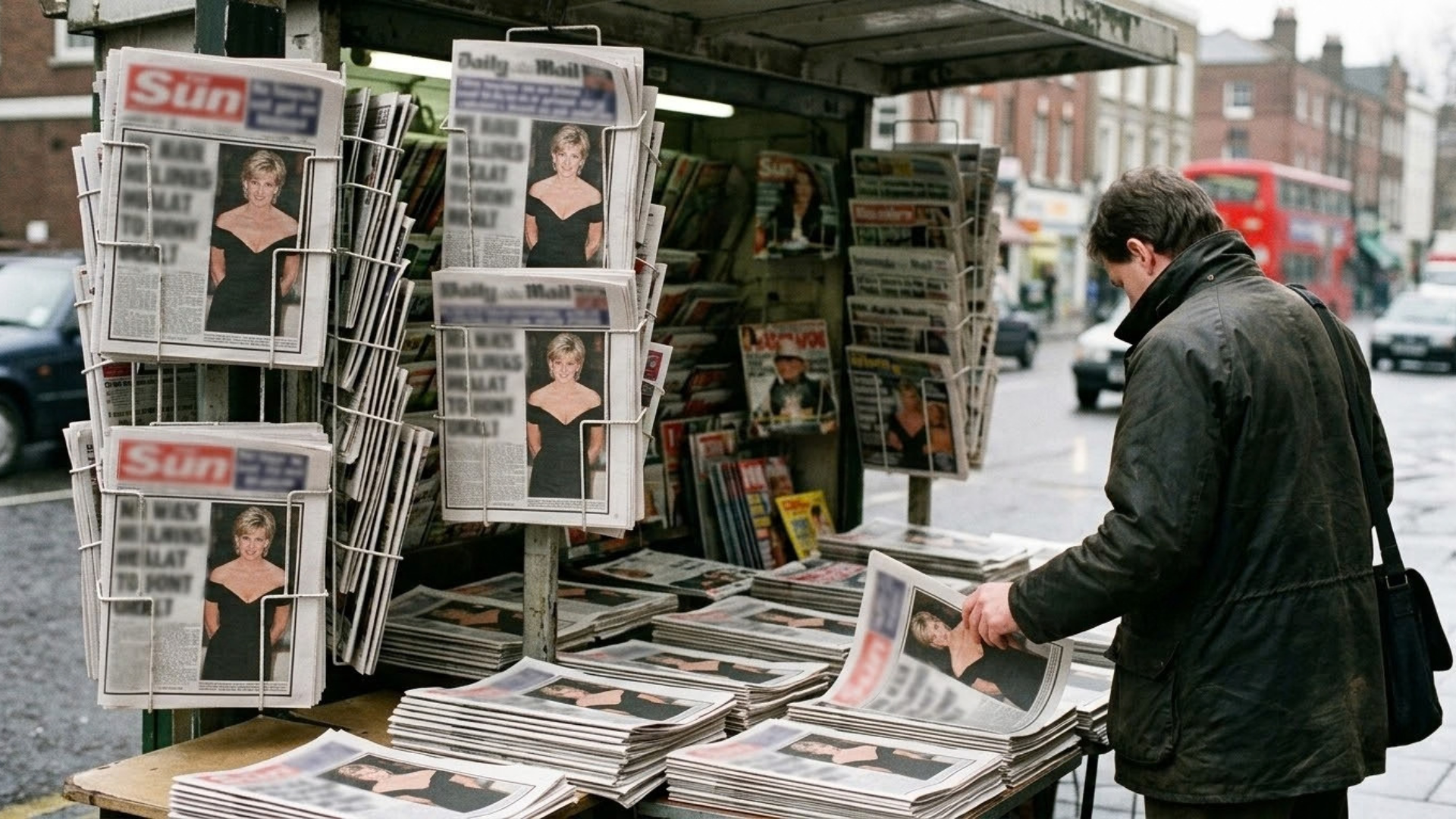
Diana never publicly explained her choice. But to many people, the message seemed clear. She was not going to hide, and she was not going to look defeated.
Fashion experts later pointed out how carefully the look worked: short, confident and modern, with nothing about it that suggested a royal wife waiting quietly at home.
The dress became one of the most famous fashion moments of the century. Decades later, it was recreated for the television drama The Crown, and it is still copied by designers and fans. Two years after that night, Charles and Diana’s divorce was finalised.